Top Landscaping Services in Parker, SC, 29611 | Compare & Call
There are 202 landscaping companies server in Parker SC
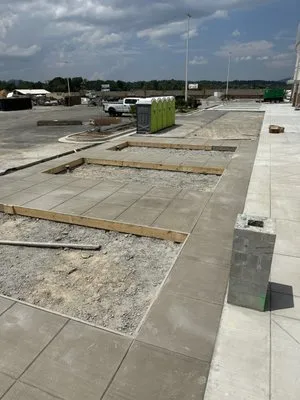
Morales Landscaping & Concrete is a Greenville-based company dedicated to solving common local landscaping and drainage problems. Many homeowners in the area face issues like malfunctioning irrigation...

AAA Bobcat & Landscaping Services
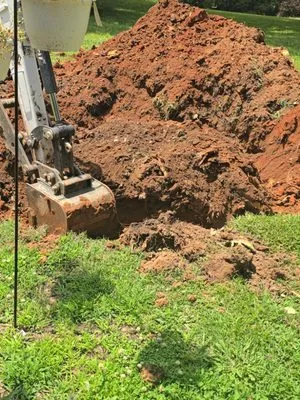
AAA Bobcat & Landscaping Services is a licensed and bonded excavation and landscaping company serving Spartanburg, SC, and the greater Upstate area. We specialize in providing a comprehensive range of...
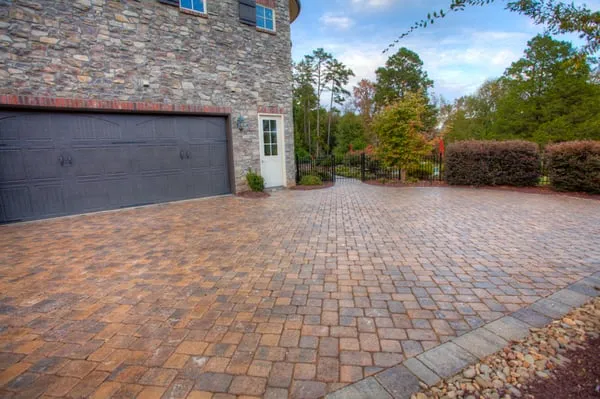
Hardscapes Unlimited is a Greenville-based hardscape installation company with ICPI certification and over 10 years of experience since 2008. We specialize in creating functional outdoor spaces using ...
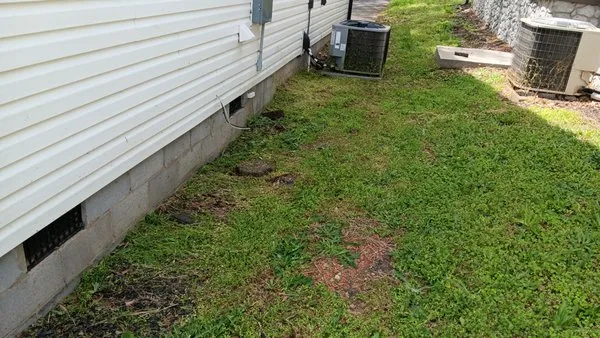
David's Lawn Mowing is your trusted, local lawn care expert serving Spartanburg, SC. We understand the common challenges Upstate homeowners face, like unsightly lawn damage from tree roots and soil co...
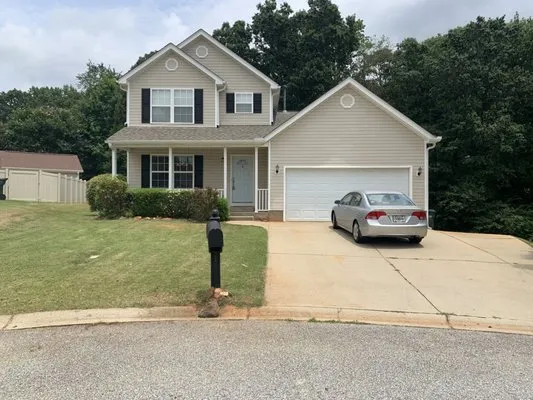
LawnBros Services is a trusted, locally-owned lawn and window care provider in Greenville, SC. Born from a deep-seated commitment to service, our work is guided by principles of integrity and wholehea...
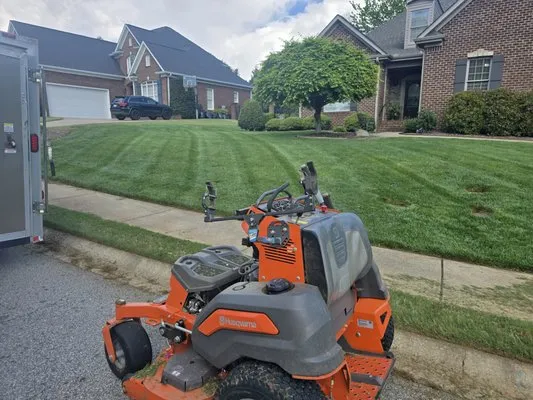
John Sammons Lawncare is a family-owned and operated business serving Wellford, SC, and the surrounding communities. We believe in building lasting relationships with our neighbors, which is why when ...
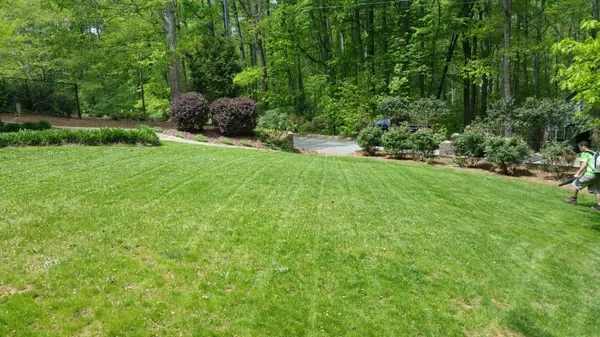
Palmetto Lawn and Landscape is a dedicated Greenville, SC, company specializing in transforming outdoor spaces for local homeowners. We understand that soil compaction and overgrown shrubs are common ...
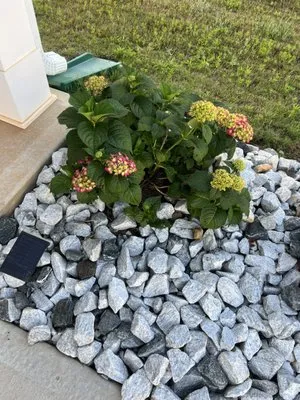
JMR Services is a Greenville-based irrigation and landscaping company with over 7 years of hands-on experience serving both residential and commercial properties in our community. Our skilled team spe...
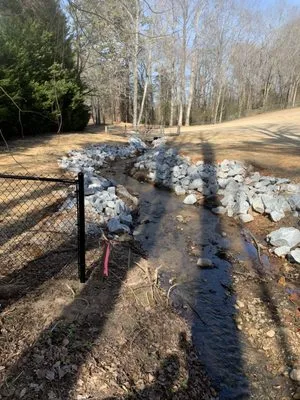
Hobart Solutions is a Greenville-based company providing comprehensive property care and restoration for both residential and commercial clients. We handle a wide range of needs, from commercial and r...
KDL Yard & Property Maintenance in Greer, SC, is a full-service property care specialist dedicated to creating and maintaining healthy, beautiful outdoor spaces. We help local homeowners tackle common...
Estimated Landscaping Service Costs in Parker, SC
Q&A
Do I need a permit to regrade and re-sod my 0.35-acre lot?
Yes, significant grading that alters water flow or involves cut/fill exceeding 18 inches typically requires a permit from Greenville County Planning & Development. For this scope of work, ensure your contractor holds appropriate licensing through the South Carolina Department of Labor, Licensing and Regulation. This protects you by verifying they carry insurance and understand state BMPs for erosion control, which is crucial for projects near property lines or drainage easements on standard Parker lots.
My yard holds water for days after rain. What's a long-term solution?
Seasonal saturation is a direct result of the high clay content in our Cecil soil, which drastically reduces permeability. Installing a French drain system tied to a dry well addresses subsurface water, while regrading key areas promotes positive surface flow. For any new patios or walkways, specify permeable concrete pavers; their design allows stormwater to infiltrate locally, often meeting Greenville County Planning & Development standards for on-site runoff management without requiring a complex detention basin.
How quickly can you respond for an emergency tree cleanup after a storm?
For urgent HOA compliance or safety issues, our electric fleet mobilizes from our staging area near Parker High School Stadium. Using US-25, we can typically reach most Parker Historic District properties within the 25-35 minute peak response window. This routing avoids major congestion points while adhering to the standard 7:00 AM to 9:00 PM operational noise ordinance. We prioritize these calls to secure properties and mitigate further landscape damage from downed limbs.
Are permeable pavers a good choice for a new patio here?
Permeable concrete pavers offer superior longevity and functionality compared to wood or solid concrete. Their interlocking system handles freeze-thaw cycles well in Zone 8a and actively mitigates the site's drainage hazard by allowing water infiltration. For properties in Moderate (WUI Zone 2) fire-risk areas, they provide a non-combustible, defensible space material that meets compliance standards without sacrificing aesthetics or permeability.
I see a vine taking over my shrubs. How should I handle it?
The likely invader is English Ivy or Japanese Honeysuckle, both aggressive in Parker. Manual removal of vines from trees and structures is the first critical step. For persistent regrowth, a targeted, systemic herbicide applied in late fall minimizes drift and protects nearby desirable plants. Always verify the product label for phosphorus content, as applications near waterways must comply with state BMP guidelines to prevent nutrient runoff into the watershed.
How can I keep my Tall Fescue healthy under Stage 1 water conservation rules?
Wi-Fi ET-based weather-sensing irrigation is the precise tool for voluntary conservation. This system automatically adjusts runtimes by using local evapotranspiration data, applying water only when the turfgrass needs it. For Zone 8a, this typically means deeper, less frequent watering cycles that encourage profound root development in Cecil sandy loam. This method can reduce potable water use by 20-30% while maintaining turf health, keeping you well within municipal guidelines.
Why does the soil in my Parker Historic District yard seem so dense and tired?
Residential soils in this area, developed around 1971, are now 55 years mature and exhibit classic compaction from decades of foot traffic and standard maintenance. The underlying Cecil Sandy Loam is naturally acidic but becomes impermeable when compacted, limiting root growth and water infiltration. Core aeration in early spring or fall, followed by top-dressing with compost, introduces oxygen and organic matter to rebuild soil structure. This directly addresses the pH 5.5-6.0 profile and seasonal saturation issues common in these older lots.
What are some lower-maintenance alternatives to my traditional lawn?
Transitioning perimeter zones to a xeriscape of native plants like American Beautyberry, Eastern Redbud, and Switchgrass significantly reduces water, mowing, and chemical inputs. These deep-rooted species are adapted to our acidic soil and local climate, providing superior habitat and seasonal interest. This shift also future-proofs your property against evolving noise ordinances that restrict gas-powered blowers and mowers, as native beds require minimal, quieter, electric maintenance.
