Top Landscaping Services in Pageland, SC, 29728 | Compare & Call
There are 48 landscaping companies server in Pageland SC

Express Pine Needles & Landscaping is a locally-owned and operated business in Pageland, SC, dedicated to helping homeowners maintain beautiful, hassle-free yards. We understand the common local chall...
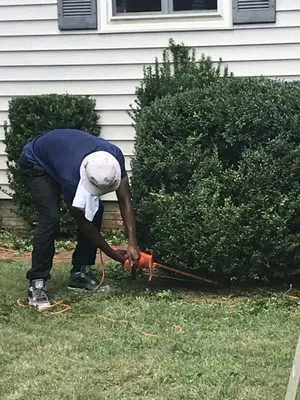
Top Notch Techs Servicemasters LLC is a family-owned business that has been serving Pageland and the surrounding communities since 1999. Founded on the principles of quality and integrity, we build ou...
Derrick's Landscaping and Pine Needles is a bonded and insured contractor proudly serving Pageland and the surrounding communities. Founded in 2018 and built on over a decade of collective experience,...
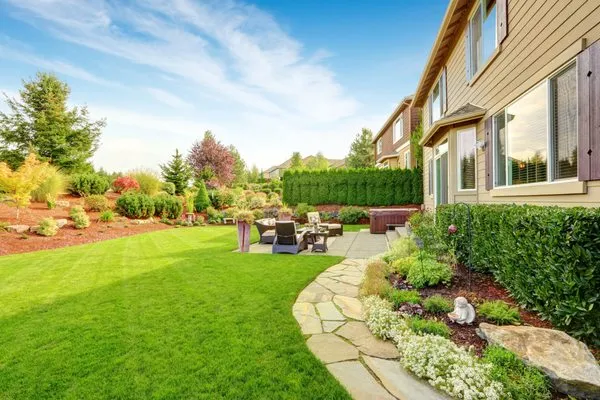
Chambers Pine Needles is a dedicated landscaping and tree service company serving Pageland, SC, and the surrounding communities. We focus on providing reliable shrub and tree care, including maintenan...
Giron Landscaping Service is a full-service landscaping company based in Pageland, SC, dedicated to enhancing and protecting the beauty and function of your outdoor spaces. We specialize in a comprehe...

E&S Landscaping and Lawn Care is a trusted, locally-owned landscaping company serving Pageland, SC, and the surrounding areas. We specialize in comprehensive lawn care and landscape solutions tailored...
Dunlaps Pine Needles is a Pageland, SC-based landscaping and tree care provider serving local homeowners. We specialize in landscape maintenance and tree services, offering practical solutions to comm...
Miller's Lawn Care in Pageland, SC, provides reliable, thorough lawn care services for local homeowners. We focus on doing the job right the first time, delivering consistent, high-quality results tha...
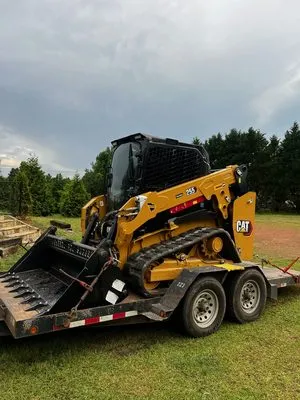
Country Boy Grading is your trusted local partner in Pageland, SC, for landscaping, masonry, and tree services. We understand the common challenges Pageland homeowners face, like dead lawn patches and...
RMJ LAWNCARE & SERVICES provides dedicated lawn care for Pageland, SC, and the surrounding area. We understand the common local challenges homeowners face, including dying shrubs and persistent lawn i...
Estimated Landscaping Service Costs in Pageland, SC
Common Questions
Is there a lower-maintenance alternative to my weekly-mowed lawn?
Transitioning high-input turf areas to a xeriscape with native plants like American Beautyberry, Eastern Redbud, Joe-Pye Weed, and Switchgrass drastically reduces maintenance. These adapted species require minimal watering, no weekly mowing, and support local biodiversity. This shift also future-proofs your landscape against evolving noise ordinances that may restrict gas-powered blowers and mowers, creating a resilient, ecologically functional space.
My yard stays soggy for days after rain. What's a permanent solution?
Seasonal saturation is typical for Ultisols with moderate runoff. A graded French drain system, directing water away from foundations, addresses the core issue. For patios or walkways, specifying clay brick pavers installed with permeable jointing sand increases surface infiltration. This approach meets Chesterfield County Planning & Zoning Department runoff standards by managing water on-site, reducing erosion and mitigating the common drainage hazard in local sandy loam soils.
What permits and credentials should I verify before hiring for a major grading project?
Any significant grading or earthwork on a 0.35-acre lot requires a licensed professional. Verify an active license with the South Carolina Contractors' Licensing Board. The contractor must also file a land disturbance permit with the Chesterfield County Planning & Zoning Department, ensuring the plan controls erosion and manages stormwater. Using an unlicensed entity for this scale of work risks code violations, improper drainage, and potential liability for property damage.
Are clay brick pavers a better choice than wood for a new patio?
For longevity and reduced maintenance, clay brick pavers are superior. They are non-combustible, which contributes directly to a higher Firewise USA site assessment rating by creating defensible space. Unlike wood, they do not rot, warp, or require chemical treatments. Their inherent durability and permeability, when installed correctly, offer a permanent, low-risk hardscape solution well-suited to the local climate and moderate fire risk rating.
Can I keep my lawn green during the summer without violating water restrictions?
Yes, using smart Wi-Fi ET-based controllers is the definitive method. These systems adjust watering schedules daily based on local evapotranspiration data, applying precise amounts only when needed. For Centipede or TifTuf Bermuda grass, this technology prevents overwatering during Stage 1 voluntary conservation, promoting deeper root growth. Properly calibrated, it maintains turf health while conserving significant municipal water, aligning with long-term resource management goals.
How quickly can you respond for an emergency cleanup after a major storm?
For urgent HOA compliance or storm debris removal, our electric fleet dispatch from the Pageland Community Center prioritizes US Highway 601 for primary access. This routing allows a reliable 20-30 minute arrival during peak response windows. We coordinate with county services to clear roads and property access, ensuring efficient debris management while adhering to standard noise ordinance quiet hours for any necessary after-hours work.
Why does my soil seem so hard and compacted compared to my neighbor's new construction?
Homes built around 1975, common in Downtown Pageland, are on soil with over 50 years of development. The prevalent Ultisols, a sandy loam, naturally leach nutrients and become dense and acidic (pH 5.5-6.0). This aging process reduces permeability and hinders root growth. Core aeration in early fall, followed by top-dressing with compost, is critical to rebuild soil structure and increase organic matter for long-term health.
What should I do about the invasive vines taking over my shrubs?
Common invasive species like Japanese honeysuckle or kudzu require precise treatment. Manual removal of roots is first, followed by targeted, labeled herbicide application to cut stems if necessary. Crucially, this must be scheduled outside the state BMP guideline blackout dates, which prohibit application during heavy rainfall to prevent runoff. A consistent monitoring and management plan over multiple seasons is required for effective, ecologically responsible control.
