Top Landscaping Services in North Charleston, SC, 29404 | Compare & Call

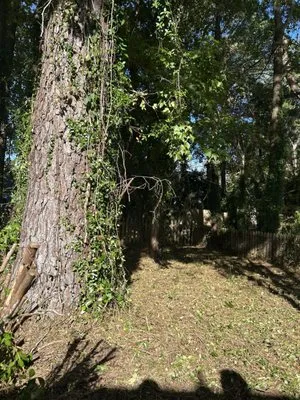
Salinas Landscaping is a full-service landscape company serving North Charleston and the surrounding communities. We specialize in addressing the common local challenges homeowners face, such as soil ...
Lowcountry Lawn In Order
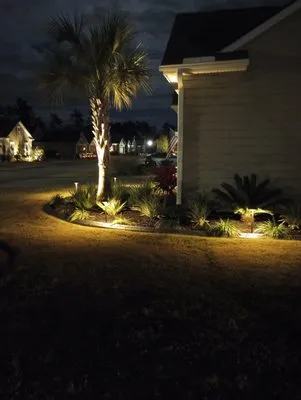
Lowcountry Lawn In Order is a locally owned and operated landscaping business serving North Charleston and the Tri-County Area since 2018. Founded by Brad, who brings decades of hands-on experience fr...
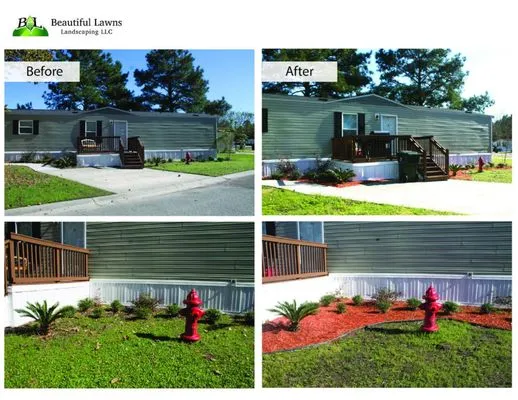
Beautiful Lawn Landscaping is a trusted North Charleston landscaping company specializing in comprehensive lawn and shrub care. We help homeowners address common local issues like poor lawn grading an...

New Leaf Landscape Construction
New Leaf Landscape Construction has been serving the Charleston tri-county area since 2002, providing comprehensive landscape solutions for both residential and commercial clients. Founded by a Missis...
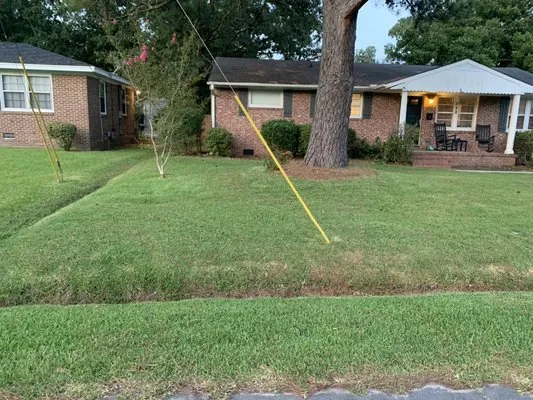
Vision 3 Landscaping is your trusted North Charleston partner for comprehensive lawn and tree care. We understand the local challenges homeowners face, from damaged landscape edging to unreliable irri...
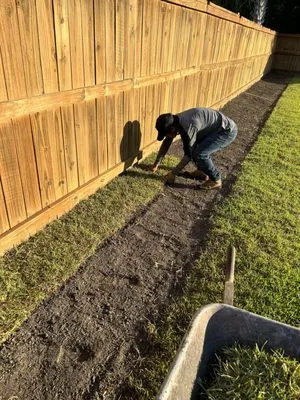
Lopez Landscaping is a trusted lawn and tree service provider serving homeowners and businesses across North Charleston, SC. We understand the local challenges, like persistent mulch bed weeds and pat...
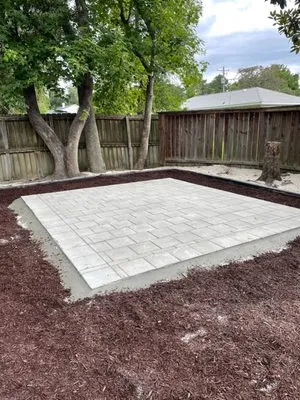
Precision Outdoor Charleston
Precision Outdoor Charleston is a trusted North Charleston, SC, landscaping and outdoor solutions provider specializing in artificial turf, masonry, and concrete services. We help local homeowners tac...

TruGreen in North Charleston provides professional lawn and tree care services tailored to our local climate and conditions. We focus on delivering reliable, expert solutions for maintaining a healthy...
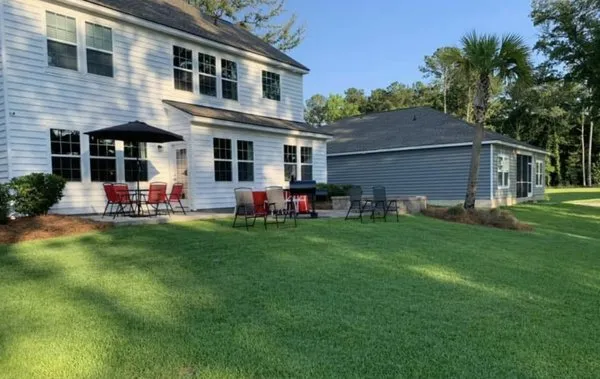
Wine Landscaping is a family-owned business serving North Charleston and the surrounding communities with over 30 years of hands-on experience. We believe a well-crafted outdoor space transforms a hou...

We Care-Lawn Care is a dedicated local landscaping provider serving North Charleston, SC. We understand that many homeowners in our community face common yard challenges, such as standing water and un...
Questions and Answers
Our yard holds water for days after a rain. What's the best long-term solution?
Poor infiltration due to a high water table and compacted sandy loam is common. Regrading to create positive surface flow away from structures is the first step. Integrating permeable concrete pavers for patios or walkways increases subsurface absorption. These strategies collectively manage stormwater runoff, often helping a project meet the North Charleston Planning & Zoning Department's drainage requirements.
What should I verify before hiring a contractor to regrade and sod my 0.22-acre lot?
Always confirm the contractor holds a current license with the South Carolina Department of Labor, Licensing and Regulation for the scope of work. For any significant regrading that alters water flow, a permit from the North Charleston Planning & Zoning Department may be required. Proper licensing ensures adherence to state regulations and local codes, particularly regarding sediment control and adherence to the fertilizer ordinance.
What are some lower-maintenance alternatives to my high-water-use lawn?
Transitioning to a landscape anchored by native plants like Muhly Grass, Yaupon Holly, and Blanket Flower significantly reduces water, mowing, and chemical inputs. These species are adapted to the local climate and soils, requiring minimal intervention once established. This shift also future-proofs the property against evolving noise ordinances targeting gas-powered blowers and mowers.
I've noticed an aggressive vine taking over. How do I deal with invasives safely?
Common invasive alerts for the area include Japanese Climbing Fern and Chinese Tallow. Correct identification is critical before any treatment. Manual removal for young plants or targeted, professional-grade herbicide application for established infestations are effective. All treatments must avoid runoff into waterways to comply with the local ordinance prohibiting phosphorus near wetlands.
How quickly can a crew respond for an emergency storm cleanup to meet an HOA deadline?
For urgent HOA compliance or post-storm work, a dispatch from our Riverfront Park staging area allows access to I-526 for efficient routing into Park Circle. Peak traffic conditions typically result in a 20 to 30 minute mobilization window. Coordination with the crew's electric equipment fleet also ensures work can begin immediately upon arrival within standard noise ordinance hours.
Why does the soil in our Park Circle yard seem so compacted and tired, even with regular feeding?
Properties developed around the 1990s average, like many here, have soils that are approximately 34 years old from initial construction. This Coastal Plain Sandy Loam was heavily compacted by machinery, stripping its natural structure and organic matter. Decades of standard maintenance have further degraded its permeability and biology. Core aeration combined with compost amendments is necessary to rebuild soil tilth and support healthy root zones.
Is it possible to keep a St. Augustine lawn healthy during Stage 1 water restrictions?
Yes, using Wi-Fi ET-based weather-sensing irrigation is the standard for conservation. This system schedules watering based on real-time evapotranspiration data, applying water only when the turfgrass needs it and never during restricted times. This precise approach often uses less water than a manual schedule while maintaining turf health, aligning perfectly with North Charleston's voluntary conservation goals.
Are permeable pavers a better choice than a traditional wood deck for a new patio?
Permeable concrete pavers offer superior longevity and functionality in this environment. Unlike wood, they do not rot, warp, or require constant sealing, providing a permanent solution with minimal upkeep. Their permeability aids site drainage, and their non-combustible nature contributes to defensible space, which is a consideration in this moderate Wildland-Urban Interface fire risk zone.
