Top Landscaping Services in Ninety Six, SC, 29666 | Compare & Call
There are 86 landscaping companies server in Ninety Six SC

Stephens Landscaping is your trusted local partner for a healthy, vibrant lawn in Laurens, SC. We focus on delivering consistent, reliable lawn care services, treating every customer with respect and ...
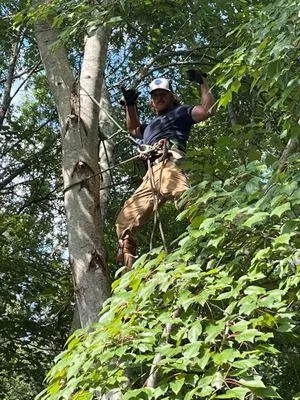
Tree Removal & Landscaping, LLC is rooted in a lifelong respect for the natural beauty of the Upstate. Owner, inspired by the local forests, founded the company to provide responsible tree and landsca...

Bowman Fence & Landscaping is your trusted, locally-owned partner for enhancing and protecting your Ninety Six, SC property. We understand the common local challenges homeowners face, such as dying sh...
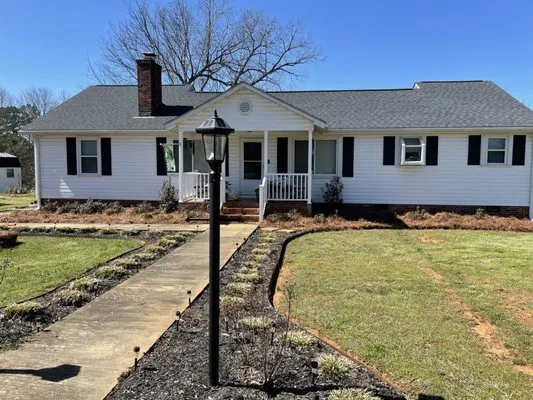
AC Lawn Care is a dedicated lawn service provider in Laurens, SC, committed to solving the common landscaping challenges local homeowners face. We specialize in comprehensive lawn care that addresses ...

Pinewood Hardscape & Tree Service is a veteran-owned and operated business serving the Prosperity, SC community with reliable landscaping, tree care, and hardscape solutions. Founded on principles of ...
On-site Landscaping is your comprehensive Monetta, SC partner for transforming and maintaining outdoor spaces. From foundational earthmoving and grading to the final touches of garden design and tree ...
Love’s Landscaping is the local Gray Court lawn care business founded by Madeleine and Jake Puckett. As a young, married couple from the community, they started this company with a simple, personal go...
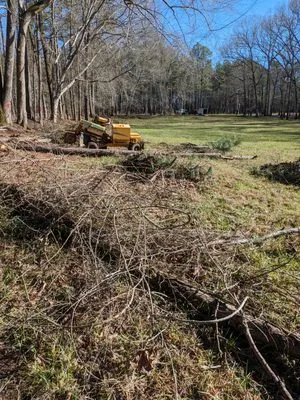
M & M Stump Grinding has been a trusted local provider in Simpsonville and across Upstate South Carolina since 2012. Founded as a father-son operation, we specialize in professional stump grinding but...

Grass Smith is a family-owned lawn care business in Easley, SC, dedicated to helping local homeowners maintain healthy, beautiful outdoor spaces. Founded on principles of integrity, reliability, and e...
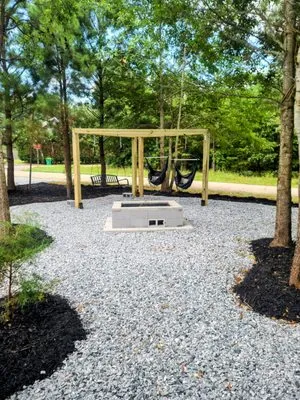
Walk By Faith Landscaping is a trusted, locally-owned business in Moore, SC, dedicated to enhancing the outdoor spaces of the Upstate community. We approach every project with a foundation of integrit...
Estimated Landscaping Service Costs in Ninety Six, SC
Frequently Asked Questions
What permits and licenses are required for regrading my property?
Grading work on 0.35-acre lots requires a land disturbance permit from Ninety Six Town Hall Planning & Zoning to ensure proper erosion control and drainage. Contractors must hold appropriate licensing through the South Carolina Department of Labor, Licensing and Regulation, as significant earth moving can impact neighboring properties and municipal infrastructure. Professional oversight prevents costly violations related to soil displacement and water management.
Why does my soil seem so compacted and acidic compared to newer neighborhoods?
Properties in the Ninety Six Historic District average 72 years of development since 1954, allowing soil structure to degrade through compaction and nutrient depletion. Cecil Sandy Loam Ultisols naturally acidify over time, typically reaching pH 5.5-6.0 in established lots. Core aeration combined with organic amendments like composted pine bark improves soil permeability and buffers acidity, creating better conditions for root development and water infiltration.
Can I maintain healthy turf while following voluntary water conservation guidelines?
Smart Wi-Fi soil moisture sensor controllers optimize irrigation by tracking evapotranspiration rates and soil conditions in real time. These systems maintain Tifway 419 Bermuda or Tall Fescue with 30-40% less water than traditional timers by delivering precise amounts only when needed. This approach preserves turf health while staying well within municipal water limits during normal restriction periods.
Which hardscape materials offer the best longevity for our climate?
Concrete pavers and local crushed granite outperform wood in durability, with 25-30 year lifespans versus wood's 10-15 years in Zone 8a conditions. These materials maintain structural integrity through freeze-thaw cycles while providing the 5-foot non-combustible zone required for Moderate Fire Wise ratings. Their thermal mass also moderates soil temperature fluctuations, reducing stress on adjacent plantings.
What landscape changes reduce maintenance while supporting local ecology?
Replacing high-maintenance turf with native plantings like Eastern Redbud, Beautyberry, and Switchgrass creates resilient, low-input landscapes. These species require minimal watering, no chemical inputs, and provide habitat for pollinators while reducing mowing frequency. Transitioning to electric equipment ahead of noise ordinance restrictions positions properties for sustainable management with lower operational costs.
How do I control invasive species without violating fertilizer regulations?
Japanese stiltgrass and Chinese privet pose significant invasion risks in Ninety Six's disturbed soils. Manual removal during dry periods prevents seed spread, while targeted spot treatments with EPA-approved herbicides avoid nutrient runoff into waterways. Timing applications outside state-regulated blackout dates and keeping chemicals off impervious surfaces maintains compliance while protecting soil microbiology and water quality.
How quickly can you respond to an HOA violation notice for overgrown vegetation?
Emergency compliance requests receive priority dispatch from our Star Fort Historical Site staging area. Using SC Highway 34, our electric maintenance vehicles reach Ninety Six Historic District properties within 20-30 minutes while adhering to daytime noise ordinances. This routing minimizes traffic delays and ensures we can address overgrowth issues before potential fines escalate.
What solutions prevent surface ponding in my clay-heavy soil?
High clay content in Cecil Sandy Loam reduces permeability, creating surface ponding hazards during heavy rainfall. Installing permeable concrete pavers or local crushed granite hardscapes allows water infiltration while meeting Ninety Six Town Hall Planning & Zoning runoff standards. French drains or dry creek beds with gravel channels redirect excess water away from structures, preventing foundation issues common in this soil type.
