Top Landscaping Services in Mauldin, SC, 29607 | Compare & Call
There are 199 landscaping companies server in Mauldin SC
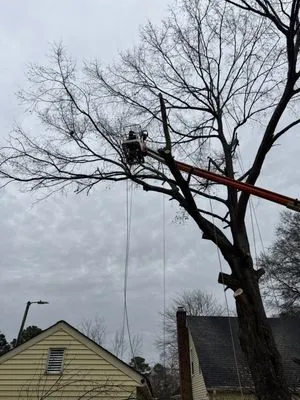
Romeo Whiskey Turf & Concrete provides reliable landscaping and concrete services for Woodruff, SC. We focus on building lasting solutions, from routine lawn maintenance like mowing, hedge trimming, a...
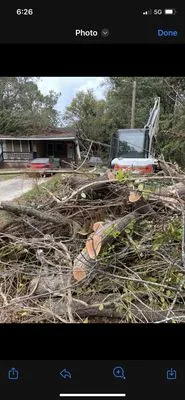
NU World Landscape is a trusted, locally-owned and operated company serving Ninety Six, SC, and surrounding communities. With over a decade of hands-on experience, our team of dedicated professionals ...
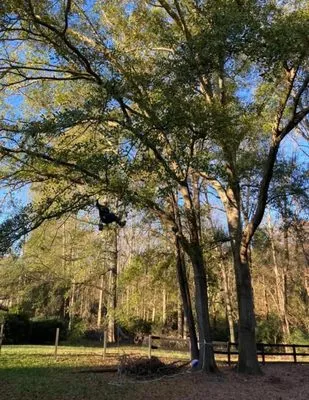
For over a decade, Brian, the owner of Precision Roots Land Solutions, has called Upstate South Carolina home. His background in quality management for precision machining instilled a foundational bel...

At Yellow Dog Lawn Care, we understand the unique needs of lawns in Travelers Rest. Our commitment to quality work and excellent customer service means your call is always answered by a team member re...
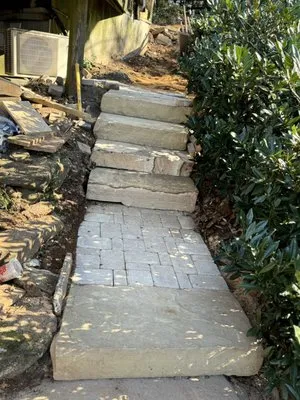
T Manz Landscape is a full-service landscaping company serving Greer, SC, specializing in landscaping, tree services, and masonry/concrete work. We help homeowners tackle common local issues like mulc...

Blue Line Lawn Care is your local, trusted partner for a healthier, more beautiful yard in Easley, SC. We understand that Upstate South Carolina's climate can lead to common issues like patchy, thin g...

AAA Land Management has been serving Reidville and the Upstate South Carolina region since 1999, specializing in comprehensive land management solutions. As land clearing and forestry mulching experts...
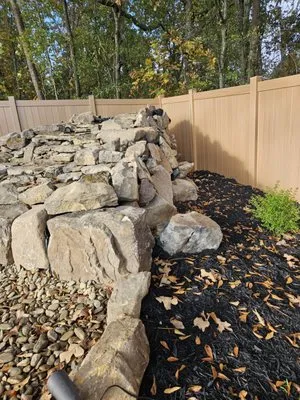
Durgan Landscaping is a family-owned landscaping company serving Belton, SC, and the surrounding Anderson area since 2009. Building on a legacy that began with Athens Tree Service, we specialize in co...

With over 15 years of experience rooted in the Greenville area, Ben Hallas and the team at Hallas Landscapes have built a solid reputation on integrity and client satisfaction. It started in 2003 with...
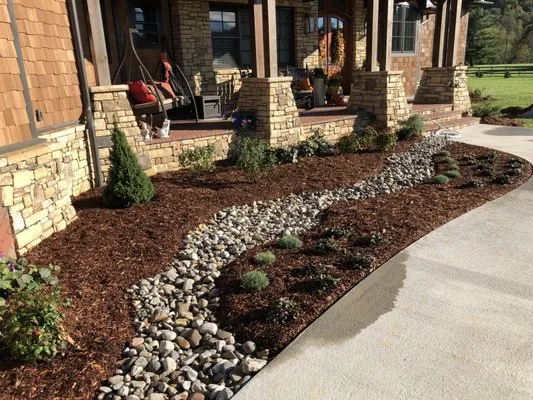
Twisted Leaf Landscapes is a Greenville-based landscaping company with over 20 years of experience transforming outdoor spaces. We specialize in comprehensive design and build services, including irri...
Estimated Landscaping Service Costs in Mauldin, SC
FAQs
How do I maintain healthy turf during Mauldin's Stage 1 water restrictions?
Wi-Fi ET-based weather sensing irrigation systems calculate evapotranspiration rates to deliver precise water volumes. For Tall Fescue or TifTuf Bermuda in USDA Zone 8a, this technology adjusts schedules based on real-time weather data, typically reducing water use 20-30% compared to traditional timers. The system maintains turf health while staying well within voluntary conservation guidelines by eliminating unnecessary irrigation during rainfall events.
What permits and licenses are needed for grading my 0.25-acre property?
Grading work exceeding 100 cubic yards requires a City of Mauldin Planning & Zoning Department permit to ensure compliance with stormwater management regulations. Contractors must hold South Carolina Department of Labor, Licensing and Regulation certification for erosion control and grading operations. This licensing verifies understanding of BMPs for sediment control on compacted clay soils, protecting downstream watersheds from construction-related runoff contamination.
Are concrete pavers better than wood for Mauldin's climate and fire safety?
Concrete pavers and local granite aggregate outperform wood in longevity and fire resistance. In Mauldin's Moderate Fire Wise Interface Zone, these non-combustible materials create defensible space while withstanding humidity cycles that degrade wood structures. Their thermal mass moderates microclimate extremes, and proper installation prevents heaving in Cecil clay soils, providing 25+ year service life versus wood's 8-12 year lifespan with maintenance.
Can I reduce maintenance while preparing for electric equipment requirements?
Transitioning high-maintenance turf areas to native plantings like American Beautyberry, Eastern Redbud, and Switchgrass significantly reduces mowing and blowing needs. This xeriscaping approach aligns with evolving noise ordinances restricting gas-powered equipment while supporting 2026 biodiversity standards. Native species establish deeper root systems that improve soil structure and require minimal irrigation once established.
How quickly can you respond to an emergency storm cleanup for HOA compliance?
Our electric maintenance fleet operates within Mauldin's noise ordinance hours (7:00 AM-9:00 PM) for rapid response. From the Mauldin Cultural Center, we route via I-385 to reach Bridgeway Station properties within 20-30 minutes during peak conditions. This allows immediate debris removal and turf restoration to meet HOA landscape standards while minimizing disruption to neighbors.
What's the best solution for water pooling in my clay-heavy yard?
Cecil Sandy Clay Loam's low permeability creates chronic surface runoff issues. Installing permeable concrete pavers or local granite aggregate hardscapes allows water infiltration while meeting City of Mauldin Planning & Zoning Department stormwater standards. These materials provide 30-50% void space for water passage, reducing erosion and complementing French drain systems to manage the 0.25-acre lot's hydrological load effectively.
Why does my Bridgeway Station yard have such poor drainage and compacted soil?
Mauldin's Bridgeway Station neighborhood was developed around 1993, meaning your soil has approximately 33 years of maturation. The predominant Cecil Sandy Clay Loam (Ultisols with pH 5.5-6.2) naturally compacts under foot traffic and equipment weight over decades. This compaction reduces soil percolation rates, creating the high runoff potential observed in many area yards. Core aeration combined with organic amendments like composted pine bark can improve soil structure and permeability.
What invasive species should I watch for in Mauldin landscapes?
Japanese stiltgrass and Chinese privet pose significant threats in Mauldin's Zone 8a environment. These invasives outcompete native vegetation and degrade soil health. Treatment involves targeted herbicide applications during active growth phases, carefully timed outside South Carolina BMPs' recommended blackout periods to prevent stormwater contamination. Manual removal combined with mycorrhizae-enhanced native plantings creates resilient ecological barriers.
