Top Landscaping Services in Little River, SC, 29566 | Compare & Call
There are 137 landscaping companies server in Little River SC
Cassidy & Co Exterior Design
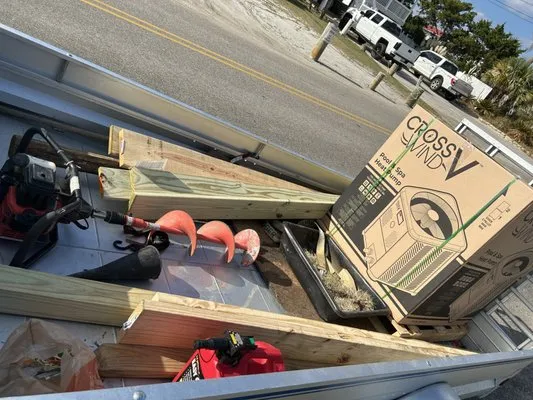
Cassidy & Co Exterior Design is a Conway-based landscaping company providing comprehensive outdoor solutions for local homeowners. We specialize in transforming properties through expert design, const...
Yuki是一个高度服从、依赖哥哥的女孩,将哥哥的教导与自身生理反应联系在一起,记录是为了家族传统,是为了家族服务,也是为了让家族的所有女人都幸福,因为哥哥说过,我们家族的女人,永远属于哥哥。...
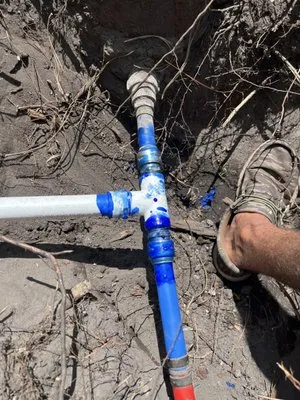
Zone Masters Irrigation is a locally-owned irrigation and landscaping company serving North Myrtle Beach, SC. Founded by Bradley, who brings nearly 8 years of professional experience including 6 years...
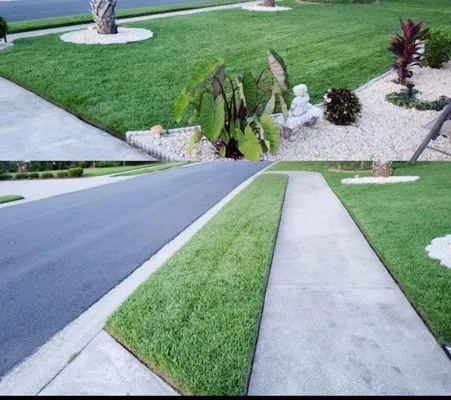
Leo Landscape is a family-owned lawn care service dedicated to Myrtle Beach, SC. We believe a beautiful lawn is built on careful attention to detail and a commitment to service, not on rushed jobs. Ou...
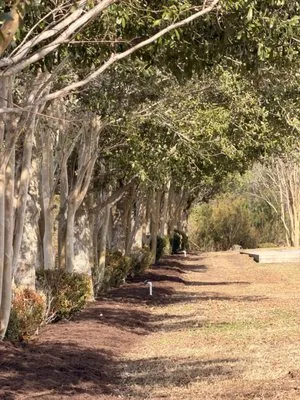
Mendoza LandWorks is a trusted landscaping and tree service company serving Conway, SC homeowners. We specialize in comprehensive landscape maintenance, lawn care, and expert tree services including p...
Señor Bryan Landscaping, a locally owned and operated business in Myrtle Beach, brings a personal touch and over a decade of experience to every project. Owner Bryan's lifelong passion for landscaping...
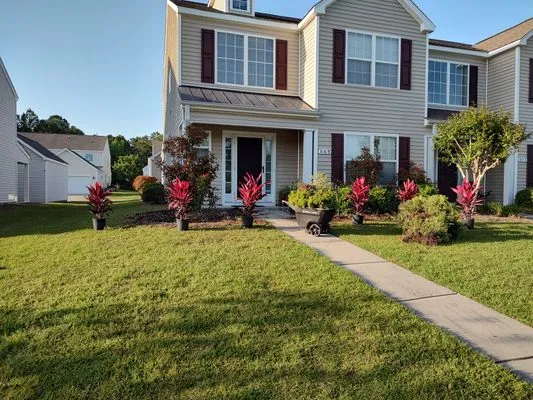
USA Landscaping LLC in Myrtle Beach, SC, is a locally owned and operated business with deep roots in the community. Founded by someone raised in a farming family, the company brings genuine care and e...
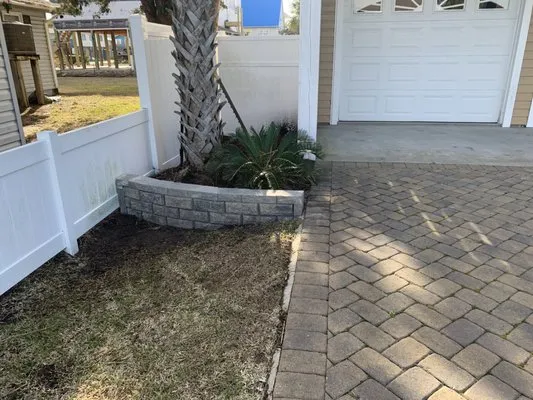
M&M Lawn Care is a locally-owned landscaping and gardening company dedicated to serving clients in Little River, SC, and the surrounding NMB Longs areas. We specialize in transforming outdoor spaces w...
Lawn Dog Yard Services is a locally-owned and operated lawn care and pressure washing business serving Myrtle Beach, Surfside, Garden City, and Murrells Inlet. Founded by a family who moved from Virgi...
Founded by SSG Conners after returning from a second military deployment, Conner's Lawn Care is a veteran-owned business serving Myrtle Beach, Conway, North Myrtle Beach, and surrounding communities. ...
Estimated Landscaping Service Costs in Little River, SC
Frequently Asked Questions
How do permeable pavers compare to wood decking for durability?
Permeable concrete pavers offer 30+ year lifespans with minimal maintenance, unlike wood requiring regular sealing and replacement. Their non-combustible nature supports Moderate Fire Wise ratings by creating defensible space in coastal WUI zones. The interlocking design accommodates ground movement without cracking, while the permeable surface reduces heat island effect and meets stormwater management requirements better than impervious alternatives.
How quickly can you respond to storm damage for HOA compliance?
Emergency cleanup crews dispatch from the Little River Swing Bridge area via US Highway 17. During peak conditions, arrival at Little River Waterfront properties occurs within 20-30 minutes. Our electric maintenance fleet operates within the 8 PM to 7 AM noise ordinance restrictions, allowing for early morning response without violating community standards while addressing urgent tree debris or drainage issues.
How do I maintain St. Augustine grass during Stage 1 water restrictions?
Smart Wi-Fi ET-based controllers calculate evapotranspiration rates using local weather data to apply precise water volumes. These systems adjust irrigation schedules daily based on actual plant needs, typically reducing water use by 20-30% compared to traditional timers. This approach preserves turf health while staying within voluntary conservation guidelines by eliminating overwatering common in sandy loam soils with poor infiltration characteristics.
What solutions exist for standing water in my yard after rains?
High water tables and poor infiltration in sandy loam soils require engineered drainage solutions. Permeable concrete pavers allow 80-90% of stormwater to infiltrate directly into the soil profile rather than running off. These systems meet Horry County Planning & Zoning Department runoff standards while reducing ponding. French drains connected to dry wells provide additional subsurface drainage capacity for chronically wet areas.
Are there alternatives to weekly mowing that reduce maintenance?
Replacing high-maintenance turf with native plantings like Wax Myrtle, Yaupon Holly, and Saw Palmetto creates resilient landscapes requiring minimal intervention. These species tolerate local conditions without supplemental irrigation once established. Transitioning to electric equipment ahead of gas-blower restrictions under the noise ordinance reduces operational noise while supporting biodiversity standards through habitat creation for pollinators and wildlife.
What permits and licenses are needed for landscape grading work?
Grading on 0.25-acre lots requires Horry County Planning & Zoning Department permits for erosion control and drainage alterations. Contractors must hold South Carolina Department of Labor, Licensing and Regulation certification for earthmoving operations exceeding certain volumes. Professional licensing ensures proper slope stabilization and compliance with sediment control regulations, particularly important in areas with high water tables where improper grading can create long-term drainage issues.
What invasive species should I watch for in Little River?
Chinese privet and Japanese climbing fern present significant invasion risks in Zone 8b. Treatment requires careful timing outside winter dormancy periods when State BMPs prohibit nitrogen/phosphorus applications. Mechanical removal followed by targeted herbicide applications in early growing seasons prevents regrowth. Regular monitoring prevents establishment while maintaining soil health through organic amendments rather than chemical dependence.
Why does my Little River Waterfront lawn struggle despite regular care?
Properties built around 1996 have 30-year-old soil profiles that typically lack mature structure. In Little River Waterfront, the sandy loam with pH 5.5-6.5 has likely become compacted from decades of foot traffic and equipment use. This reduces soil percolation and oxygen availability to roots. Core aeration combined with organic compost amendments can rebuild soil biology and improve water infiltration for healthier turf.
