Top Landscaping Services in Liberty, SC, 29657 | Compare & Call

Timber & Turf is a family-owned and operated business serving Liberty, SC, and the surrounding areas. Licensed and insured, we specialize in tree services, handyman work, and landscaping, offering a c...
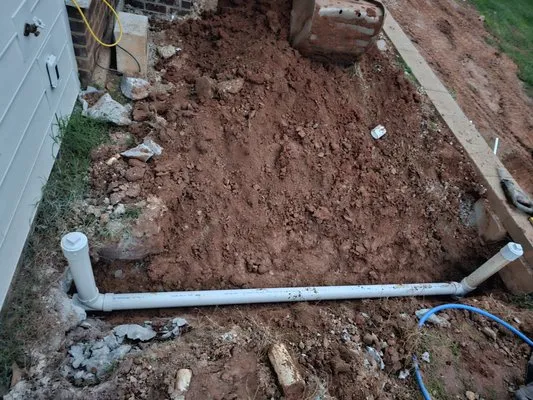
Southern Flow Septic Services is a trusted local provider in Liberty, SC, offering comprehensive septic and landscaping solutions. We specialize in septic system installation and repair, along with a ...

K And C Enterprises is your trusted local fencing and landscaping specialist serving Liberty, SC, and the surrounding communities. We specialize in comprehensive fence and gate solutions, including in...

Danyels Turf is a family-owned lawn care company serving Liberty, SC, and surrounding areas like Clemson and Anderson. With over 20 years of experience, we specialize in fertilization, weed control, a...
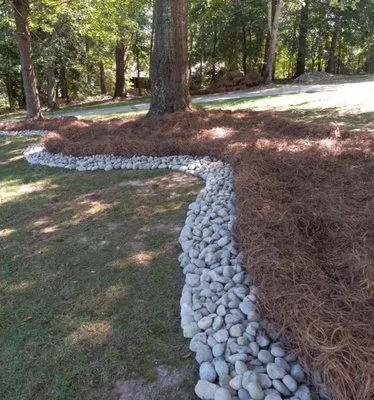
Enviro Mulch is a licensed mulch supplier serving Liberty, SC and the surrounding Upstate South Carolina region. We specialize in providing high-quality landscaping materials including Double Ground N...
RMS Services in Liberty, SC, is a full-service landscaping and construction company dedicated to enhancing and protecting Upstate properties. We specialize in a comprehensive range of services, from f...
Cody Davis of Davis Yard Works is a lifelong resident of Liberty, SC, and a father of four who has spent over 15 years turning his passion for the outdoors into a trusted local business. Drawing on de...
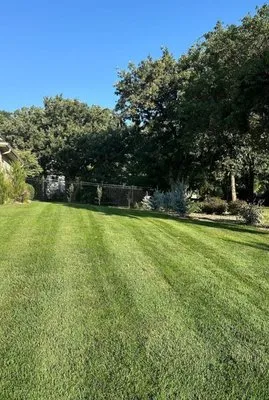
Southern View Lawn Maintenance is your Liberty-based partner for a healthier, more attractive yard. We understand the common local challenges homeowners face, like tree root damage creating unsightly ...

Dre's Lawn Care is your trusted, locally-owned service in Liberty, SC. With over a decade of hands-on experience, Dre provides reliable and detailed lawn and tree care. Services include professional g...
Tim's Lawn Care is a trusted local landscaping business serving Liberty, SC, dedicated to keeping your outdoor spaces healthy and vibrant. We specialize in addressing common local lawn problems like d...
Questions and Answers
What permits and licenses are needed for major landscaping work on my Liberty property?
Grading or structural changes on 0.35-acre lots require permits from the City of Liberty Planning & Zoning Department and contractors licensed by the South Carolina Contractors' Licensing Board. Professional licensing ensures compliance with state BMP guidelines and local runoff management standards. The permit process evaluates soil disturbance, drainage modifications, and impervious surface increases. Licensed professionals carry required insurance and understand Liberty's specific requirements for projects affecting property drainage patterns.
What's the best solution for drainage problems in my Liberty yard with heavy clay soil?
Moderate runoff issues in Cecil Sandy Loam ultisols require addressing both surface and subsurface drainage. Permeable concrete pavers or local granite installations create infiltration zones that meet City of Liberty Planning & Zoning Department runoff standards. French drains with clean gravel and landscape fabric redirect subsurface water away from foundations. These solutions work with the soil's natural characteristics rather than against them, preventing saturation during heavy rain events.
How can I maintain healthy turf while following Liberty's water conservation guidelines?
Wi-Fi ET-based weather sensing irrigation systems automatically adjust watering schedules using real-time evapotranspiration data. This technology preserves Tall Fescue or Zoysiagrass health while reducing water use by 20-30% compared to traditional timers. During normal voluntary conservation periods, these systems prevent overwatering by accounting for rainfall and humidity. Properly calibrated ET systems help Liberty properties maintain turf quality while staying well within municipal water limits.
Why does my Liberty yard have such compacted soil that won't drain properly?
Downtown Liberty properties built around 1971 have 55-year-old soil profiles in USDA Zone 8a. The Cecil Sandy Loam ultisols common here naturally acidify to pH 5.5-6.0 over decades, reducing microbial activity and permeability. This aging process creates dense layers that resist water infiltration, particularly problematic given the high clay content. Core aeration with organic compost amendments is essential to rebuild soil structure and restore drainage capacity in these mature landscapes.
What are my options for reducing lawn maintenance while supporting local ecology?
Replacing high-maintenance turf with native plant communities creates resilient landscapes that require minimal intervention. Eastern Redbud, Purple Coneflower, Switchgrass, Joe-Pye Weed, and American Beautyberry provide year-round interest while supporting pollinators. This approach reduces mowing frequency and eliminates gas-powered blower use, aligning with evolving noise ordinance considerations. Native plantings also demonstrate leadership in 2026 biodiversity standards through habitat creation and reduced resource consumption.
How quickly can you respond to an emergency tree cleanup after a storm in Liberty?
Emergency storm response from Liberty City Hall via US-178 typically requires 20-30 minutes during peak conditions. Our electric maintenance fleet operates within standard noise ordinance hours (restricted 10 PM-7 AM) while providing immediate deployment capability. This routing prioritizes Downtown Liberty neighborhoods with mature trees vulnerable to wind events. We maintain real-time weather monitoring to preposition equipment when severe weather threatens the area.
Which hardscape materials work best for Liberty's climate and fire safety requirements?
Concrete pavers and local granite offer superior longevity compared to wood in USDA Zone 8a's freeze-thaw cycles. These non-combustible materials contribute to defensible space in Moderate Wildland-Urban Interface zones, slowing fire spread near structures. Their thermal mass moderates temperature extremes while providing durable surfaces that withstand Liberty's seasonal variations. Properly installed stone or paver features maintain integrity for decades with minimal maintenance.
How should I handle invasive plants without violating local fertilizer regulations?
Invasive species like Japanese stiltgrass and Chinese privet require targeted mechanical removal followed by native replacement planting. Spot treatment with EPA-approved herbicides must avoid State BMP guideline blackout dates and never contact impervious surfaces. Manual extraction during dormancy periods prevents seed spread while complying with all local ordinances. Establishing competitive native groundcovers creates biological resistance to future invasions without chemical dependency.
