Top Landscaping Services in Inman, SC, 29349 | Compare & Call

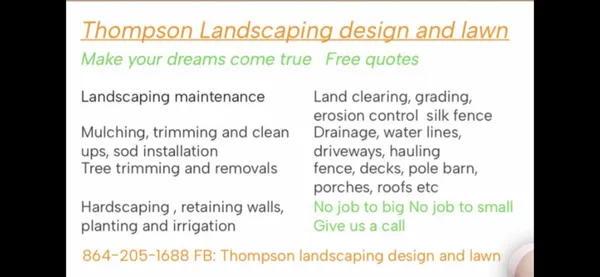
Thompson Landscaping Design and Lawn is a full-service landscape contractor based in Inman, SC. We help local homeowners transform their outdoor spaces by directly addressing common issues like bare l...

Fulbrights Junk Removal and Lawn Care Services is a trusted local provider in Inman, SC, offering comprehensive solutions for junk removal, hauling, and lawn maintenance. We specialize in appliance, f...
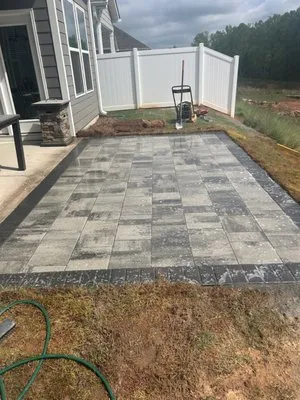
Lakeview Hardscape in Inman, SC, is your local team for comprehensive outdoor transformation and care. We are dedicated to building durable and beautiful hardscapes, from paver patios and driveways to...
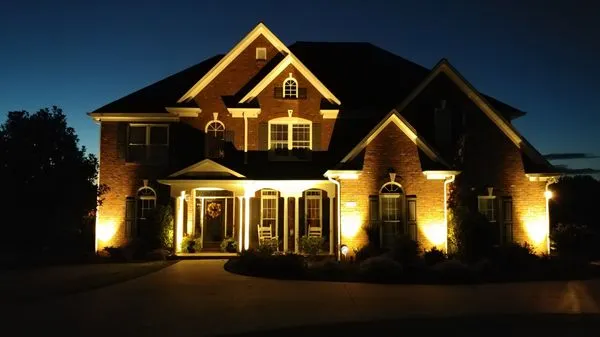
Green Leaf Landscapes is a full-service landscaping company serving Inman, SC, and the Upstate region. With over 20 years of local experience, our team includes a Certified Horticulturist from SCC and...

ACO Landscaping & Junk Removal is a locally owned and operated business serving Inman, SC, and the broader Upstate region, including Greenville and Spartanburg Counties. We specialize in comprehensive...
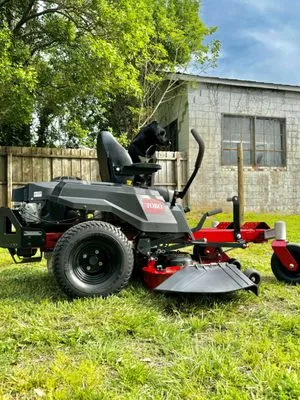
Revelation Lawn Services is a locally-owned and operated business in Inman, SC, dedicated to helping Spartanburg County residents achieve a healthy and beautiful outdoor space. Founded on a commitment...
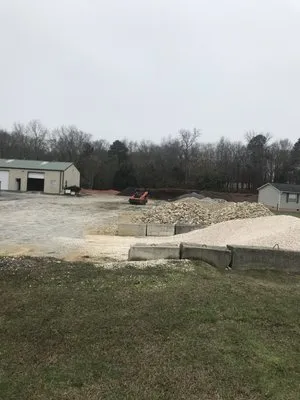
Northside Bark Yard is a trusted lawn care provider serving homeowners in Inman, SC. We specialize in comprehensive lawn care services designed to address common local landscaping challenges, such as ...
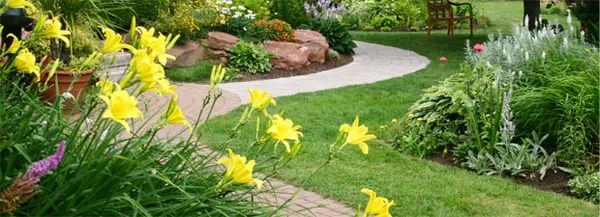
A-1 Newman, LLC is a full-service exterior specialist based in Inman, SC, dedicated to enhancing and maintaining your property's outdoor spaces. We go beyond standard lawn care and landscaping to serv...
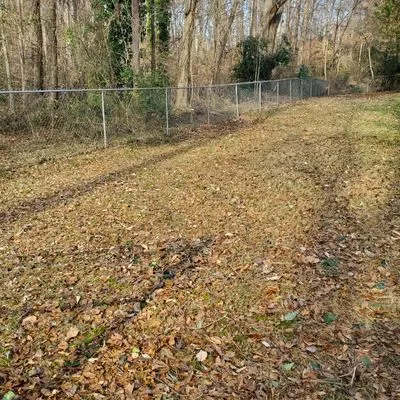
J&K Property Clean Up is your trusted, full-service landscaping and tree care provider in Inman, SC. We specialize in comprehensive property maintenance and transformation, offering everything from la...
Jags Lawn Service LLC is a locally-owned and operated landscaping company serving Inman, Spartanburg, and Greenville. With over a decade of experience, we specialize in creating and maintaining beauti...
Common Questions
I want to reduce mowing and gas equipment noise—what should I plant?
Transitioning perimeter zones to a native plant community is the most effective long-term strategy. Species like Eastern Redbud, Purple Coneflower, and Switchgrass are adapted to Inman's climate and Ultisol soils, requiring no irrigation once established and minimal seasonal maintenance. This xeriscaping approach drastically reduces the need for weekly mowing and gas-powered blowers, future-proofing your landscape against potential tightening of the standard 7am-9pm noise ordinance.
Do I need a permit to regrade my backyard for better drainage?
Yes. Significant regrading on a 0.35-acre lot typically requires a permit from the Inman Planning & Zoning Department to ensure altered runoff does not impact neighboring properties or municipal systems. Furthermore, the work must be performed by or under the supervision of a contractor licensed by the South Carolina Contractors Licensing Board. This licensing guarantees the operator understands state BMPs for erosion control and sedimentation, which are legally mandated during any earth-disturbing activity.
Are concrete pavers or wood better for a new patio here?
Concrete pavers or local granite offer superior longevity in Inman's humid climate, with a 40+ year lifespan versus 10-15 years for wood. They are non-combustible, which contributes directly to your property's Moderate Firewise USA rating by creating defensible space. For permeability and heat island mitigation, specify pavers set on a gravel base. This design also handles the freeze-thaw cycles of USDA Zone 8a without heaving, a common failure point for monolithic concrete slabs.
My yard pools water after every rain—what's a lasting solution?
Moderate runoff is common here due to the clay fraction in Cecil Loam, which reduces percolation. The primary fix is subsurface drainage, like a French drain tied to a daylight outlet. For new hardscapes, specify permeable concrete pavers or local granite set on an open-graded base; this meets Inman Planning & Zoning's runoff management standards by allowing infiltration. Correcting the soil compaction through aeration is also a critical first step to improve the native soil's capacity to absorb water.
My HOA gave me a notice for overgrowth—how fast can you get here for a cleanup?
We prioritize compliance dispatches. From our staging at Inman City Hall, we take I-26 for direct access to the Historic District. During peak hours, our arrival is 20-30 minutes. The crew will bring electric trimmers and hauling equipment to address the violation immediately, focusing on turf edges, ornamental beds, and safe debris removal to meet your HOA's landscape covenant standards by end of day.
Why does my soil seem so hard and compacted compared to my neighbor's?
Inman's Historic District was largely developed around 1985, giving your Ultisol soil over 40 years to mature. Cecil Sandy Loam, while workable, naturally compacts and becomes acidic over decades without intervention. This aging process reduces permeability, creating the dense, water-resistant layer you feel. A soil test will confirm the pH is likely 5.5-6.0, and core aeration with compost amendments is the standard correction for restoring pore space and biological activity.
What are the biggest weed threats, and how do I treat them safely?
In this area, invasive species like Japanese Knotweed and Nutsedge are primary alerts. Treatment requires targeted, non-broadcast methods to prevent nitrogen and phosphorus runoff, aligning with state BMP guidelines. For Knotweed, this means precise stem injection in late summer. For Nutsedge in lawns, a post-emergent herbicide labeled for use on Tall Fescue, applied only to affected areas, is effective. Always avoid applications before a heavy rain to prevent chemical movement into waterways.
Can I keep my Tall Fescue healthy under Stage 1 water conservation rules?
Yes, with precise scheduling. Stage 1 voluntary conservation in Inman is best managed with Wi-Fi ET-based irrigation controllers. These systems use local weather data to apply water only when evapotranspiration rates demand it, avoiding the 30-50% waste of traditional timers. For Tall Fescue or Zoysia in Zone 8a, this typically means 2-3 deep weekly soakings at dawn, which maintains root depth and drought resilience while staying well within municipal guidelines.
