Top Landscaping Services in Hilton Head Island, SC, 29925 | Compare & Call

The Greenery
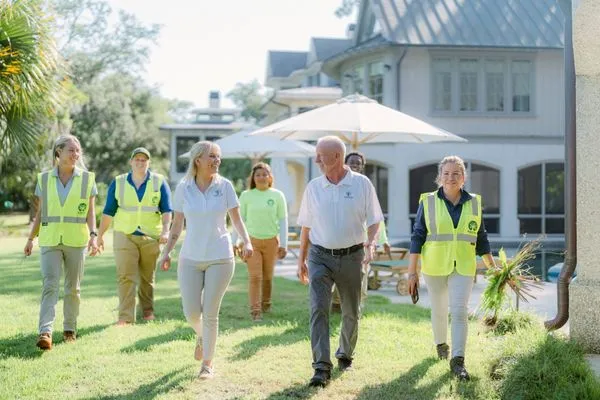
The Greenery is a full-service, employee-owned landscaping company serving Hilton Head Island, SC, and Savannah since 1973. Founded by Ruthie and Berry Edwards, who fell in love with the island's beau...
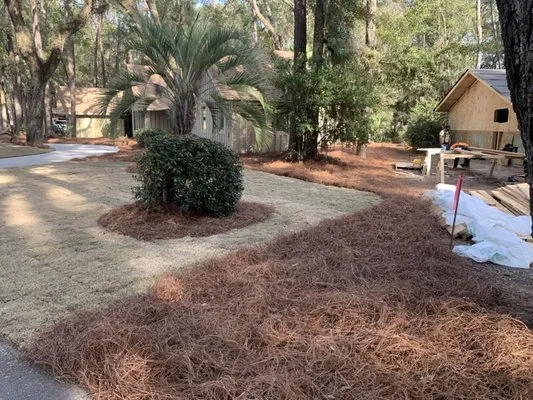
Anchor Land Services is a full-service landscaping and irrigation company serving Hilton Head Island, SC. We specialize in comprehensive outdoor solutions including driveway and walkway construction, ...
Carolyn's Landscaping
Carolyn's Nursery & Landscaping has been a trusted presence in Hilton Head since 1977, building beautiful and enduring outdoor spaces for local homes and businesses. We offer a comprehensive approach,...

Ocean Woods Landscaping has been a trusted landscaping partner in Hilton Head Island since 1974, offering comprehensive services for both residential and commercial properties. We specialize in landsc...
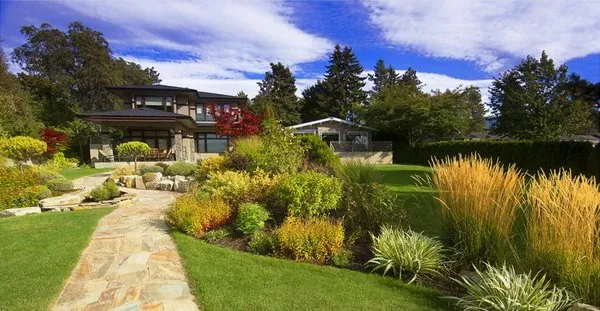
Gardenia Landscape is a full-service landscaping company serving Hilton Head Island, SC, specializing in comprehensive outdoor solutions. We offer everything from landscape design and installation to ...
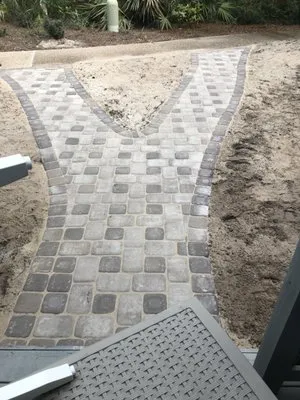
Green Planet Landscaping is a Hilton Head Island-based company specializing in comprehensive landscaping, tree services, and pressure washing. We help local homeowners maintain beautiful, healthy outd...
Arrow Exterminators
Arrow Exterminators has been serving Hilton Head Island since 1964 as a family-owned, full-service pest control company. We provide comprehensive solutions for residential and commercial properties, i...

VERA Landscaping And Other Services is a trusted, local landscaping company serving Hilton Head Island, SC. We specialize in addressing the common property maintenance challenges homeowners face, such...
Lowcountry Landworks is a trusted landscaping company serving Hilton Head Island, SC, dedicated to enhancing outdoor spaces with expert care. We specialize in addressing common local challenges like l...
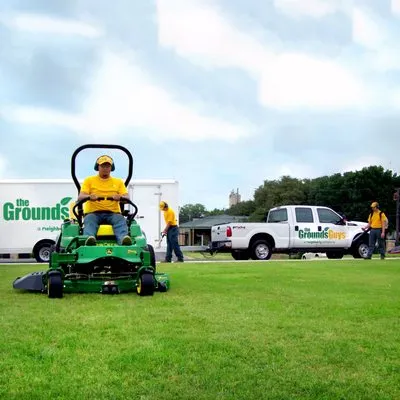
The Grounds Guys of Hilton Head Island is a locally owned and operated landscaping company with deep roots in community care. Founded in 1987 by ten brothers, the brand has grown into a trusted name k...
FAQs
What invasive species should we watch for, and how can we treat them in summer?
Vigilance is required for invasive plants like cogongrass and Japanese climbing fern. Manual removal is effective for small infestations. For chemical control, note the local ordinance prohibits nitrogen and phosphorus applications from June 1 through September 30. Select a targeted, approved herbicide and apply it in early spring or fall, carefully following label instructions to avoid impacting nearby desirable natives like Saw Palmetto.
How do we keep our St. Augustine lawn green during summer without violating water conservation rules?
Under Stage 1 voluntary conservation, precise water management is critical. Wi-Fi ET-based smart controllers are the standard solution; they adjust schedules daily using local weather data to apply only the water lost to evapotranspiration. This technology prevents overwatering, which is especially wasteful given the high water table, and maintains turf health within municipal guidelines by targeting root zones efficiently.
Our yard holds water after heavy rain. What's the best long-term fix for poor drainage here?
High water tables and the poor infiltration rate of sandy Spodosols create chronic surface pooling. Installing a French drain system to redirect water is a primary solution. Complement this with permeable clay pavers for any new patios or walkways; this material meets Town of Hilton Head Island runoff standards by allowing rainwater to percolate into the subsoil, reducing overall load on the property's drainage.
We want to reduce mowing and blower noise. Are there attractive, low-maintenance alternatives to grass?
Transitioning to a climate-adaptive landscape with native plants significantly reduces maintenance. Incorporate drifts of Muhly Grass, groundcover like Beach Morning Glory, and shrubs such as Wax Myrtle. These species are adapted to local soils and rainfall, requiring no supplemental fertilization and minimal watering once established. This approach future-proofs your property against tightening noise ordinances on gas-powered equipment.
If a storm downs a tree overnight, how quickly can a crew arrive for an emergency cleanup?
For urgent HOA compliance or safety issues, our dispatch from the Harbour Town Lighthouse area typically routes via US-278. During peak congestion, travel to most Sea Pines addresses requires a 45 to 60-minute response window. We prioritize such calls with dedicated teams equipped for storm debris, ensuring safe access and initial mitigation to meet community standards swiftly.
Is a wooden deck or a paver patio better for longevity and fire safety in our area?
Permeable clay pavers offer superior longevity and align with Firewise principles for our high-risk WUI zone. Unlike wood, which requires constant sealing and poses a combustible fuel source, clay pavers are inert, non-combustible, and provide a stable defensible space. Their installation also addresses drainage concerns, making them a multifunctional upgrade that complies with community safety standards.
What permits and contractor qualifications are needed to regrade our 0.35-acre lot?
Any significant grading that alters water flow or involves moving more than 50 cubic yards of soil requires a permit from the Town of Hilton Head Island Community Development. For a lot of this size, the work must be performed by a contractor licensed by the South Carolina Contractors' Licensing Board. This ensures proper erosion control and adherence to local drainage codes, protecting both your property and the surrounding watershed.
Our yard in Sea Pines feels thin and drains poorly. Could our home's age have impacted the soil?
Properties built around 1990, like many in Sea Pines, have soils with over three decades of maturity. The native Spodosol is a sandy loam that naturally resists compaction but is inherently low in organic matter. After 36 years, repeated mowing and foot traffic have likely compacted the upper layer, reducing percolation and nutrient retention. Core aeration followed by top-dressing with composted organic matter is essential to rebuild soil structure and support healthy root zones.
