Top Landscaping Services in Hilton Head, SC, 29925 | Compare & Call

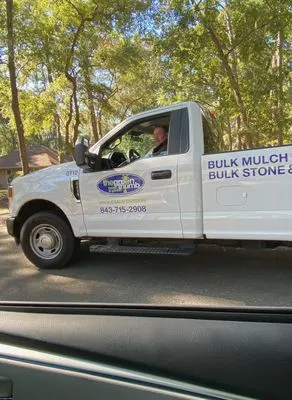
Frank Lynch, owner of The Green Thumb, brings over 30 years of deep-rooted expertise to Hilton Head and Bluffton. His journey in the green industry began in childhood, helping his grandfather breed Da...
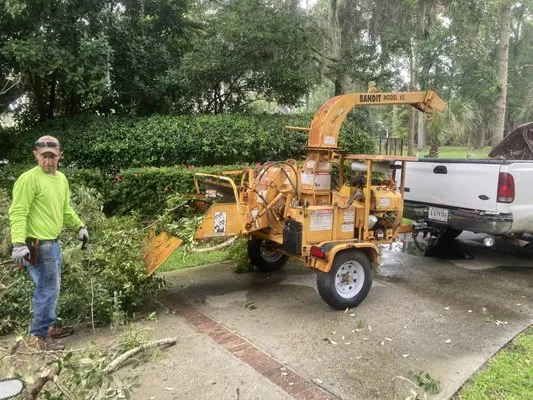
Prestige Landscaping Maintenance has been a trusted, family-owned fixture in Hilton Head since 2008. We provide comprehensive property care, from routine lawn maintenance and shrub health programs to ...
Johnson Lawncare Service
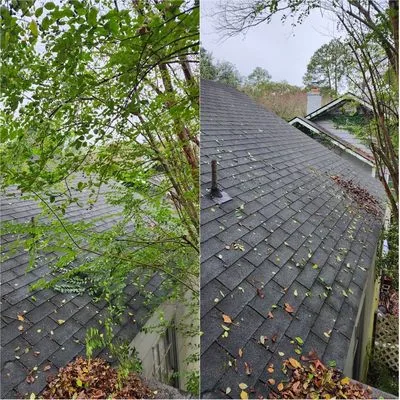
Johnson Lawncare Service is a family-owned business with over 25 years of experience serving Hilton Head Island, Okatie, and Savannah. Founded on loyalty, honesty, and teamwork, we believe in helping ...
Question Answers
Why does my Sea Pines lawn struggle with compaction and poor drainage despite regular care?
Hilton Head's sandy loam soils, classified as Spodosols with pH 5.5-6.5, naturally have low organic matter and poor structure. In Sea Pines neighborhoods with homes averaging 36 years old (built around 1990), decades of foot traffic and conventional maintenance have likely depleted soil biology and increased compaction. This reduces permeability, exacerbating the area's high water table issues. Core aeration combined with compost amendments at 0.25-0.5 inches annually can rebuild soil aggregates and improve water infiltration without disrupting the acidic pH range most native plants prefer.
How can I maintain St. Augustine or Zoysia grass while following Hilton Head's water restrictions?
Under Stage 1 water restrictions, efficient irrigation requires precise scheduling based on actual evapotranspiration (ET) rates. Wi-Fi ET-based smart controllers automatically adjust runtime using local weather data, typically reducing water use 20-30% compared to fixed schedules. For St. Augustine (Palmetto) or Zoysia (Zeon) varieties, program controllers to deliver 0.75-1.0 inches weekly during peak season, applying water in multiple short cycles to prevent runoff on sandy soils. Deep, infrequent watering encourages deeper root growth and improves drought tolerance while staying within municipal limits.
What permits and licenses are required for grading and drainage work on my 0.35-acre property?
Grading that disturbs more than 100 square feet requires a land disturbance permit from the Town of Hilton Head Island Community Development Department, with engineered drainage plans for properties in flood zones. Contractors must hold appropriate licensing through the South Carolina Department of Labor, Licensing and Regulation - typically a 'General Contractor' license for projects exceeding $5,000 in value. For 0.35-acre lots, specialized 'Landscape Contractor' licensing may suffice for minor grading, but significant earthmoving requires 'Heavy Construction' classification. Always verify current bond and insurance requirements, as unlicensed work voids most property insurance coverage for related damages.
How quickly can you respond to emergency storm damage cleanup for HOA compliance?
Emergency response times during peak conditions typically range 45-60 minutes from dispatch. Our crews route from the Harbour Town Lighthouse area via US-278 (William Hilton Parkway), which provides direct access to Sea Pines and surrounding neighborhoods. We prioritize safety assessments first, then deploy electric equipment compliant with local noise ordinances restricting commercial operation before 8:00 AM. For urgent HOA compliance issues, we document conditions with geotagged photos and provide same-day debris removal estimates to meet community standards.
Are permeable pavers better than wood decking for durability and fire safety in Hilton Head?
Permeable Shell-Loc pavers outperform wood decking in longevity, requiring no sealing, staining, or replacement of rotting boards. Their 30+ year lifespan contrasts with wood's 10-15 year maintenance cycle in humid coastal environments. For fire safety, pavers provide non-combustible defensible space that supports Hilton Head's Moderate Fire Wise rating under the WUI Community Recognition Program. Unlike wood, they don't require chemical treatments that can leach into groundwater, and their permeability manages stormwater runoff while meeting local hardscape coverage limits.
What solutions address poor drainage from Hilton Head's high water table and slow infiltration?
Sandy loam soils in Hilton Head have naturally poor infiltration rates, compounded by a high water table that limits subsurface drainage. Permeable Shell-Loc pavers provide 20-40% void space for water to percolate directly into the soil profile, meeting Town of Hilton Head Island Community Development Department runoff standards. For severe cases, install French drains with clean gravel wrapped in geotextile fabric, sloping 1% minimum away from structures. These systems work synergistically with the native soil's permeability characteristics to manage surface water without creating detention ponds.
How should I treat invasive species like cogongrass without violating fertilizer blackout periods?
Cogongrass and other invasives require targeted treatment with glyphosate-based herbicides applied during active growth phases, typically spring through fall. The local fertilizer ordinance prohibits phosphorus applications from June 1 through September 30, but this restriction doesn't apply to selective herbicide treatments for invasive species control. For safe application, use spot treatments rather than broadcast spraying, and avoid windy conditions to prevent drift onto desirable plants. Always follow label rates precisely and consider professional application for extensive infestations to ensure complete eradication.
What landscape changes reduce maintenance while preparing for stricter noise and emissions regulations?
Transitioning high-maintenance turf areas to native plantings like Saw Palmetto, Yaupon Holly, Coastal Dune Sunflower, and Muhly Grass significantly reduces mowing, blowing, and watering demands. These species thrive in Zone 9a with minimal inputs, creating habitat that supports local biodiversity. As municipalities phase out gas-powered equipment, electric maintenance fleets operate quietly within noise ordinance restrictions while eliminating emissions. This approach future-proofs landscapes against evolving regulations and reduces operational costs through lower water and fuel consumption.
