Top Landscaping Services in Georgetown, SC, 29440 | Compare & Call
There are 153 landscaping companies server in Georgetown SC
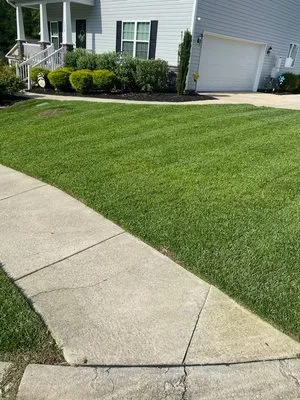
TNT Lawn Care is a locally owned and operated lawn service company dedicated to serving homeowners in Huger, SC. We understand the common local challenges of dead lawn patches and dying shrubs, which ...
CJ's Lawn Service is a trusted local lawn care provider serving Goose Creek, SC, and surrounding areas. We specialize in comprehensive lawn maintenance, including mowing, edging, and fertilization, ta...
Daddy's Boy Lawn Service
Daddy's Boy Lawn Service is a trusted, family-owned lawn and tree care provider serving Alvin and the surrounding communities. We specialize in comprehensive lawn care, expert tree services, and profe...
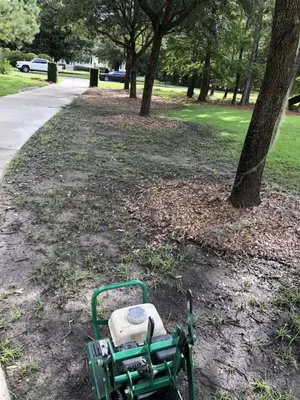
Thorn Lawn & Sod Contractors, LLC operates as a progressive landscape company serving the Lowcountry, with extensive experience maintaining sites across the Charleston area for both commercial and res...

J and A Lawn Care and Pressure Washing is a trusted local business in Conway, SC, dedicated to solving common landscaping challenges faced by homeowners. We specialize in addressing yard drainage prob...
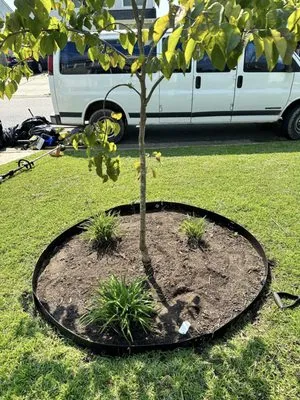
Zambil Landscaping is a licensed landscaping company serving North Charleston, SC, and the surrounding communities. Established in 2023, we specialize in comprehensive outdoor services including lands...
Klean With Tee is a Charleston-based service provider dedicated to helping residents reclaim their time through reliable cleaning and landscaping solutions. Founded by Tee, who brings personal passion...
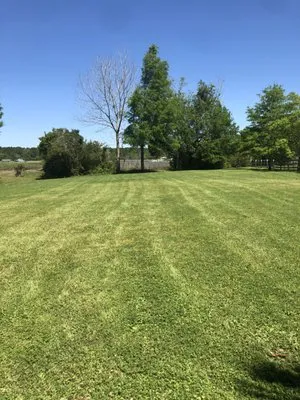
Grass Cutters of Charleston is a locally owned and operated landscaping service dedicated to enhancing outdoor spaces in Charleston, SC. We specialize in comprehensive lawn care and tree services, inc...
Farah Property Services is your trusted local partner for property management, landscaping, and handyman services in Myrtle Beach, SC. We understand the unique challenges faced by homeowners and prope...
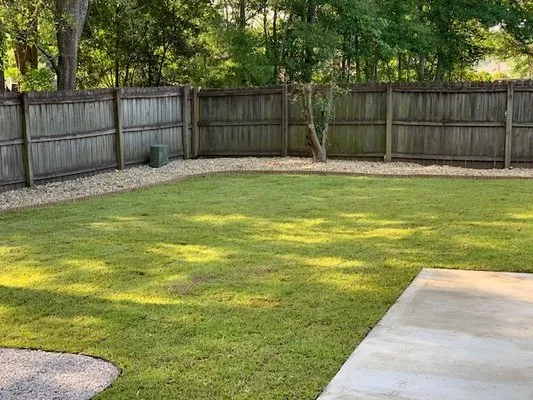
Chasin’ Roots is a dedicated lawn service company serving North Charleston, SC. We understand the common challenges local homeowners face, such as dealing with sprinkler leaks that waste water and mon...
Estimated Landscaping Service Costs in Georgetown, SC
Q&A
How quickly can you respond for an emergency tree cleanup after a storm?
For urgent HOA compliance or safety issues, we dispatch crews from our staging area near the Georgetown Harborwalk. Using US-17, we can typically reach most Historic District properties within the 20-30 minute window noted for peak storm response. Our transition to an electric maintenance fleet allows us to operate within standard noise ordinance hours starting at 7:00 AM without disturbance, facilitating earlier response times.
My yard holds water after heavy rains. What's a long-term solution?
A high water table and tidal flooding are common challenges in Georgetown. The native acidic sandy loam can become saturated. Installing permeable clay pavers for patios or walkways increases ground absorption and reduces surface runoff. This approach often meets the City of Georgetown Planning and Zoning Department's standards for stormwater management by mitigating flow into the municipal system. For severe cases, integrating a French drain with these pavers creates a comprehensive drainage cell.
What should I do about invasive vines or weeds taking over my garden?
Common invasive species alerts for Zone 8b include Chinese Privet and Japanese Climbing Fern. Manual removal is often the first, most targeted step. For persistent issues, herbicide application must be precise and follow label instructions. Critically, any fertilizer used in remediation must comply with the local ordinance prohibiting phosphorus unless a soil test confirms a deficiency. This prevents nutrient runoff into our sensitive coastal watersheds.
Are permeable clay pavers a better choice than wood for a new patio?
For longevity and fire resilience, clay pavers are superior. Unlike wood, they do not rot, warp, or attract termites, and their permeability manages stormwater. In a Moderate Fire Wise rating area, creating defensible space is prudent. Non-combustible hardscape materials like clay pavers provide a critical barrier, slowing fire spread and protecting structures. Their durability and performance in our humid, coastal climate offer a greater lifetime value.
How can I keep my lawn healthy during Stage 1 water restrictions?
Smart Wi-Fi ET-based irrigation controllers are the precise tool for voluntary conservation. These systems adjust watering schedules daily based on local evapotranspiration data, weather forecasts, and soil moisture. For Centipede or St. Augustine grass, this means applying water only when and where the turf truly needs it, preventing overwatering. This technology is the most effective method to maintain turf health while adhering to municipal water use guidelines.
What permits and credentials should I verify before hiring for grading work?
Any significant grading or earth-moving on a 0.25-acre lot typically requires a permit from the City of Georgetown Planning and Zoning Department to ensure compliance with drainage and erosion control ordinances. You must also verify the contractor holds appropriate licensing through the South Carolina Department of Labor, Licensing and Regulation (LLR). This licensing is a legal safeguard, confirming the professional carries required insurance and understands state construction practices.
Is there a lower-maintenance alternative to my traditional lawn?
Transitioning sections of high-input turf to a palette of native plants like Muhly Grass, Yaupon Holly, and Purple Coneflower significantly reduces water, mowing, and chemical needs. This xeriscaping principle builds climate resilience. Furthermore, as municipalities consider stricter regulations on gas-powered equipment, a landscape centered on natives minimizes reliance on noisy blowers and mowers, future-proofing your property against evolving noise ordinances.
Why does my soil seem so compacted and thin in my Historic District yard?
Properties built around 1978 have soil ecosystems that are now roughly 48 years old. In Georgetown's acidic sandy loam, decades of foot traffic and conventional maintenance have likely depleted organic matter and increased compaction. This soil profile restricts root growth and water infiltration. A core aeration and application of composted organic matter in early spring can rebuild soil structure and biology, directly addressing this legacy condition.
