Top Landscaping Services in Fort Mill, SC, 29707 | Compare & Call
There are 91 landscaping companies server in Fort Mill SC

Paul and Zach's Yard Care and Car Cleaning is your trusted local solution in Fort Mill, SC, offering comprehensive lawn services and professional car cleaning. We specialize in lawn care, including ad...
Grayson South LLC
Grayson South LLC is a Fort Mill-based landscaping and design firm specializing in comprehensive outdoor solutions for local homeowners. We address common regional challenges like moss growth in lawns...
Southeastern Tree & Landscaping
Southeastern Tree & Landscaping is a family-owned and operated business serving York County, SC, and surrounding areas since 1948. With over 70 years of experience spanning three generations, we provi...
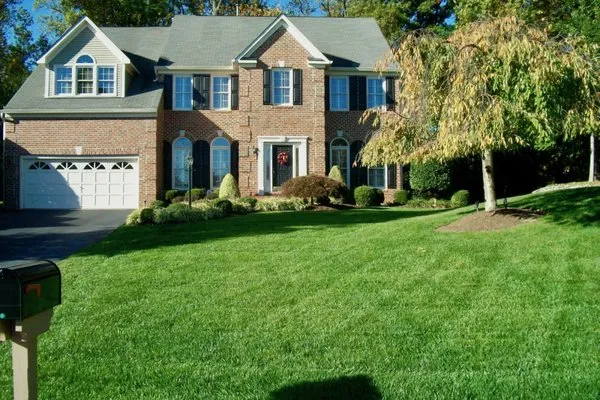
AMR Services is a full-service landscaping and construction company serving Rock Hill, SC. We help homeowners transform their properties by addressing common local challenges like patchy, struggling l...
Clark's Landscape & Irrigation is a dedicated, locally-owned landscaping company serving Fort Mill, SC. We specialize in diagnosing and solving the common local yard problems of dying shrubs and patch...
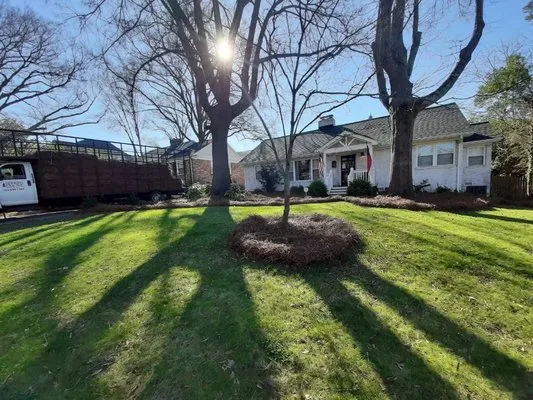
Premier Pine Straw LLC is a family-owned lawn service business based in Ruby, SC, serving Pageland, the Queen City, and surrounding areas since 2010. Founded by Cristian and his wife, the company spec...

Victoria's Irrigation Systems
Victoria's Irrigation Systems is a Fort Mill-based expert in crafting enduring outdoor environments through comprehensive hardscaping, irrigation, and lighting solutions. We specialize in transforming...
Newell's Do All Landscaping is a trusted Fort Mill, SC, landscaping company dedicated to solving common local yard problems. Many homeowners in our area struggle with issues like dying shrubs and irri...

Carolina Creations Landscaping is a Fort Mill-based landscaping company dedicated to enhancing residential properties through thoughtful design and reliable construction. We specialize in a comprehens...
Club Landscape is a trusted Fort Mill, SC, landscaping company dedicated to solving the specific yard challenges homeowners face in our community. We specialize in diagnosing and treating the root cau...
Estimated Landscaping Service Costs in Fort Mill, SC
Common Questions
What should I verify before hiring a contractor to regrade my backyard?
Any significant grading or earthwork on a 0.25-acre lot requires due diligence. First, confirm the contractor holds a valid license from the South Carolina Contractors' Licensing Board. Second, consult the Town of Fort Mill Planning & Zoning Department; regrading that alters drainage patterns often requires a permit to ensure compliance with sediment control and runoff regulations. Unlicensed work can void insurance and create liability for property damage.
Our lawn seems thin and water runs off quickly. Is this common for newer homes here?
Homes built around 2010, common in Downtown Fort Mill, often have immature soil. The native Cecil Sandy Clay Loam was likely compacted during construction, leading to poor percolation and a weak root zone. Soil maturity takes 10-15 years to develop naturally. A soil test will confirm the pH, likely in the 5.5-6.5 range, and guide the application of organic compost and the need for annual core aeration to improve structure.
A storm knocked down a large limb. How quickly can a crew arrive for an emergency cleanup?
For urgent HOA compliance or safety issues, our dispatch from Walter Elisha Park prioritizes access to I-77. This routing typically allows a crew with electric chippers and hauling equipment to arrive within the 20-30 minute peak response window. We coordinate with the Town of Fort Mill for debris removal permits if needed, ensuring a swift and code-compliant resolution.
My yard pools water after heavy rain. What's a long-term solution?
High runoff from Piedmont clay compaction is a primary drainage hazard. Solutions begin with subsoil aeration and grading to redirect surface flow. For new patios or walkways, specifying permeable concrete pavers increases ground infiltration, which can help meet Town of Fort Mill stormwater management standards. Integrating a rain garden with native plants like Switchgrass in the drainage path provides biological filtration and further reduces runoff volume.
How can I keep my Tall Fescue healthy during summer without violating water rules?
Under Stage 1 voluntary conservation, efficient water use is critical. Wi-Fi ET-based weather-sensing irrigation systems are the standard. They adjust schedules daily based on local evapotranspiration data, applying water only when the turf needs it. This technology can reduce water use by 20-30% while maintaining Tall Fescue vigor, as it deeply waters during optimal morning hours to minimize evaporation and runoff.
Are permeable pavers a better choice than a wooden deck for a new patio?
For longevity and low maintenance in our climate, permeable concrete pavers are superior. They resist rot, insect damage, and do not require seasonal sealing. Their permeability also mitigates the local runoff issue. For properties in Moderate WUI Zone 2, pavers provide a non-combustible, defensible space material that meets Firewise recommendations, unlike wood, which represents a higher fuel load near the home.
I want a lower-maintenance yard that's quieter and uses less water. What should I plant?
Transitioning high-input turf areas to a xeriscape with Piedmont natives is a forward-looking strategy. Plants like Eastern Redbud, Purple Coneflower, and Beautyberry are adapted to Zone 8a, require minimal irrigation once established, and support 2026 biodiversity goals. This shift reduces mowing frequency and aligns with evolving noise ordinances that restrict early morning gas-powered equipment, favoring quieter electric maintenance.
I see a vine taking over my shrubs. How do I handle it without harming everything else?
Invasive species like Japanese honeysuckle or kudzu are a persistent alert. Correct identification is the first step, as treatment timing is critical. Manual removal is preferred for small infestations. For chemical controls, we follow State BMP guidelines, avoiding applications prior to forecasted heavy rainfall to prevent herbicide runoff. Targeted, spot-treatment methods protect desirable plants like Wild Bergamot and comply with local fertilizer and pesticide ordinances.
