Top Landscaping Services in Duncan, SC, 29334 | Compare & Call
There are 197 landscaping companies server in Duncan SC
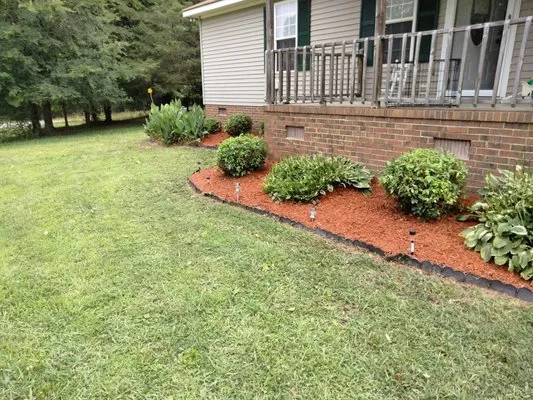
Bailey & Sons
Bailey & Sons is a family-operated service provider in Spartanburg, SC, dedicated to helping neighbors manage their homes and properties. Founded on the principle of working for oneself to spend more ...
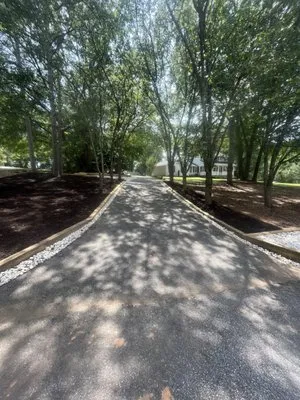
Crescent View Landscapes is a locally owned and operated landscaping company serving Spartanburg, South Carolina. We specialize in comprehensive yard transformations and ongoing maintenance, offering ...

MO's Lawn Care and Landscaping is a trusted, local lawn service provider dedicated to keeping Pauline, SC yards healthy and beautiful. We understand the common challenges homeowners face, like unsight...
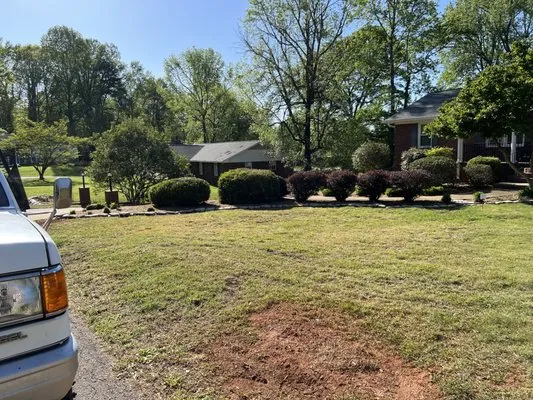
Richards Landscaping and Concept is a trusted local landscaping company serving Inman, SC, and the surrounding areas. With years of experience, we specialize in transforming outdoor spaces into beauti...
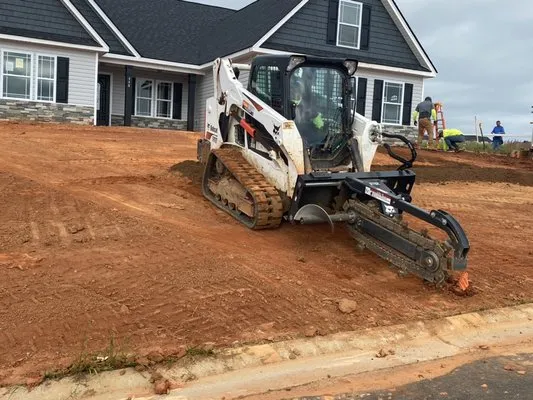
Tinos Lawn And Irrigation is a trusted, locally-owned lawn care provider serving Duncan, SC, and the surrounding communities. We specialize in comprehensive lawn care services designed to combat the s...
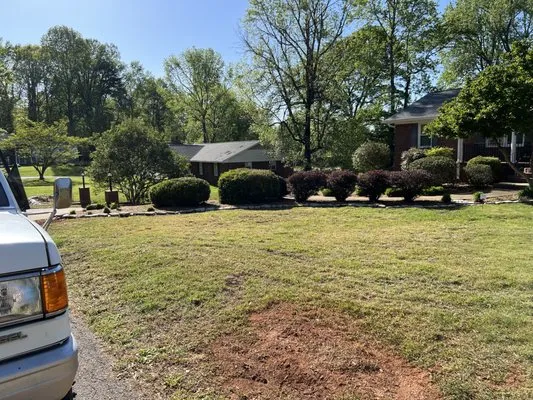
Foothills Landscape Solutions in Inman is your partner for creating and maintaining the outdoor living space you've envisioned. With the motto ""Dream it, Build it, Love it,"" we specialize in turning...
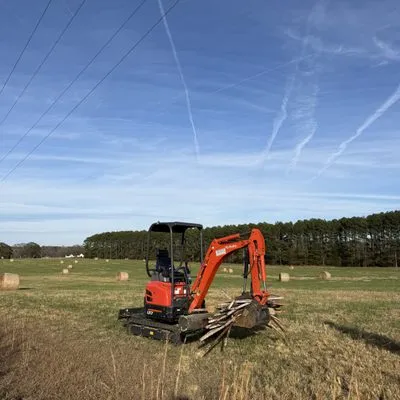
AC Land Management
AC Land Management is a Boiling Springs-based company specializing in junk removal, demolition, and lawn services. We provide reliable solutions for appliance, furniture, electronic, and construction ...
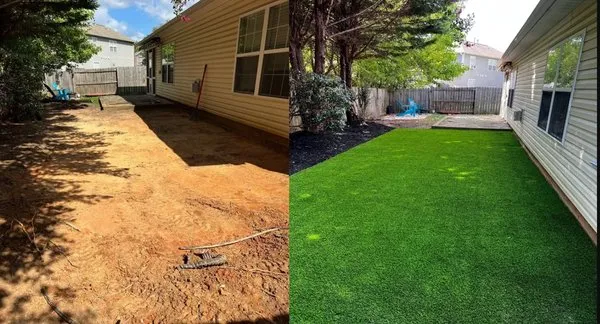
At No Cut Lawns, we specialize in transforming outdoor spaces in Duncan, SC, and the surrounding communities. Our focus is on creating elegant, low-maintenance landscapes that enhance the value and be...
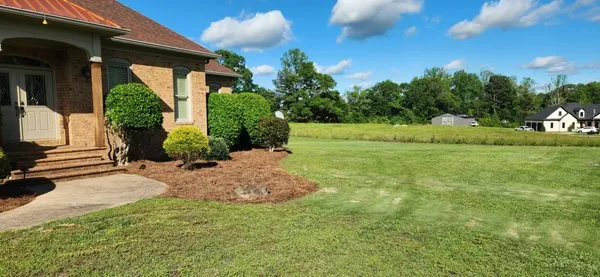
Based in Wellford, Bailey's Lawn Care, LLC is a locally-owned and operated business serving the Upstate since 2024. We specialize in providing consistent, high-quality lawn care for homeowners and bus...
Ricky's Bobcat is a licensed excavation and landscaping contractor serving Spartanburg, SC, and the surrounding Upstate. As a local, owner-operated business, we specialize in residential services, tac...
Estimated Landscaping Service Costs in Duncan, SC
FAQs
How can we maintain Tall Fescue during Duncan's voluntary water conservation periods?
Smart Wi-Fi ET-based weather sensing controllers adjust irrigation schedules using real-time evapotranspiration data from local weather stations. These systems reduce water use 20-40% compared to traditional timers while preserving turf health. Programming deep, infrequent watering cycles encourages deeper root growth in Cecil Sandy Loam. During normal restriction periods, we recommend 1-1.5 inches weekly, applied during early morning hours to minimize evaporation loss.
Can we reduce mowing frequency while maintaining ecological value in our landscape?
Replacing high-maintenance turf with native plant communities significantly reduces weekly mowing needs. Purple Coneflower, Black-eyed Susan, and Switchgrass establish deep root systems that improve soil structure and require minimal irrigation. This transition supports 2026 biodiversity standards while eliminating gas-powered equipment before potential noise ordinance tightening. Eastern Redbud and River Birch provide layered canopy structure that moderates microclimates and supports local pollinators.
We need emergency storm cleanup to meet HOA compliance deadlines. What's your fastest response time?
Our electric maintenance fleet can dispatch from Shipwreck Cove Water Park via I-85 within 20-30 minutes during peak conditions. This routing avoids downtown congestion while complying with Duncan's 7:00 AM - 9:00 PM noise ordinance. We prioritize safety assessments before debris removal, focusing on fallen limbs that pose immediate property hazards. All equipment meets 2026 electric vehicle standards for reduced operational noise.
Our Duncan Center yard seems compacted and drains poorly. Is this typical for our neighborhood's soil?
Duncan Center properties built around 1996 have 30-year-old Ultisols, specifically Cecil Sandy Loam with pH 5.5-6.0. This acidic, clay-heavy soil naturally compacts over decades, reducing permeability and creating seasonal saturation. Core aeration with organic amendments like composted pine bark improves soil structure by increasing pore space and microbial activity. Regular soil testing every 2-3 years helps maintain optimal pH for nutrient availability.
What invasive species should we watch for in Duncan, and how do we treat them safely?
Cogongrass and Japanese stiltgrass pose significant threats in USDA Zone 8a, outcompeting native vegetation and altering soil chemistry. Treatment involves targeted glyphosate applications during active growth phases, avoiding South Carolina's N-P-K nutrient management blackout dates typically in summer months. Manual removal before seed set prevents spread, while maintaining 3-4 inches of organic mulch suppresses germination. Regular monitoring during early March peak mulching season catches infestations before establishment.
Our yard floods seasonally due to high clay content. What solutions work with Duncan's runoff standards?
Cecil Sandy Loam's clay fraction causes poor percolation during saturation periods. Permeable concrete pavers or crushed granite hardscapes allow 3-5 inches per hour infiltration, meeting Town of Duncan Planning & Zoning Department runoff requirements. French drains with clean gravel and geotextile fabric provide subsurface drainage paths. For severe cases, regrading with 2% slope away from structures creates positive surface flow while maintaining soil integrity.
What permits and licensing are required for grading work on our 0.28-acre lot?
Grading that alters drainage patterns or moves more than 50 cubic yards of soil requires Town of Duncan Planning & Zoning Department approval. Contractors must hold South Carolina Contractors' Licensing Board certification for earthwork operations, ensuring proper erosion control and sediment management. On 0.28-acre lots, even minor grading can impact neighboring properties, necessitating professional surveys and engineered solutions. Unlicensed grading risks significant fines and may void property insurance during storm events.
Should we choose concrete pavers or wood for our new patio considering fire safety?
Concrete pavers provide superior longevity and fire resistance compared to wood, with 50+ year lifespans versus wood's 15-25 years with maintenance. In Duncan's Moderate Firewise USA rating zones, non-combustible materials create defensible space within 30 feet of structures. Crushed granite offers additional permeability benefits while maintaining firebreak functionality. Both materials withstand seasonal soil saturation better than wood, preventing rot and maintaining structural integrity during wet periods.
