Top Landscaping Services in Darlington, SC, 29532 | Compare & Call
There are 123 landscaping companies server in Darlington SC

Demery Innovation is a full-service Sumter, SC contractor specializing in landscaping, general construction, and demolition. We help local homeowners and businesses solve common outdoor problems, incl...

Shady Karolinaz
Shady Karolinaz LLC is a family-owned roofing and construction company serving Columbia, SC, founded by LaToya Corbin and her sons. With years of professional experience, they specialize in roofing, g...
All Landscape Supply
All Landscape Supply is your trusted West Columbia partner for transforming and maintaining beautiful, healthy outdoor spaces. We provide a comprehensive range of services, from landscape construction...
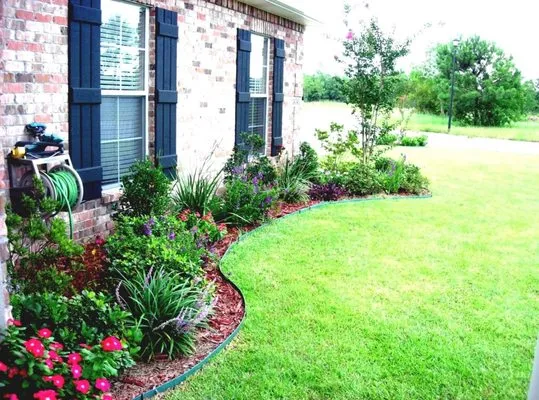
Palmetto Lawn Care Services is a trusted Florence, SC-based provider specializing in comprehensive lawn care solutions for local homeowners. We understand that many Florence properties face common lan...

Maynards Landscaping is a trusted, full-service provider in Darlington, SC, dedicated to enhancing and protecting local properties. We specialize in comprehensive landscape maintenance, expert lawn ca...
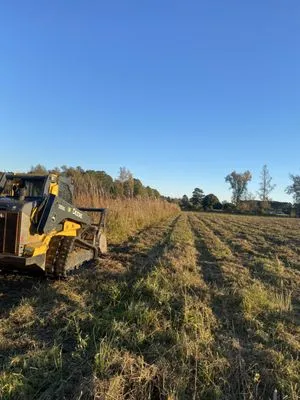
Land Prep Solutions is a full-service landscaping and excavation company serving Fork, SC, and the surrounding areas. We specialize in transforming challenging outdoor spaces into functional, beautifu...
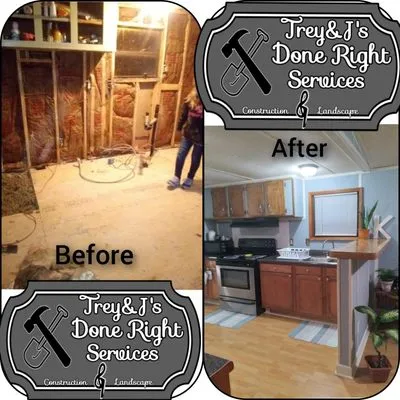
Trey And J's Done Right Services
Trey and J's Done Right Services in Scranton, SC, is a locally owned and operated business founded by Trey and Jason, who combined their expertise to create a comprehensive solution for home and prope...
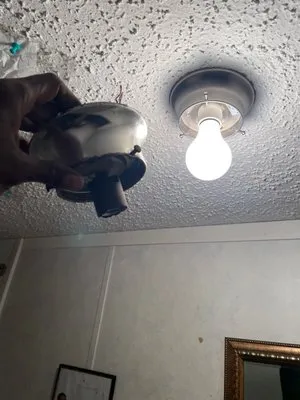
The TMMG Helping Hand Foundation is a service-oriented organization in Florence, SC, dedicated to providing reliable home services while strengthening our community. We specialize in plumbing, carpent...

Land Development of Florence
Land Development of Florence is a dedicated, family-run business serving Coward, SC, and the surrounding Pee Dee and Grand Strand areas. Founded by a husband and wife team, our work is rooted in a gen...
NLS & Landscaping
For over 30 years, NLS & Landscaping has been a trusted family-owned business serving Lake City, SC, and surrounding counties with reliable, affordable landscaping solutions. We specialize in comprehe...
Estimated Landscaping Service Costs in Darlington, SC
FAQs
How can we keep our Centipede Grass alive during summer while following the city's water conservation request?
Stage 1 voluntary conservation aligns with smart irrigation. Wi-Fi ET-based controllers adjust watering schedules daily using local evapotranspiration data, applying water only when the turfgrass needs it. For Zone 8a, this typically means deep, infrequent cycles that encourage deeper Centipede or Bermuda grass roots. This method can reduce potable water use by 20-30% while maintaining turf health within municipal guidelines.
Our Historic Downtown Darlington yard seems compacted and doesn't drain well. Is this just age?
Properties built around 1970, like many here, have soils with a 56-year maturity cycle. Ultisols, our sandy loam base, naturally compact over decades under routine foot and mower traffic, reducing percolation. The inherent low pH (5.5-6.2) also limits microbial activity crucial for soil structure. Core aeration and incorporating 2-3 inches of composted organic matter are critical to rebuild porosity and cation exchange capacity for healthier root zones.
We're tired of weekly mowing and gas blower noise. Are there lower-maintenance, quieter options?
Transitioning high-input turf areas to a xeriscape of native plants like Beautyberry, Purple Coneflower, and Switchgrass drastically reduces mowing and blowing. This plant community is adapted to our sandy loam and requires minimal supplemental water. The shift supports 2026 biodiversity goals and preempts tightening noise ordinances by eliminating gas-powered maintenance, relying instead on electric trimmers and seasonal manual cutbacks.
Our yard has soggy spots every spring. What's a lasting solution for this sandy loam soil?
Seasonal high water tables and moderate runoff are common in Ultisols. Improving subsurface drainage involves regrading to create a 2% slope away from foundations and installing French drains in chronic wet areas. For hardscapes, specifying permeable clay brick pavers in patios or walkways increases infiltration, which can help projects meet Darlington County Planning & Zoning Department runoff standards by reducing impervious surface load.
A storm dropped a large limb and we need an emergency cleanup to meet HOA rules. How fast can a crew arrive?
For HOA compliance or storm emergencies, our dispatch from the Darlington County Courthouse area allows a peak response of 20-30 minutes. Crews travel via SC-34 to I-95, optimizing route efficiency. We coordinate arrival windows to comply with standard quiet hour ordinances, utilizing electric chippers and hauling equipment to begin immediate debris management and site stabilization upon arrival.
We want to regrade our 0.35-acre lot. What permits and contractor credentials should we verify?
Significant grading on a 0.35-acre parcel typically requires a land disturbance permit from the Darlington County Planning & Zoning Department to control erosion and sedimentation. The contractor must hold appropriate licensing through the South Carolina Department of Labor, Licensing and Regulation, which ensures they are bonded and understand state BMPs. This protects you from liability related to improper drainage or runoff impacting adjacent properties.
Is a clay brick patio a good long-term choice compared to wood, and does it affect our fire safety rating?
Clay brick pavers offer superior longevity to wood, with a lifespan exceeding 50 years and minimal maintenance in our climate. As a non-combustible material, brick contributes positively to defensible space in the Wildland-Urban Interface, supporting the Low Fire Wise rating standard. Its thermal mass also moderates patio temperature, and when installed with permeable joints, it manages runoff more effectively than solid concrete slabs.
We see invasive vines choking our trees. How do we remove them without harming anything or breaking fertilizer rules?
Common invasives like English Ivy or Japanese Honeysuckle require careful mechanical removal, cutting vines at the base and peeling them from the bark. Herbicide, if needed for resprouting, must be a targeted, non-volatile formula applied via cut-stump method to avoid drift. This work must be scheduled outside the state BMP blackout dates for nitrogen applications to ensure compliance and protect surrounding native plants like Eastern Redbud.
