Top Landscaping Services in Clover, SC, 29703 | Compare & Call
There are 104 landscaping companies server in Clover SC
Owens Landscaping is a trusted local landscaping company serving Clover, SC, and the surrounding areas. We specialize in comprehensive landscape maintenance and improvement services designed to addres...
Magnolia Lawncare is a trusted lawn service provider serving Clover, SC, and surrounding areas. We specialize in addressing common local landscaping challenges like dying shrubs and dead lawn areas th...
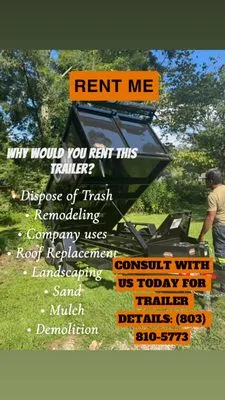
Burris Dumpster Rental is your York, SC, neighbor for responsible waste removal and property cleanup. We help local homeowners tackle common landscaping problems like bare lawn patches and insect dama...
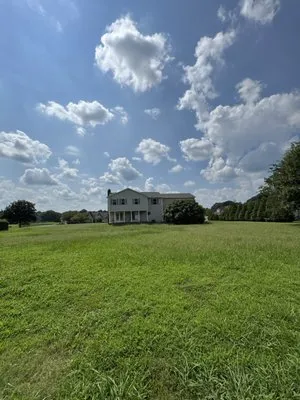
Car’s Custom Lawn Care is a local, owner-operated lawn service in McConnells, SC, founded by Christian in 2025. The business is built on a simple promise: delivering reliable, affordable lawn care tha...
Estimated Landscaping Service Costs in Clover, SC
Q&A
Our yard seems compacted and drains poorly. Is this typical for Downtown Clover properties?
Properties in Downtown Clover built around 1991 have 35-year-old soil systems that often exhibit compaction in Cecil Sandy Clay Loam. This soil type naturally has high clay content, which reduces permeability over time without intervention. Core aeration every 2-3 years combined with organic amendments like composted pine bark can improve soil structure and water infiltration. Regular soil testing for pH 5.5-6.2 helps determine specific amendment needs for optimal plant health.
We need emergency storm debris cleanup to meet HOA compliance deadlines. How quickly can you respond?
Emergency response from New Centre Park via SC-55 typically requires 20-30 minutes during peak conditions. Our electric maintenance fleet operates within Clover's noise ordinance restrictions (9 PM to 7 AM), allowing for early morning deployment when needed. We prioritize routes that minimize travel time while ensuring proper equipment for efficient debris removal and landscape restoration to meet compliance standards.
We're considering patio materials. How do concrete pavers compare to wood for longevity and safety?
Concrete pavers and crushed granite offer superior longevity to wood in Clover's climate, with 25+ year lifespans versus wood's 10-15 years with maintenance. These non-combustible materials support Clover's moderate fire-wise rating by creating defensible space without fuel accumulation. Unlike wood, they don't require chemical treatments that can leach into soil, and their permeability reduces runoff compared to solid concrete, meeting local stormwater management requirements.
What permits and licenses are needed for grading work on our 0.35-acre property?
Grading on 0.35 acres in Clover requires a permit from the Clover Planning and Zoning Department for any earth movement exceeding 50 cubic yards. Contractors must hold appropriate licensing through the South Carolina Department of Labor, Licensing and Regulation, particularly for excavation and drainage work. These regulations ensure proper erosion control, adherence to property line setbacks, and compliance with state BMPs for soil disturbance in Cecil clay conditions.
Water pools in our yard after heavy rains. What solutions work with Clover's soil conditions?
Cecil Sandy Clay Loam's high clay content causes poor percolation, leading to surface ponding common in Clover. Installing French drains with gravel beds and replacing impermeable surfaces with concrete pavers or crushed granite improves permeability. These materials meet Clover Planning and Zoning Department runoff standards while directing water away from structures. For severe cases, regrading with 2% slope and adding rain gardens can manage stormwater effectively.
We've spotted invasive plants in our landscape. How should we handle treatment safely?
Common invasive alerts in Clover include Japanese stiltgrass and Chinese privet, which compete with native species. Treatment involves mechanical removal followed by targeted herbicide applications during active growth periods, avoiding South Carolina BMP blackout dates for phosphorus applications. Always conduct soil testing first to determine if fertilization is needed, as many invasives thrive in nutrient-imbalanced soils. Proper disposal prevents reinfestation and protects local ecosystems.
How can we maintain healthy turf while following Clover's water conservation guidelines?
Smart Wi-Fi controllers with soil moisture sensors optimize irrigation by using ET-based scheduling that accounts for actual plant needs. For Tall Fescue or Centipede grass in Zone 8a, this technology reduces water use by 20-30% while maintaining turf health during voluntary conservation periods. Properly calibrated systems prevent overwatering that leads to surface ponding in Cecil clay soils, ensuring compliance with municipal water limits without sacrificing landscape quality.
We want to reduce maintenance and noise. What are good alternatives to traditional lawn grass?
Replacing high-maintenance turf with native plants like Eastern Redbud, Purple Coneflower, Switchgrass, and Black-eyed Susan creates resilient landscapes requiring less water and care. These species thrive in Zone 8a with minimal irrigation once established, reducing mowing frequency and eliminating gas-powered equipment use during restricted hours. This approach supports 2026 biodiversity standards while creating fire-wise defensible space in Clover's moderate urban-wildland interface zones.
