Top Landscaping Services in Clinton, SC, 29325 | Compare & Call

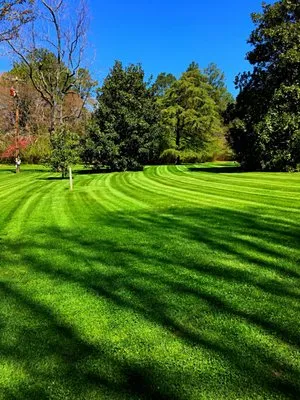
Jeff’s Lawn & Landscape LLC, founded in 2005 by Jeff Wilkie, has been serving Clinton and Laurens County for nearly two decades. With a focus on delivering consistent, quality results, the company com...
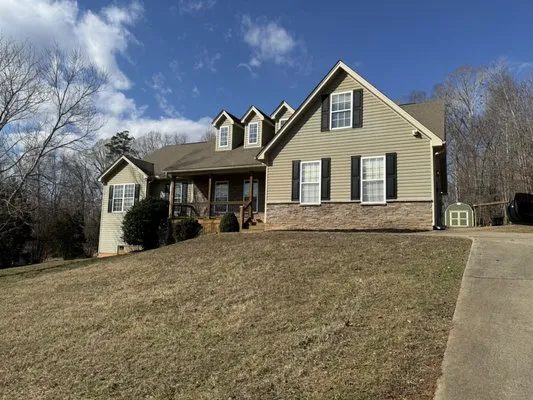
Based in Clinton, SC, AAA Lawncare and Landscape LLC is a dedicated local provider of comprehensive outdoor solutions. We focus on creating and maintaining healthy, beautiful landscapes for homes and ...

J&N Tree Services and More is a family-owned business serving Clinton, SC, with reliable tree care and landscaping solutions. Founded with a commitment to quality, we've grown by treating every proper...
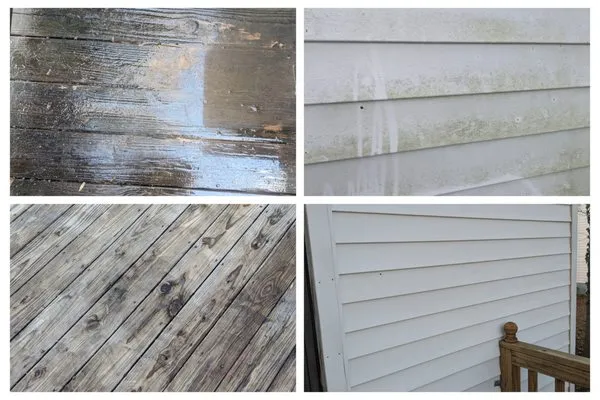
Fat Boy Mowing is your Clinton-based partner for a well-maintained property. We provide reliable lawn care and pressure washing services, handling everything from routine mowing to specialized soft wa...

Davenport Farm & Scrap
Davenport Farm & Scrap is your trusted local solution for landscaping, irrigation, and junk removal in Clinton, SC. We understand that homeowners here often face challenges like poor lawn grading and ...

Southern Grove Landscaping And Irrigation
Southern Grove Landscaping And Irrigation is a full-service landscape company based in Clinton, SC, with over 25 years of experience serving Greenwood and the surrounding Lakelands communities. We spe...

B & B Lawncare is a family-owned lawn service business in Clinton, SC, with deep roots in the community. Founded during the pandemic to help neighbors who preferred to stay indoors, the business conti...

S&B Lawn Care is a dedicated lawn service provider serving Clinton, SC, and the surrounding areas. We specialize in comprehensive lawn care designed to address the specific challenges faced by local h...
Copeland Landscaping Services is a trusted, full-service landscaping company serving Clinton, SC, and the surrounding areas. We specialize in transforming outdoor spaces through comprehensive services...
Carolina Beautiful is a dedicated landscaping partner for homeowners and businesses in Clinton, SC, and the surrounding Laurens County area. We provide a full suite of services to create and maintain ...
Q&A
How can I keep my Tall Fescue lawn green without wasting water or violating restrictions?
Under normal voluntary conservation, the key is precision. Smart, Wi-Fi ET-based irrigation controllers use local weather sensing to apply water only when and where it's needed, matching the evapotranspiration rate. This technology prevents overwatering the clay-heavy soil, which can lead to runoff and ponding. By programming deep, infrequent cycles, you maintain turf health while staying well within municipal water use expectations.
Is there a lower-maintenance, quieter alternative to my traditional lawn?
Absolutely. Transitioning sections of high-input turf to a planting of native Eastern Redbud, Purple Coneflower, and Switchgrass creates a resilient, biodiverse landscape. These plants require minimal watering, no frequent mowing, and little to no fertilization. This approach future-proofs your property against tightening noise ordinances that restrict gas-powered blowers and aligns with 2026 standards for ecological landscaping.
What permits and credentials should I verify before hiring for a major landscaping project?
Any significant grading, drainage, or structural work on a 0.25-acre lot requires due diligence. The contractor must hold appropriate licensing through the South Carolina Department of Labor, Licensing and Regulation. Furthermore, projects altering water flow or involving substantial hardscape likely need a permit from the Clinton Planning & Development Department. Always request proof of both to ensure the work is legal, insured, and performed to code.
Are concrete pavers or wood decking better for a long-lasting patio in Clinton?
For durability and reduced maintenance, concrete pavers or local fieldstone are superior to wood. They do not rot, warp, or require sealing and have a much longer lifespan. In the context of Clinton's moderate Firewise rating, these non-combustible materials also contribute to creating defensible space around your home, a key consideration for reducing wildfire risk in interface zones.
What invasive species should I watch for, and how do I control them safely?
Be alert for invasive vines like Japanese Honeysuckle or ground covers like English Ivy, which can outcompete natives like Beautyberry. Manual removal is most effective for small infestations. For targeted chemical control, always follow state BMP guidelines, which prohibit application before forecasted heavy rainfall to prevent herbicide runoff into waterways. Proper timing and method protect your soil biology and comply with local regulations.
How fast can you respond to an emergency like a storm-damaged tree or an HOA violation notice?
For urgent situations in Downtown Clinton, we dispatch from a central location near Clinton City Hall. Using I-26 for primary access, our electric utility vehicles can typically navigate to most properties within a 20-30 minute window, even during peak traffic associated with storm response. This allows for rapid assessment and mitigation to address safety hazards or compliance deadlines efficiently.
Why is my soil so compacted and poor, and what can I do about it?
The average home in Downtown Clinton was built around 1968, giving the soil nearly 60 years to settle and degrade. The native Ultisols, specifically Cecil Sandy Loam, naturally compact and leach nutrients over decades. This process creates a dense layer that restricts root growth and water percolation. To restore health, core aeration and amendments of composted organic matter are essential to rebuild structure and correct the acidic pH range of 5.5 to 6.2.
My yard holds water after a rain. What's a lasting solution for drainage?
Surface ponding is a common issue with the high clay content in Cecil Sandy Loam, which has very low permeability. A functional solution involves regrading to create positive slope away from foundations and installing French drains. For new hardscapes, specifying permeable concrete pavers or local fieldstone set in a gravel base can significantly increase infiltration, helping your project meet the Clinton Planning & Development Department's stormwater runoff standards.
