Top Landscaping Services in Clemson, SC, 29630 | Compare & Call
There are 196 landscaping companies server in Clemson SC
TF Yard and Tree is a Seneca-based company providing comprehensive outdoor and home care services for residents and businesses in the area. They specialize in tree care, including pruning for better l...

BC Lawn Care has been a trusted landscaping partner in Easley, SC, and the Upstate region for over a decade. Our team of experienced professionals specializes in comprehensive landscape services, from...
Super Lawn is a trusted lawn care provider serving Central, SC, dedicated to maintaining beautiful, healthy lawns for local homeowners. We specialize in comprehensive lawn care services that directly ...
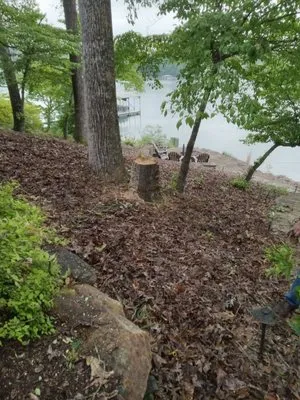
Douglas Tree is a trusted tree service and landscaping company serving Seneca, SC, and the surrounding areas. We specialize in comprehensive shrub and tree care, including maintenance, pruning, remova...
Charles Lawn & Landscaping is your trusted local partner for maintaining a healthy, beautiful property in Seneca, SC. We understand the specific challenges homeowners here face, from yard drainage pro...
Joe's Family Lawn Care is a trusted, family-owned lawn service provider serving Pendleton, SC, and the surrounding areas. We specialize in comprehensive lawn care solutions designed to address common ...
SK Lawn Maintenance is your trusted, local lawn care expert serving Six Mile, SC, and the surrounding areas. We understand the specific challenges homeowners here face, from persistent lawn fungus dis...
Johnnys Lawncare is a trusted lawn service provider in Anderson, SC, dedicated to helping local homeowners maintain healthy, beautiful yards. We specialize in comprehensive lawn care, addressing commo...
Cut It Up Lawncare is a trusted, locally-owned lawn service provider serving Central, SC, and the surrounding communities. We specialize in comprehensive lawn care solutions designed to tackle the mos...
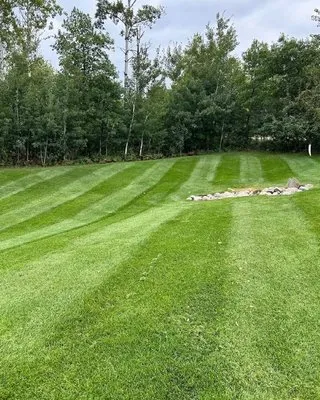
Done Wright Lawn Care is Seneca's trusted partner for keeping lawns healthy and beautiful. We understand the specific challenges local homeowners face, such as landscape edging damage from weather and...
Estimated Landscaping Service Costs in Clemson, SC
Questions and Answers
We want to regrade our backyard. What permits and contractor qualifications are needed?
Regrading a 0.22-acre lot in Clemson often requires an Erosion and Sediment Control permit from the City of Clemson Planning & Codes Administration. The contractor must hold appropriate licensing through the South Carolina Department of Labor, Licensing and Regulation, as moving earth can impact drainage patterns and structural foundations. Always verify this licensing before work begins to ensure liability coverage and code compliance.
We're tired of weekly mowing and gas-powered noise. Are there lower-maintenance landscape options?
Transitioning high-input turf areas to a matrix of native plants like Switchgrass, Purple Coneflower, and Beautyberry reduces mowing frequency and fuel use. This xeriscaping approach aligns with Clemson's noise ordinance, which restricts gas-powered equipment overnight, and prepares for broader electric fleet adoption. A biodiverse planting supports pollinators and requires no supplemental phosphorus fertilizer under local ordinance.
Our yard floods after heavy rain. What's the best way to fix drainage in our clay soil?
Compaction-related runoff is endemic to Cecil clay soils. The solution integrates grading for positive surface flow and subsurface strategies like French drains. Replacing impervious surfaces with permeable clay pavers can meet City of Clemson Planning & Codes Administration runoff standards by allowing infiltration. For severe cases, a dry creek bed of native stone provides both function and a natural aesthetic.
Is a wood deck or a paver patio better for longevity and fire safety in our area?
Permeable clay pavers offer superior longevity and align with Firewise principles for Moderate WUI Zone 2 compliance. Unlike wood, which requires chemical treatments and decays, pavers provide a permanent, non-combustible defensible space. Their installation also directly addresses the site's drainage challenges, a dual benefit that a wood deck cannot provide.
We see invasive vines taking over. How do we remove them safely and legally?
Invasive species like Japanese Honeysuckle and Chinese Privet are an active threat. Manual removal for young plants or targeted, professional-grade herbicide application for mature infestations is required, always following label instructions. A soil test must precede any treatment to comply with the local ordinance prohibiting phosphorus application without a documented deficiency, ensuring remediation doesn't violate nutrient management rules.
How do we keep a Tall Fescue lawn green during a Clemson summer without wasting water?
Under normal voluntary conservation rules, an ET-based Wi-Fi irrigation controller is the technical solution. It calculates daily evapotranspiration using local weather data, applying water only when the Tall Fescue needs it. This method can reduce water use by 20-40% compared to a standard timer, preserving soil moisture and preventing the shallow root development caused by frequent, light watering.
Our Clemson neighborhood has older lawns. Why is the soil so hard and what can we do about it?
Patrick Square homes built around 1989 have 37-year-old landscapes on native Cecil Sandy Clay Loam. This soil type is prone to severe compaction over decades, reducing pore space and water percolation. Core aeration in early fall, combined with top-dressing compost, is critical to rebuild soil structure and introduce organic matter. Without this, turfgrass roots remain shallow and irrigation efficiency drops significantly.
A storm damaged trees and we need an emergency cleanup to meet HOA rules. How quickly can a crew arrive?
For emergency storm response in Clemson, a crew dispatched from the Clemson University Botanical Garden area can route via US-123 to reach Patrick Square within the 20-30 minute peak response window. The priority is to clear public rights-of-way and mitigate safety hazards first, followed by systematic debris removal on private lots to achieve HOA compliance standards.
