Top Landscaping Services in Charleston, SC, 29401 | Compare & Call

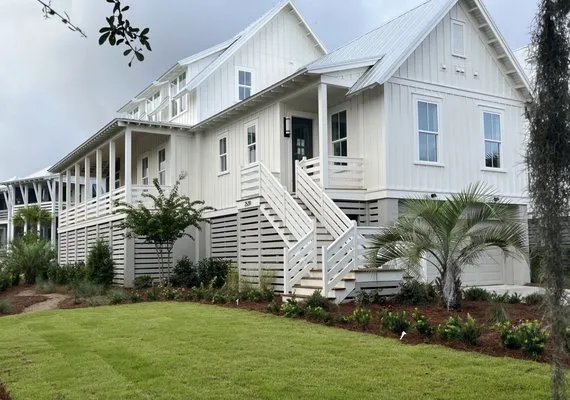
Based in John’s Island and proudly serving Charleston, CHS Contracting is a veteran-owned, full-service landscape and hardscape company. We believe in quality over quantity, providing the same meticul...

JW Landscaping is a trusted lawn care provider serving homeowners across Charleston, SC. We understand the unique challenges of maintaining a beautiful yard in our region, from persistent mulch bed we...
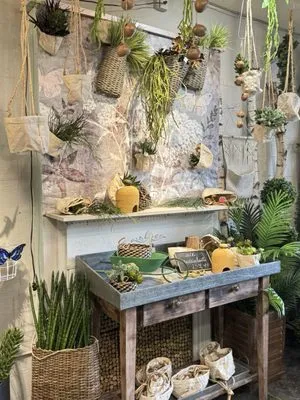
Since 1981, Hyams Garden & Accent Store has been a cornerstone of Charleston's gardening community. More than just a nursery, it's a comprehensive resource where local homeowners find everything from ...
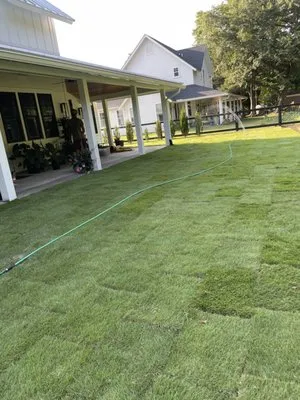
Robert Tuttle, owner of Shaped Landscaping, is a Charleston native with a simple mission: to give you back your weekends. After five years working for other landscaping companies and seeing the need f...
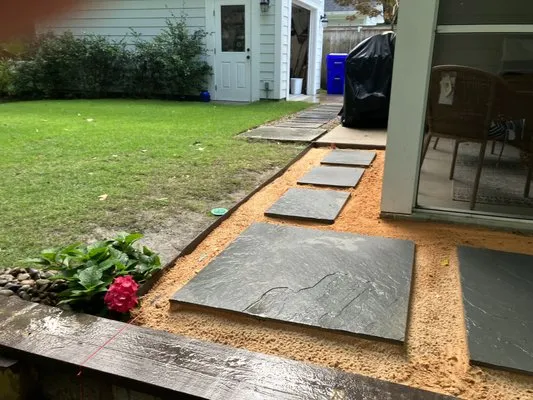
Cypress Landscaping & Design is a locally owned and operated landscaping company serving Charleston, SC, and the surrounding area. With over 15 years of hands-on experience, we provide a comprehensive...
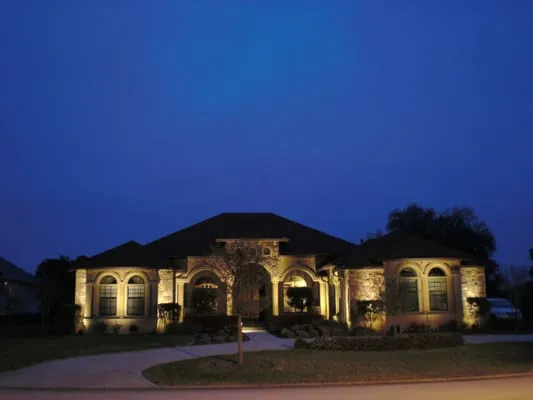
Greatest Scapes Landscaping
Founded in 1998, Greatest Scapes Landscaping has been a trusted name in Charleston for comprehensive outdoor care. We provide full-service solutions for both homes and businesses, focusing on creating...
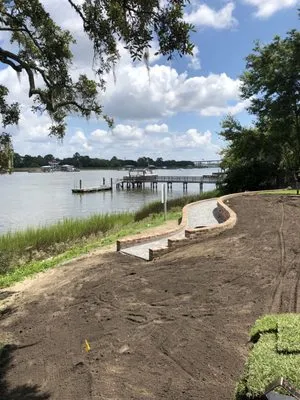
Henry Landscaping is a family-owned business serving Charleston, SC, with over 20 years of expertise in landscaping and irrigation. Specializing in both residential and commercial projects, we focus o...
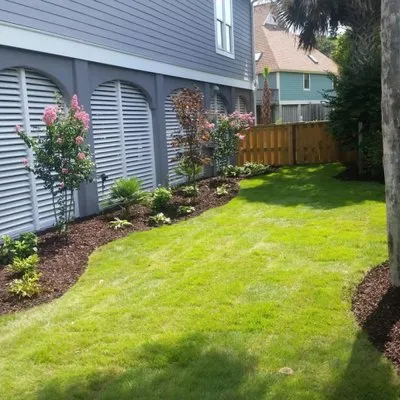
Curb Appeal Landscaping
Curb Appeal Landscaping serves the Mount Pleasant and Charleston, SC area with a comprehensive approach to transforming outdoor spaces. Our work spans from initial irrigation and landscape design to o...
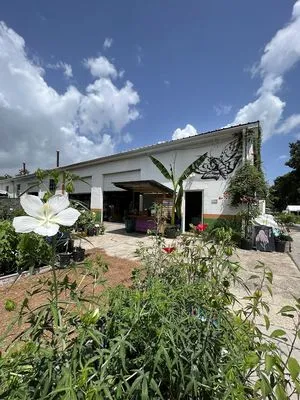
Roots and Shoots Nursery
At Roots and Shoots Nursery in Charleston, we believe your outdoor space should be a thriving, productive extension of the Lowcountry’s natural beauty. I'm the owner, and my background in bioengineeri...
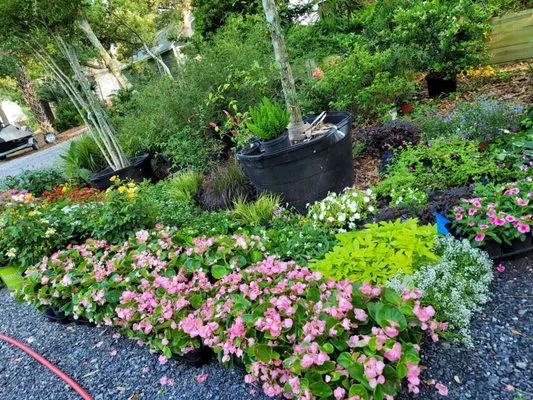
Priority Landscaping is a family-owned, Charleston-based company with deep local roots, founded by William Hampton in 1996. What began as a one-man operation with a mower and a blower on Folly Beach h...
Questions and Answers
With Stage 1 water restrictions, how can I keep my St. Augustine grass alive without wasting water?
Voluntary conservation under Stage 1 is effectively managed with Wi-Fi ET-based weather-sensing irrigation. This system schedules watering based on real-time evapotranspiration data, applying moisture only when needed and skipping cycles after rain. For St. Augustine grass in Zone 9a, this typically means 2-3 deep waterings per week at dawn, which encourages deep roots and maintains turf health while staying well within municipal guidelines.
A storm knocked down branches. What's the fastest way to get an emergency cleanup to stay HOA-compliant?
For an emergency cleanup, our storm response protocol from The Battery uses I-26 for direct access, ensuring a 20-30 minute arrival to South of Broad during peak hours. We coordinate dispatch with local noise ordinances, which restrict powered equipment to 7:00 AM - 9:00 PM. The crew will prioritize debris removal and safety pruning to meet immediate compliance standards before conducting a full site assessment.
I'm tired of weekly mowing. Are there lower-maintenance, eco-friendly alternatives to my lawn?
Absolutely. Transitioning sections of high-maintenance turf to a xeriscape of native plants like Muhly Grass, American Beautyberry, and Swamp Sunflower drastically reduces water, mowing, and chemical needs. This approach future-proofs your landscape against tightening noise ordinances that will restrict gas-powered blowers and mowers. These natives are adapted to local pests, drought, and our 9a climate, building biodiversity and resilience.
Our yard pools water after every high tide. What's a long-term solution for poor drainage?
High tidal flooding and poor infiltration are chronic issues in coastal sandy loam. A fundamental solution is regrading to create positive drainage away from structures and installing French drains. Complement this by replacing impervious surfaces with permeable clay brick pavers, which meet City of Charleston runoff standards by allowing water to percolate into the subsoil, reducing surface pooling and stormwater load.
A vine is taking over my hedges. How do I deal with invasive species here?
Common invasive alerts in Charleston include Japanese Climbing Fern and Chinese Tallow. Manual removal is the first step, ensuring all root systems are extracted. For persistent problems, a targeted, systemic herbicide applied in fall is most effective. Any soil amendment or follow-up treatment must comply with the local fertilizer ordinance, which prohibits phosphorus unless a soil test confirms a deficiency, to prevent nutrient runoff into our waterways.
We want to regrade our yard. What permits and contractor checks are required?
Any significant grading or earthwork on a 0.15-acre lot in Charleston requires a permit from the Department of Planning, Preservation and Sustainability to ensure compliance with drainage and zoning codes. You must hire a contractor licensed by the South Carolina Contractors' Licensing Board for this work. This licensing guarantees they carry proper insurance, understand local soil conditions and ordinances, and are legally accountable for the project's execution.
Our lawn in South of Broad has always struggled. Does the age of our property affect the soil?
Properties built in 1993, common in your area, have soils with over 30 years of maturation. In Coastal Sandy Loam, this often results in a compacted layer that restricts root growth and water percolation. This is exacerbated by the low organic matter typical of this soil type, which has a naturally acidic pH of 5.5-6.5. To restore health, we recommend core aeration followed by top-dressing with compost to improve structure and nutrient-holding capacity.
We're adding a patio. Is wood or brick better for longevity and safety in our area?
Permeable clay brick pavers are superior for Charleston's humid, saline environment. Unlike wood, they do not rot, warp, or attract termites. Their permeability aids drainage, and their non-combustible nature contributes to a 'Moderate' Fire Wise rating by creating defensible space in the coastal urban interface. Brick offers centuries of durability with minimal maintenance, aligning with both preservation standards and modern resilience goals.
