Top Landscaping Services in Capitol View, SC, 29209 | Compare & Call
There are 186 landscaping companies server in Capitol View SC

Layman Landscape is a trusted lawn care provider serving Irmo, White Rock, Ballentine, and parts of Columbia and Lexington. We specialize in affordable, reliable lawn maintenance, including mowing, ed...
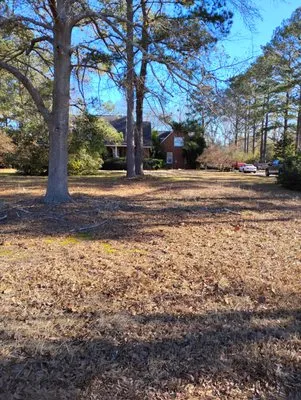
Midlands Extreme Lawn Care provides Columbia homeowners with dependable, personal lawn and garden care. We focus on building a direct, one-on-one relationship with you, offering responsive service whe...

Grass Monkey Landscaping is a licensed and insured landscaping company serving Columbia, SC, and surrounding areas. We specialize in comprehensive landscape solutions, from design and construction to ...
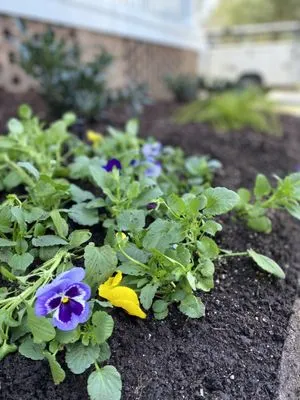
Yard Rehab By Oasis is a Columbia-based irrigation and landscaping company dedicated to transforming local outdoor spaces. We specialize in comprehensive solutions for common Columbia landscaping chal...
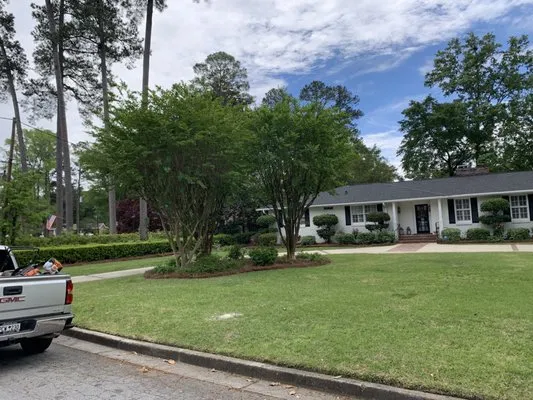
Soda City Lawn Care is a Columbia, SC-based lawn service provider dedicated to maintaining healthy, vibrant lawns for local homeowners. We specialize in comprehensive lawn care solutions that address ...
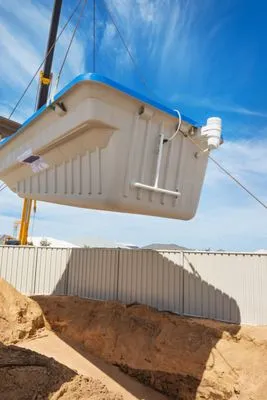
Backyard Paradise in West Columbia, SC, is a local company that specializes in transforming outdoor spaces into functional, beautiful extensions of your home. We provide a comprehensive range of servi...
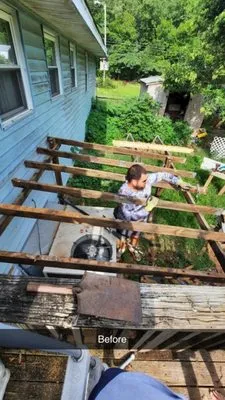
George's Woodworks and Lawn Maintenance is your trusted Lugoff neighbor for comprehensive lawn care and custom woodworking solutions. Specializing in landscaping, fence installation, and carpentry, Ge...
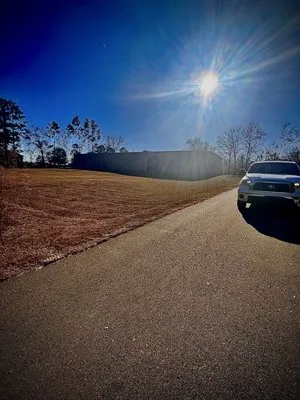
Honey Badger Lawn Care & Landscaping
Honey Badger Lawn Care & Landscaping is a locally-owned and operated business in West Columbia, SC, led by owner Chris Dawson. We specialize in comprehensive landscaping and lawn care services, offeri...
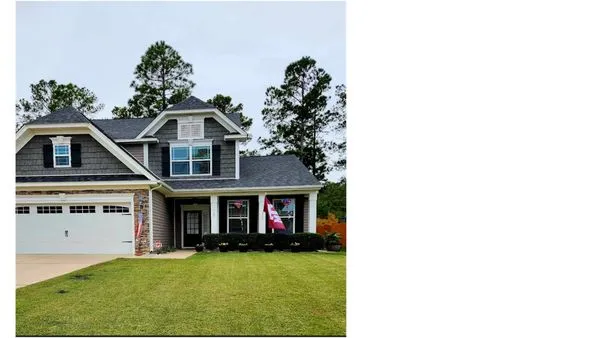
GardeningDash Lawn Services is a veteran-owned and locally operated business in Columbia, SC, founded by a retired U.S. Army Officer. Combining a passion for nature with the discipline and strategic p...
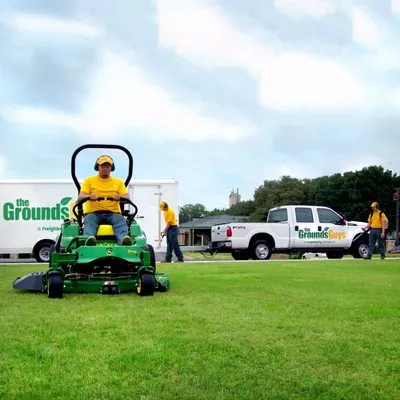
The Grounds Guys of Columbia brings a trusted, family-founded approach to landscaping and lawn care in Columbia, SC. Starting with ten brothers in 1987, The Grounds Guys has grown into a community-foc...
Estimated Landscaping Service Costs in Capitol View, SC
FAQs
My yard floods after heavy rain. What's a lasting solution?
Pooling water indicates the common Capitol View issue: sandy loam topsoil over a dense clay subsoil with poor permeability. Installing a French drain system tied to a dry well addresses subsurface water, while regrading surface contours directs runoff away from foundations. Using permeable concrete pavers for any new patios or walkways increases infiltration, often a requirement from Columbia Planning & Development Services for managing stormwater on-site.
How quickly can you respond for an emergency storm cleanup to meet HOA deadlines?
For urgent compliance work, our dispatch from the Capitol View Veterans Memorial Park area uses I-26 for direct access, targeting a 25-35 minute arrival during peak hours. We maintain dedicated electric equipment fleets that comply with local noise ordinances, allowing us to begin work immediately upon arrival within permitted hours. This logistics model ensures rapid debris management and turf repair to prevent violation notices.
Are permeable pavers a better long-term choice than wood decking?
For durability and fire resilience, permeable concrete pavers outperform wood. They have a 40+ year lifespan with minimal maintenance and will not rot or attract termites. Their permeability meets modern runoff standards, and their non-combustible nature contributes directly to defensible space requirements for this Moderate Fire Wise rating area. The initial investment is offset by longevity and reduced long-term replacement costs.
What permits and licenses are needed to regrade my backyard?
Regrading a 0.22-acre lot typically requires an erosion and sediment control permit from Columbia Planning & Development Services if more than a certain volume of soil is moved. The contractor must hold a valid license from the South Carolina Contractors' Licensing Board. This ensures they carry proper insurance and adhere to state building codes, which is critical for work that alters drainage patterns and could affect adjacent properties.
What are lower-maintenance alternatives to my high-input lawn?
Transitioning perimeter zones to a matrix of native plants like Switchgrass, American Beautyberry, and Purple Coneflower significantly reduces water, fertilizer, and mowing demands. This xeriscape approach builds biodiversity ahead of 2026 standards and eliminates gas-powered leaf blower use, aligning with the voluntary transition to electric equipment. These deep-rooted natives also improve soil structure and provide year-round habitat, enhancing the landscape's ecological function.
Why is my soil so compacted and acidic, and what can I do about it?
Capitol View Heights properties, with an average build year of 1971, have 55-year-old landscapes where Ultisol sandy loam topsoil has degraded. Decades of foot traffic and conventional maintenance have depleted organic matter, compacted the soil, and leached calcium, stabilizing the pH at 5.5-6.0. Core aeration in early fall followed by a top-dressing of composted leaf mold directly addresses this by improving soil structure and slowly raising pH for better nutrient availability.
Can I keep my TifTuf Bermuda healthy under Stage 1 water conservation rules?
Yes, using Wi-Fi ET-based weather-sensing irrigation is critical for compliance and turf health. This system schedules watering based on real-time evapotranspiration data, applying water only when the lawn needs it, often in the pre-dawn hours to minimize loss. For Ultisol soils, this method promotes deeper root growth in the sandy loam, making the TifTuf more drought-resilient and keeping water use well within voluntary conservation limits.
How should I deal with invasive weeds without using harsh chemicals?
For common invaders like Japanese stiltgrass or Chinese privet in Zone 8a, a targeted non-residual herbicide applied via wick applicator in late spring is effective and minimizes collateral damage. First, a soil test is essential to avoid unnecessary Phosphorus application, as local ordinance prohibits it unless a deficiency is confirmed. Follow-up with dense planting of native groundcovers like partridgeberry suppresses re-establishment by occupying the ecological niche.
