Top Landscaping Services in Camp Croft, SC, 29302 | Compare & Call
There are 127 landscaping companies server in Camp Croft SC
Andrew's Lawn Care is a dedicated, locally-owned lawn service provider serving Spartanburg, SC, and the surrounding communities. We understand that many local homes face common landscaping challenges,...

RoboLawn Rescue is a Spartanburg-based service dedicated to transforming local lawns through automated care. We focus on the professional installation and expert servicing of robotic and AI lawnmowers...
At Ergeon in Greenville, we bring a reliable and tech-forward approach to outdoor projects. Founded by entrepreneurs with a vision to simplify construction, we combine a highly skilled team with user-...
Brown's Tree Service in Campobello, SC, is your local expert for comprehensive tree care, landscaping, and excavation solutions. Serving the Campobello community, we specialize in tree removal, prunin...
Timothy's Landscape & Garden is a locally owned and operated lawn care service in Spartanburg, SC, founded on years of professional landscaping experience. What truly sets us apart is our genuine comp...
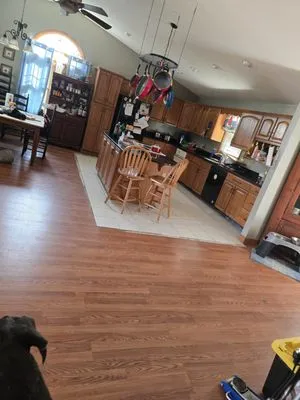
Spartan Home and Garden is your trusted local expert in Spartanburg, SC, specializing in both indoor and outdoor solutions. We provide professional tile installation and comprehensive lawn services to...
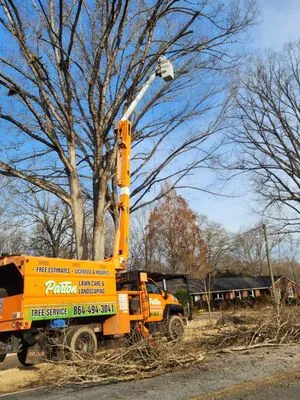
Parton Lawncare is a family-owned tree and lawn service provider serving the Moore, SC community. For over five years, our team has been dedicated to helping local homeowners and businesses maintain h...
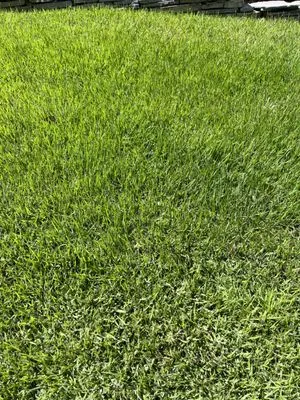
Shurburtt Group
Since 1976, the Shurburtt Group has been a trusted, family-owned name enhancing landscapes across Spartanburg and the Carolinas. With over four decades of dedicated service, we've grown into a premier...
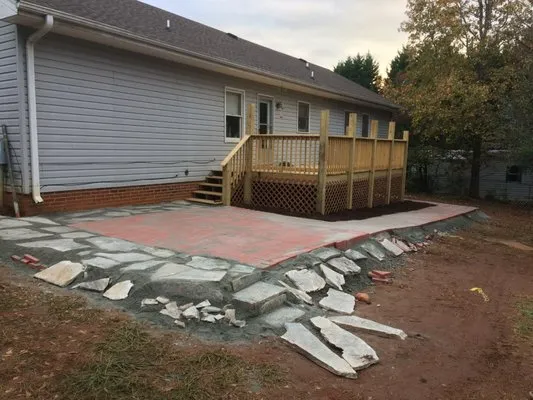
JL & Sons Landscaping
JL & Sons Landscaping is a trusted Spartanburg-based company specializing in comprehensive landscaping, irrigation, and design services. With expertise in landscape construction, maintenance, and irri...
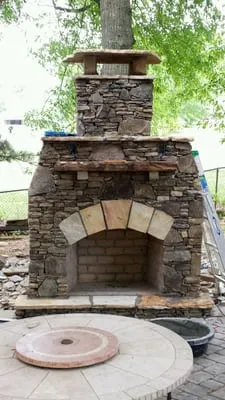
Landscapes Unlimited
Landscapes Unlimited has been a trusted name in Spartanburg and the greater Upstate South Carolina region for over three decades. As a licensed landscaping service, we specialize in transforming ordin...
Estimated Landscaping Service Costs in Camp Croft, SC
Questions and Answers
How should I handle invasive vines like Japanese Honeysuckle or Kudzu?
Invasive species alert: manual removal of vines during dormancy is most effective, ensuring all root material is extracted to prevent regrowth. For persistent woody invasives, a targeted cut-stump treatment with a glyphosate-based herbicide applied directly to the fresh cut is recommended. This spot-treatment method minimizes overspray and complies with local phosphorus-free fertilizer ordinances near waterways, avoiding broad-scale applications that impact soil and water health.
Are permeable pavers a durable option compared to traditional wood decking?
Permeable concrete pavers offer superior longevity and functionality compared to wood. With a lifespan exceeding 25 years and minimal maintenance, they provide a stable, non-combustible surface. This is a key consideration for Moderate (WUI Zone 2) Fire Wise ratings, as pavers contribute to defensible space by eliminating flammable organic material immediately adjacent to the home. Their permeability also directly addresses the clay-based drainage hazards prevalent in the area.
Do I need a permit to regrade my backyard for better drainage?
Yes, significant grading on a 0.45-acre lot typically requires a permit from Spartanburg County Planning & Development. Regulations govern the volume of soil moved and its impact on stormwater management. Furthermore, any contractor performing this work must hold appropriate licensing through the South Carolina Department of Labor, Licensing and Regulation. This ensures compliance with erosion control best practices and protects you from liability related to improper water diversion onto adjacent properties.
What are lower-maintenance alternatives to a traditional lawn?
Transitioning high-input turf areas to a matrix of native plants like Switchgrass, Purple Coneflower, and Beautyberry significantly reduces water, mowing, and chemical needs. This xeriscaping strategy builds pollinator habitat and aligns with evolving municipal noise ordinances that restrict gas-powered blowers. An established native planting requires only seasonal cutbacks, operates within the natural rainfall pattern, and provides year-round ecological function beyond mere aesthetics.
How can I keep my lawn green during voluntary water conservation?
Under Stage 1 voluntary conservation, smart Wi-Fi weather-based ET controllers are essential. These systems adjust irrigation schedules in real-time based on evapotranspiration data, preventing overwatering. For Tall Fescue or TifTuf Bermuda, this means deeper, less frequent watering cycles that encourage drought-tolerant root systems. Properly calibrated, this technology can reduce potable water use by 20-30% while maintaining turf health within municipal guidelines.
How quickly can a crew respond for an emergency tree cleanup after a storm?
For emergency HOA compliance or safety issues, a crew can typically dispatch from the Croft State Park Visitor Center area. Using I-26, the estimated travel time to most neighborhoods is 35-50 minutes during peak conditions. Response prioritizes downed limbs blocking driveways or threatening structures. The standard noise ordinance window from 7:00 AM to 9:00 PM allows for efficient work upon arrival with electric chainsaws and chippers to minimize disturbance.
What's the best solution for persistent puddling in my yard?
Moderate runoff and puddling are common with Cecil clay's low permeability. The primary solution involves correcting subsurface compaction through vertical mulching or French drains. For new patios or walkways, specifying permeable concrete pavers creates a pervious surface that reduces sheet flow. This approach often meets Spartanburg County Planning & Development's updated stormwater runoff standards by allowing infiltration on-site rather than directing water to neighboring properties.
Why does the soil in my yard seem so hard and compacted?
Properties in the Croft State Park Residential area, typically built around 1968, have over 50 years of soil maturation on the original Cecil Sandy Clay Loam. This soil type is naturally prone to compaction, especially under decades of foot traffic and traditional maintenance. The resulting low permeability restricts root growth and water infiltration. Annual core aeration and the addition of 2-3 inches of composted organic matter are critical to rebuilding soil structure and porosity.
