Top Landscaping Services in Belton, SC, 29627 | Compare & Call
There are 199 landscaping companies server in Belton SC
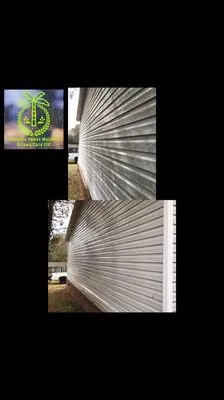
Palmetto Power Washing & Lawn Care is a locally owned and operated business serving Liberty, SC, and the broader Upstate area. Founded by a family man who was born and raised right here in Pickens Cou...
Lee Excavation and Clearing LLC is a trusted local contractor in Anderson, SC, providing comprehensive site work and landscaping solutions. We handle projects from the ground up, starting with land cl...
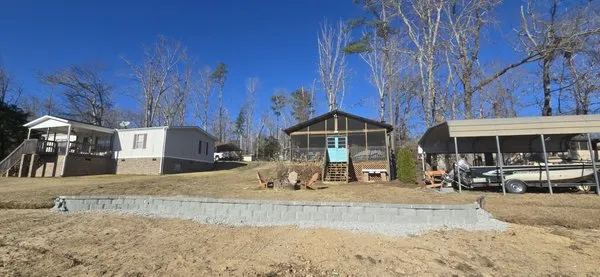
Grasswood Landscaping
Grasswood Landscaping is a Greenwood-based team dedicated to creating beautiful, functional, and sustainable outdoor spaces for our Upstate South Carolina community. We believe a well-maintained lands...
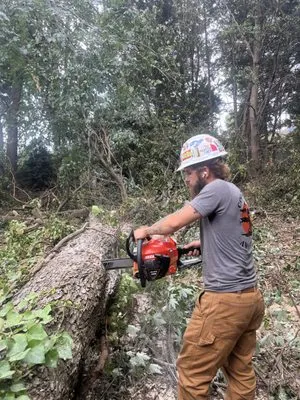
Countryside Lawn Pros is a Travelers Rest-based lawn and landscaping service dedicated to transforming Upstate South Carolina properties. We focus on creating personalized outdoor environments through...

Redeemed Property Preservation
Redeemed Property Preservation in Greenville, SC, specializes in property upkeep, focusing on the specific needs of vacant properties and local homeowners. We combine expertise in junk removal and law...
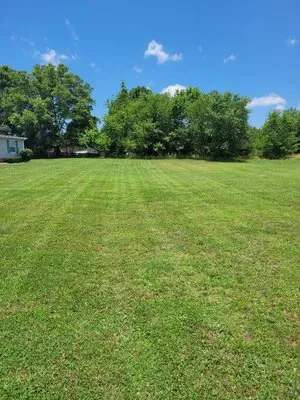
Martin Lawn Management is a trusted local provider serving Inman, SC, with comprehensive lawn and property care solutions. We specialize in lawn care, tree services, and pressure washing for both resi...
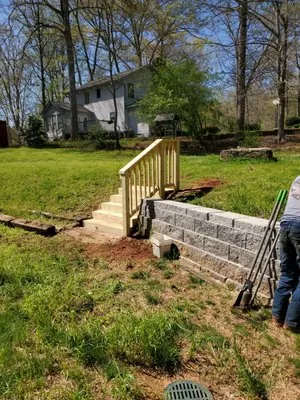
Keowee Landscaping and Hardscape's in Six Mile, SC is a trusted local provider dedicated to enhancing outdoor spaces through professional tree services, lawn care, and masonry/concrete work. With a fo...
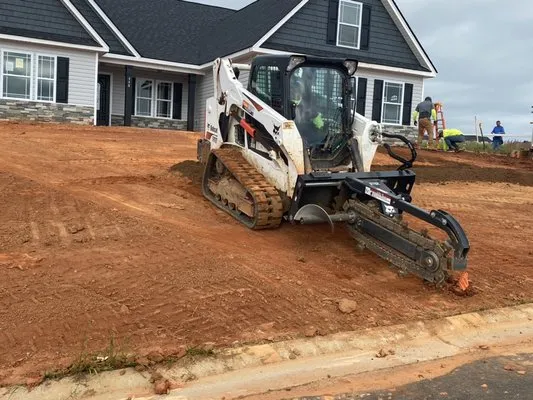
Tinos Lawn And Irrigation is a trusted, locally-owned lawn care provider serving Duncan, SC, and the surrounding communities. We specialize in comprehensive lawn care services designed to combat the s...
Titan Landscaping and Hardscaping
Titan Landscaping and Hardscaping is a Simpsonville-based company dedicated to enhancing outdoor spaces with comprehensive lawn care and hardscaping solutions. We specialize in lawn maintenance, inclu...

JTP Lawn Care and Junk Removal
JTP Lawn Care and Junk Removal is a local Simpsonville, SC business founded in 2019. We provide reliable lawn maintenance and comprehensive junk removal services to both residential and commercial cli...
Estimated Landscaping Service Costs in Belton, SC
Question Answers
How quickly can you respond to storm damage for HOA compliance in Downtown Belton?
Emergency cleanup dispatch routes from the Belton Depot via US Highway 76 achieve 20-30 minute peak response times. This efficiency addresses immediate safety hazards like downed limbs or blocked drainage while meeting typical HOA 48-hour compliance windows. Crews prioritize debris removal and temporary stabilization before implementing permanent restoration solutions.
How do I maintain Tall Fescue during Belton's voluntary water conservation periods?
Smart Wi-Fi ET-based controllers calculate evapotranspiration rates using local weather data, applying water only when turfgrass needs it. These systems typically reduce water use 20-30% while preserving Tall Fescue health. Programming follows municipal guidelines, prioritizing deep, infrequent watering during early morning hours to minimize evaporation and comply with conservation recommendations.
What solutions address moderate runoff in Belton's clay-heavy soils?
Cecil Sandy Loam's high clay content creates surface runoff during heavy rains. Installing permeable concrete pavers or locally sourced granite with gravel bases increases infiltration rates. These materials meet City of Belton Building & Zoning Department runoff standards while directing water away from foundations. French drains with clean stone backfill further mitigate compaction-related drainage issues.
What permits and licenses are required for grading my 0.35-acre Belton property?
The City of Belton Building & Zoning Department requires grading permits for soil movement exceeding 50 cubic yards on residential lots. Contractors must hold South Carolina Department of Labor, Licensing and Regulation certification for earthwork operations. Professional licensing ensures proper erosion control implementation and adherence to slope stability standards, particularly important for Downtown Belton's compact lots where improper grading affects neighboring properties.
Should I replace high-maintenance grass with native plants in my Belton yard?
Transitioning to Purple Coneflower, Black-eyed Susan, and Switchgrass reduces mowing frequency and aligns with evolving noise ordinances limiting gas-powered equipment. Native Beautyberry and Flowering Dogwood require minimal irrigation once established, supporting 2026 biodiversity standards. This approach decreases weekly maintenance while creating habitat for pollinators and reducing carbon emissions from maintenance fleets.
Why does my Downtown Belton yard have such poor drainage and compacted soil?
Belton's 1962-era construction means soil has matured for 64 years, developing the characteristic compaction of Cecil Sandy Loam Ultisols. Downtown lots experience high clay content from decades of foot traffic and minimal organic amendment. This soil type typically has pH 5.5-6.0 and requires annual core aeration with compost integration to improve permeability and root penetration for healthy turf establishment.
What invasive species threaten Belton landscapes, and how do I treat them safely?
Japanese stiltgrass and Chinese privet commonly invade Zone 8a soils, outcompeting native vegetation. Manual removal before seed set combined with targeted herbicide applications during active growth periods controls infestations. All treatments follow South Carolina fertilizer ordinance standards, avoiding sewage sludge products and respecting residential buffer requirements. Proper disposal prevents reinfestation across neighborhood boundaries.
Are concrete pavers better than wood for Belton patios considering fire risk?
Concrete pavers and locally sourced granite provide superior longevity with 30+ year lifespans versus wood's 10-15 years in humid conditions. These non-combustible materials support Firewise USA best practices for moderate-risk zones by creating defensible space around structures. Their thermal mass also moderates temperature fluctuations, reducing irrigation demand for adjacent plantings compared to heat-radiating wood surfaces.
