Top Landscaping Services in Abbeville, SC, 29620 | Compare & Call

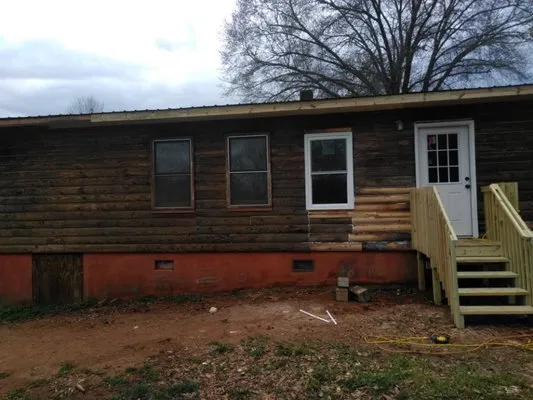
Triple Creek Land Management is a dedicated Abbeville, SC landscaping company focused on tackling the area's most persistent outdoor challenges, particularly aggressive weed infestation and tree root ...
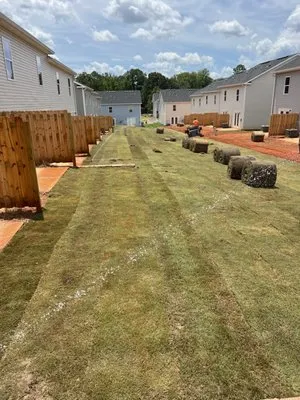
Four Seasons Landscape is a locally owned and operated landscaping company serving Abbeville, SC, and the surrounding communities. Founded in 2011, we specialize in creating and maintaining beautiful,...

Environmental Landscaping Inc
Environmental Landscaping Inc. has been serving Abbeville and the Southeast since 1976, specializing in golf course and athletic field construction, renovation, and maintenance. With nearly five decad...
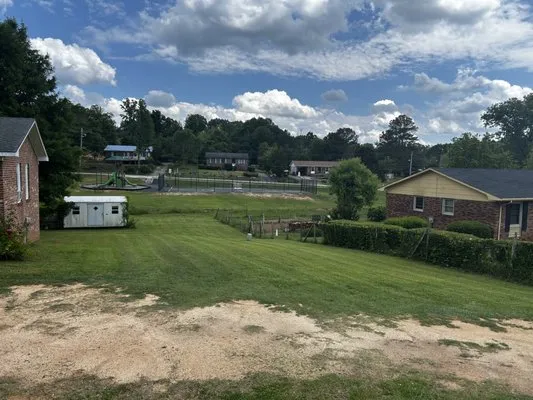
Riley's Lawnmowing And More is a trusted, locally-owned lawn service in Abbeville, SC, dedicated to helping homeowners maintain healthy, beautiful yards. We understand the common local challenges of p...

Sutherland's House & Lawn Services
Sutherland's House & Lawn Services is a locally owned and operated business serving Abbeville and the surrounding communities. We provide a flexible, reliable solution for a wide range of household an...
Triple Creek Land Management is a full-service landscaping company serving Abbeville, SC, and the surrounding areas. We specialize in transforming and maintaining residential and commercial properties...

Desmond's Landscaping is a trusted local landscaping company serving Abbeville, SC, and the surrounding areas. We specialize in diagnosing and treating common local lawn problems, such as lawn fungus ...

Baughman Enterprises is your trusted, dual-service provider in Abbeville, SC, expertly handling both electrical and lawn care needs. As a local, family-oriented business, we understand the specific ch...
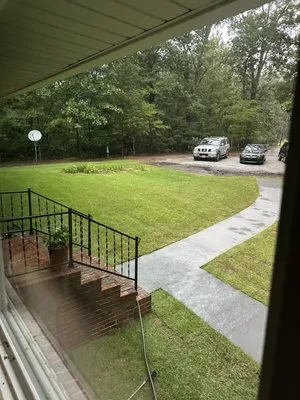
Paradise Valley Land Solutions is a locally owned and operated business serving Abbeville, Greenwood, Anderson, and Greenville Counties in South Carolina. We provide a full spectrum of land management...
Harley and Son Lawn Care is a trusted, family-operated lawn service in Abbeville, SC, dedicated to creating and maintaining healthy, beautiful lawns for local homeowners. We understand the specific ch...
FAQs
Why does my lawn in the Abbeville Historic District seem to struggle with water and nutrients?
Your 1970s-era property has soil about 56 years in development, creating a mature but problematic profile. The prevalent Cecil Sandy Clay Loam becomes severely compacted over decades, reducing permeability and root penetration. This compaction starves turfgrass roots of oxygen and prevents water infiltration, leading to runoff and drought stress. Core aeration in early spring and fall, paired with top-dressing compost, is essential to rebuild soil structure and biological activity.
Is Appalachian Fieldstone a better choice than wood for a new patio?
For longevity and fire resilience, Appalachian Fieldstone is superior. Unlike wood, which decays and requires chemical treatments, this natural stone is permanent, drains well, and needs no sealing. Its non-combustible nature also contributes to a defensible space, supporting your property's 'Moderate' Firewise rating per NFPA 1144 guidelines by creating a fire-resistant zone near structures.
What invasive species should I watch for, and how do I control them safely?
Common invasive alerts in our area include Chinese Privet and Japanese Stiltgrass. Manual removal is effective for small infestations, while targeted, systemic herbicide applications may be necessary for larger stands. All chemical treatments must follow South Carolina's BMPs for Nitrogen, avoiding application before forecasted rain to prevent runoff. Always identify the plant conclusively before treatment to protect desirable native species.
My yard pools water after storms. What's a lasting solution?
Surface pooling indicates the high clay content in Cecil soil has created an impermeable layer. The core solution involves regrading to direct water away from foundations and installing French drains or dry creek beds. For hardscape areas, using permeable Appalachian Fieldstone set in a gravel base allows rainwater to infiltrate naturally, meeting Abbeville County's runoff management standards and recharging groundwater.
What permits and licenses are needed to regrade and landscape my 0.25-acre lot?
Significant grading that alters water flow or involves retaining walls over certain heights requires a permit from the Abbeville County Building & Planning Department. The contractor performing this work must hold the appropriate classification license from the South Carolina Contractors' Licensing Board. For a property of this size, improper grading can impact neighboring lots, making certified professional oversight a legal and practical necessity.
How can I keep my Tall Fescue healthy during summer without wasting water?
Using a Wi-Fi ET-based weather-sensing controller is the most effective method. This technology automatically adjusts irrigation runtimes based on real-time evapotranspiration data, soil moisture, and local rainfall. It applies water only when and where your specific turfgrass needs it, which conserves significant water under Abbeville's voluntary conservation status. This precision prevents overwatering, a primary cause of fungal disease in our humid climate.
How quickly can you respond for an urgent HOA compliance cleanup?
Our standard service response for the Abbeville area is 20-30 minutes. For a dispatch to the Historic District, we route from our central staging near the Abbeville Opera House directly onto SC-72. This allows efficient access, and our electric maintenance fleet operates quietly within the 7 AM to 9 PM noise ordinance window, enabling prompt work without disturbance.
What are low-maintenance alternatives to my high-input lawn?
Transitioning sections to a climate-adaptive xeriscape with regional natives drastically reduces water, mowing, and chemical inputs. Recommended species like Sweetshrub, Purple Coneflower, and River Birch are adapted to Zone 8a's heat and our acidic soil. This landscape supports local pollinators, requires no gas-powered blowers—aligning with future noise ordinance trends—and builds long-term resilience with minimal intervention.
