Top Landscaping Services in Warwick, RI, 02818 | Compare & Call
There are 182 landscaping companies server in Warwick RI
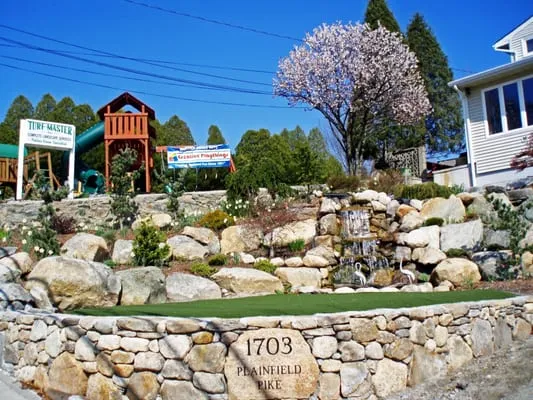
Turf Master has been a trusted name in Johnston and across Rhode Island since 1991. Founded and led by President Radek Molenda, a University of Rhode Island graduate with a Bachelor of Science in Turf...
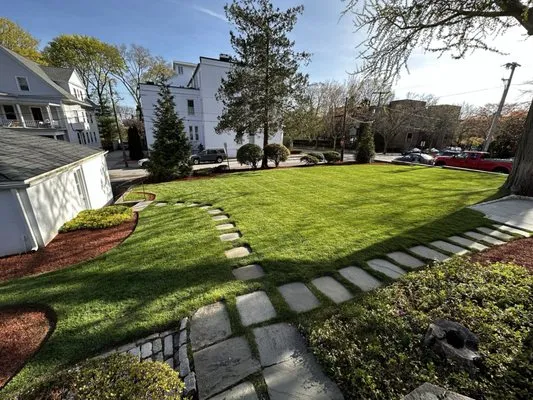
Classic Tree And Landscaping
For over 40 years, Classic Tree And Landscaping has been a trusted name in Cranston, RI, built on a foundation of quality work, reliability, and meticulous attention to detail. As a smaller, family-or...
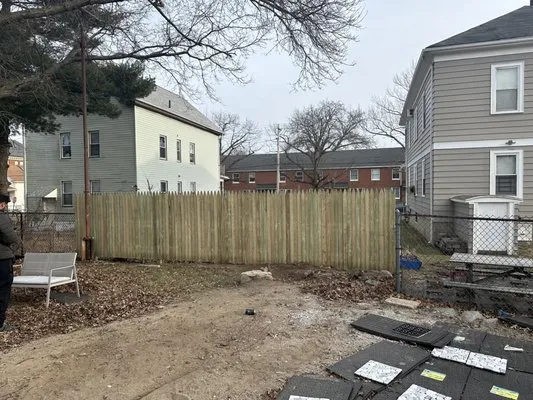
Fence Busters is a Pawtucket-based company specializing in comprehensive property maintenance solutions. With expertise spanning fences and gates, landscaping, and junk removal, we serve homeowners th...
Gavin's & Son Landscaping & Tree Service is a trusted, family-owned business serving Pawtucket, RI, with comprehensive landscaping and tree care solutions. We specialize in landscape maintenance, lawn...
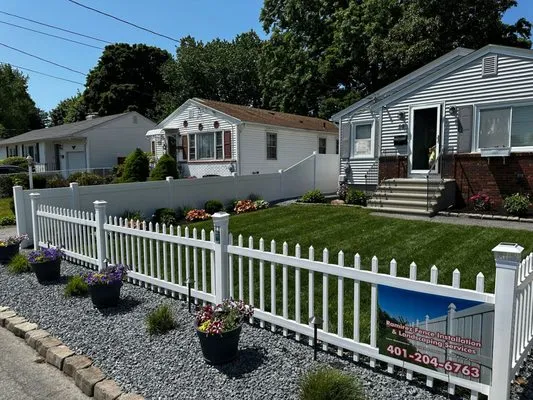
Ramirez Landscaping is a dedicated, locally-owned business serving Pawtucket and surrounding Rhode Island communities. We are a full-service operation, transforming yards into functional and beautiful...
Azeredo Landscaping is a full-service landscaping company based in East Greenwich, RI, serving the community for over 5 years. We specialize in landscaping, tree services, and snow removal, offering c...
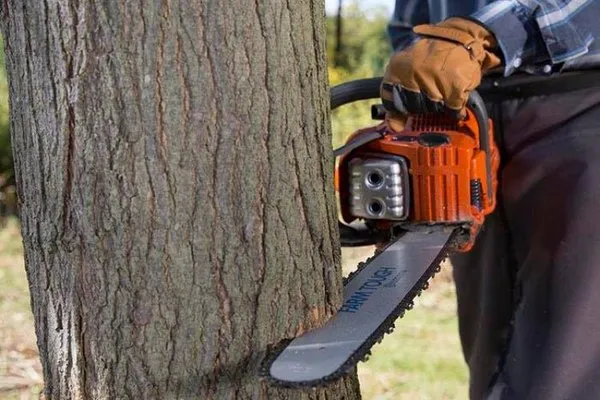
ED Professional Tree Service is a licensed and insured tree care company serving Providence, RI and surrounding Rhode Island communities. With over 20 years of experience, we provide comprehensive tre...
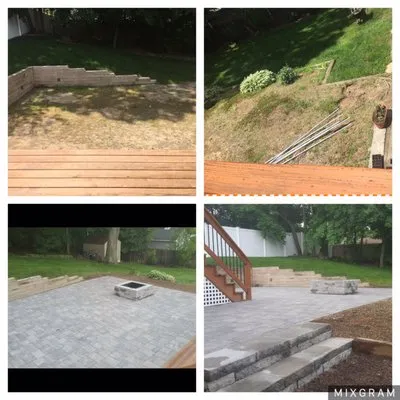
All Seasons Lawn Care was founded by Don, a landscape professional with deep roots in the industry. Growing up in a family-owned construction business in New Jersey, he cultivated a hands-on understan...
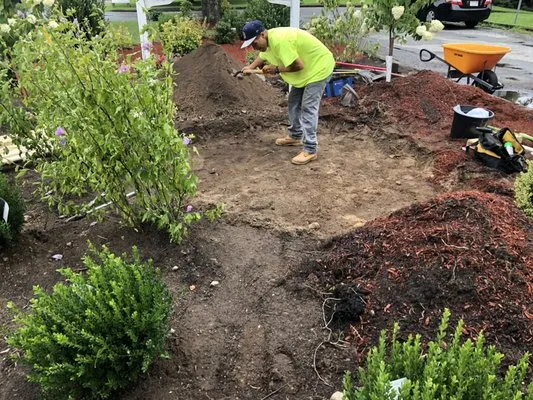
Green Environment Landscaping & Snow Inc is a licensed, full-service provider based in Lincoln, RI, established in 2008. We specialize in landscaping, irrigation, waterproofing, and snow removal for b...
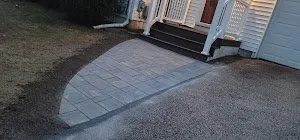
Melvin's Landscaping is a trusted, locally-owned landscaping and tree care provider serving Cranston, RI. We understand the specific challenges homeowners face here, from persistent lawn insect damage...
Estimated Landscaping Service Costs in Warwick, RI
FAQs
What permits and licenses are needed for grading work on my quarter-acre lot?
Grading projects on 0.25-acre lots require Warwick Building Official approval for erosion control and drainage plans. Contractors must hold Rhode Island Contractors' Registration and Licensing Board certification for earthwork exceeding 100 cubic yards. The Planning Department reviews projects impacting property lines or existing drainage patterns. Professional licensing ensures compliance with local ordinances and state environmental regulations. Proper documentation prevents violations and ensures long-term landscape stability.
What invasive species threaten Warwick landscapes, and how do I treat them safely?
Japanese knotweed and oriental bittersweet pose significant risks in USDA Zone 6b. Manual removal before seed set prevents spread without chemical intervention. Targeted herbicide applications require professional certification under Rhode Island's Turf Fertilizer Law. Treatments avoid phosphorus unless soil tests confirm deficiencies, typically during April-May mulching season. Regular monitoring detects new infestations early, preserving native plant communities. Proper disposal prevents recontamination of healthy soil areas.
We need emergency storm cleanup to meet HOA compliance deadlines. How quickly can a crew reach Conimicut?
Emergency response from Warwick City Hall via I-95 typically requires 25-35 minutes during peak conditions. This route allows efficient access to Conimicut for debris removal and safety assessments. Crews coordinate with municipal guidelines to address fallen branches or drainage issues promptly. Scheduling considers Warwick's noise ordinance restricting commercial equipment use between 8:00 PM and 7:00 AM. Rapid deployment helps prevent secondary damage to landscapes and hardscapes.
Should I choose granite or wood for a new patio considering Warwick's climate?
Granite pavers offer superior longevity in Warwick's coastal environment compared to wood's 10-15 year lifespan. This material withstands freeze-thaw cycles in USDA Zone 6b without warping or rotting. Crushed stone bases provide drainage compatible with high water table conditions. Hardscape designs maintain defensible space appropriate for Warwick's low Firewise rating in urban-suburban interfaces. Permeable installations reduce runoff while creating durable outdoor living areas.
Seasonal saturation causes pooling in my yard. What drainage solutions work with Warwick's high coastal water table?
Warwick's acidic sandy loam and high water table require permeable solutions like crushed stone or granite paver systems. These materials allow gradual infiltration while meeting Warwick Building Official runoff standards. French drains or dry wells installed 18-24 inches deep redirect excess water from foundations. Grading adjustments of 1-2% slope promote surface flow away from structures. Proper installation prevents soil erosion and complies with local drainage regulations.
How can I maintain Kentucky Bluegrass and Fine Fescue during Warwick's Stage 1 water restrictions?
Wi-Fi ET-based weather sensing irrigation adjusts watering schedules using real-time evapotranspiration data. This technology reduces water use by 20-30% compared to traditional timers while preserving turf health. Systems deliver precise moisture to root zones during early morning hours to minimize evaporation. Programming aligns with municipal voluntary conservation measures by avoiding peak demand periods. Regular calibration ensures efficient operation without violating local water guidelines.
Our Conimicut neighborhood has older homes, and my lawn seems compacted. Why does this happen with Warwick's soil?
Warwick's acidic sandy loam soil in Conimicut has developed over 66 years since typical 1960 construction, leading to reduced permeability. This soil type naturally compacts under foot traffic and equipment, restricting root growth and water infiltration. Core aeration every 1-2 years alleviates compaction by creating channels for air and water. Incorporating organic amendments like compost improves soil structure and nutrient retention. Proper management maintains turf health while respecting the Rhode Island Turf Fertilizer Law's phosphorus restrictions.
Can I reduce mowing and gas equipment use by replacing some lawn areas?
Transitioning to native plants like Coastal Panic Grass, Northern Bayberry, Sweet Pepperbush, and Butterfly Weed creates low-maintenance landscapes. These species require minimal watering once established and support local pollinators. Electric maintenance equipment operates quietly within Warwick's 8:00 PM to 7:00 AM noise restrictions. Reduced turf areas decrease weekly mowing needs from April to October. This approach aligns with 2026 biodiversity standards while lowering carbon emissions from gas-powered blowers and mowers.
