Top Landscaping Services in Smithfield, RI, 02814 | Compare & Call
There are 185 landscaping companies server in Smithfield RI
Commercial Lawn Care is a dedicated lawn services provider in Lincoln, RI, focused on creating and maintaining healthy, resilient lawns for local homeowners. We understand the common challenges faced ...
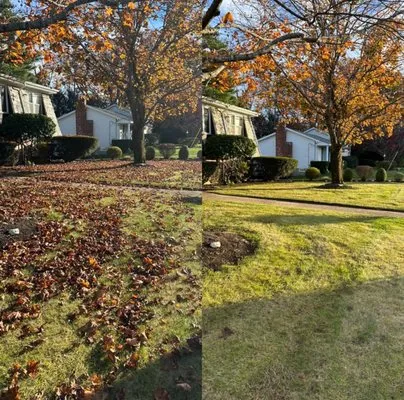
Weed Eater Lawn Care is a dedicated lawn service provider in Smithfield, RI, specializing in comprehensive lawn care solutions tailored to local conditions. We understand that Smithfield homeowners of...
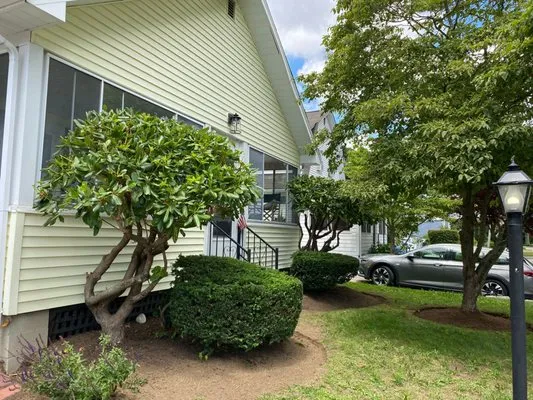
JP Landscaping is a trusted, local landscaping company serving homeowners and businesses throughout North Providence, RI. We specialize in addressing the specific lawn challenges common to our area, p...
Precise Cut Landscaping is a trusted local landscaping company serving North Providence, RI, dedicated to solving common residential landscaping challenges. Many homeowners in the area struggle with p...
Landscaping in North Providence, RI, involves designing, installing, and maintaining outdoor spaces to enhance curb appeal and functionality. This business specializes in addressing common local issue...
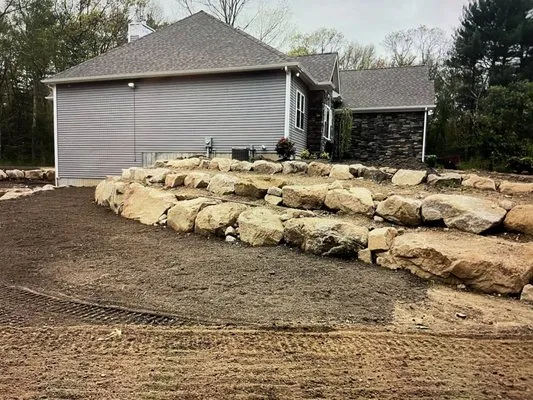
Simone Landscaping & Excavation Services is a trusted, locally-owned landscaping company serving Johnston, RI, and surrounding areas. We specialize in comprehensive landscaping and excavation solution...

Kasht Property Management is a trusted local provider in Providence, RI, specializing in landscaping and snow removal services. We understand the common challenges Providence homeowners face, such as ...
J and S Landscaping is a Providence-based company owned and operated by Santos, an architectural landscaper dedicated to enhancing local outdoor spaces. We specialize in a comprehensive range of servi...
Revive Home Services is a trusted local home services provider in Providence, RI, with over 25 years of experience transforming properties. We specialize in landscaping, window washing, and pressure w...

GS Masonry & Landscaping is a Providence-based contractor specializing in masonry, concrete, and comprehensive landscaping services. Serving Rhode Island homeowners, we address common local issues lik...
Estimated Landscaping Service Costs in Smithfield, RI
Frequently Asked Questions
What permits and licenses are needed for grading my half-acre property?
Grading projects on 0.50-acre lots in Smithfield require erosion control permits from the Building and Zoning Department. Contractors must hold active registration with the Rhode Island Contractors' Registration and Licensing Board, specifically endorsements for excavation and land development. These regulations ensure proper stormwater management in areas with high water tables. Unlicensed grading can violate municipal codes and create liability for downstream flooding in Esmond's glacial till topography.
What solutions work for seasonal flooding in my Smithfield yard?
High water tables in glacial till require engineered drainage systems. Permeable concrete pavers and granite cobblestone installations increase surface infiltration rates from near-zero to 5-10 inches per hour. We design French drains with clean stone aggregate that meet Smithfield Building and Zoning Department runoff standards. These systems redirect water from foundations while maintaining the soil's natural pH balance, crucial for acidic sandy loam environments with poor natural infiltration.
How quickly can you respond to emergency storm damage for HOA compliance?
Our electric maintenance fleet operates within Smithfield's 7 AM to 7 PM commercial hours for noise compliance. From our staging area near Deerfield Park, we access Esmond via I-295 with a 20-30 minute peak response time. This allows rapid debris removal and safety hazard mitigation while meeting municipal stormwater management requirements. We prioritize electrical hazards and blocked access routes during initial emergency cleanup operations.
How do I maintain Kentucky Bluegrass during Smithfield's voluntary water restrictions?
Smart Wi-Fi soil moisture sensor controllers optimize irrigation by tracking evapotranspiration (ET) rates and soil permeability. These systems apply water only when sandy loam reaches critical dryness, typically 1-2 inches weekly for fine fescue blends during peak ET periods. This approach reduces municipal water use by 30-40% while maintaining turf health. Programming follows Stage 1 conservation guidelines with deep, infrequent watering cycles that encourage deeper root growth in acidic soils.
Can I reduce maintenance while preparing for stricter noise ordinances?
Replacing high-maintenance turf with native plantings creates resilient landscapes. Eastern Red Columbine, Butterfly Weed, New England Aster, and Little Bluestem require minimal irrigation once established and support local pollinators. These plantings eliminate weekly mowing and reduce gas-powered equipment use ahead of anticipated electric fleet mandates. Native systems develop deep root networks that stabilize Smithfield's sandy loam while providing year-round visual interest with minimal chemical inputs.
Are granite cobblestones worth the extra cost compared to wood decking?
Granite cobblestone and permeable concrete pavers provide 50+ year lifespans versus wood's 15-20 years in Smithfield's Zone 6b climate. These materials create defensible space per moderate Firewise ratings by eliminating combustible materials within 30 feet of structures. Their thermal mass moderates microclimates while allowing root zone aeration. Properly installed hardscapes require no chemical treatments and maintain permeability rates that exceed local runoff requirements for 0.50-acre lots.
How do I control invasive species without violating fertilizer regulations?
Japanese knotweed and garlic mustard pose significant threats in Smithfield's moderate Firewise zones. Mechanical removal during early growth stages avoids phosphorus fertilizer restrictions under Rhode Island law. For persistent infestations, targeted glyphosate applications in fall minimize drift and protect native plants. We schedule treatments outside municipal blackout dates while incorporating mycorrhizae inoculants to rebuild soil biology. Regular monitoring prevents re-establishment in the acidic sandy loam common throughout Esmond.
Why does my Smithfield lawn have such poor soil quality compared to newer neighborhoods?
Your Esmond property, built around 1974, has soil that has matured for approximately 52 years. This acidic sandy loam (pH 5.5-6.2) is typical of older Smithfield neighborhoods where glacial till deposits create poor infiltration. Over decades, compaction from foot traffic and equipment has reduced soil percolation. Core aeration and organic amendments like composted leaf mold are necessary to improve soil structure and microbial activity in these established lots.
