Top Landscaping Services in Providence, RI, 02901 | Compare & Call

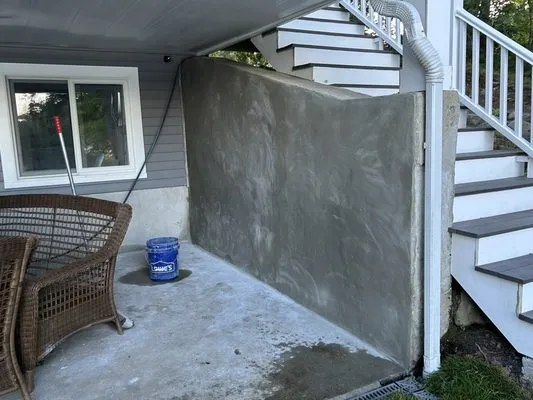
Figueroa’s Landscaping & Masonry is a Providence-based, licensed contractor dedicated to enhancing the outdoor living spaces of Rhode Island homes. We specialize in transforming properties through exp...
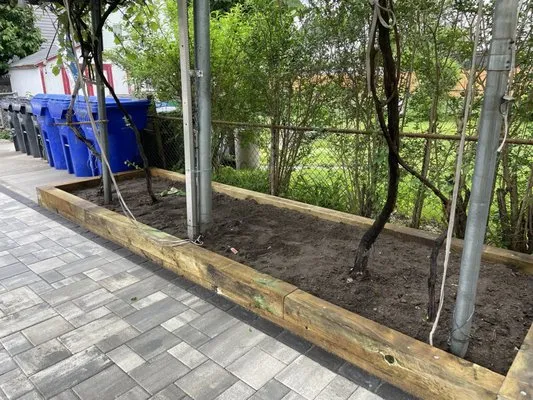
Nelson Landscaping is a trusted, licensed provider of landscaping, hardscaping, and masonry services in Providence, Rhode Island. Founded by Nelson, who has over a decade of hands-on experience in gar...
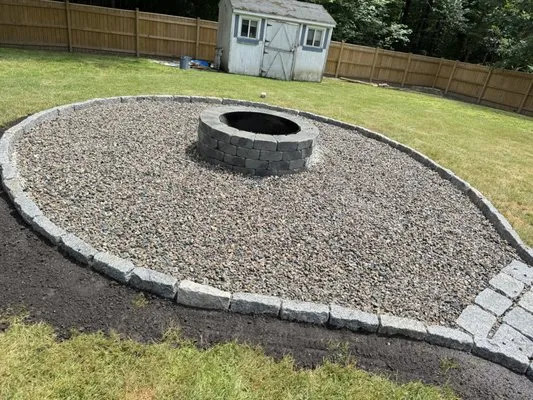
H&J Landscaping is a full-service landscaping company serving Providence, RI, and surrounding areas. We specialize in comprehensive landscape solutions, from design and construction to ongoing mainten...
Just In Time Landscaping is a Providence-based landscaping company dedicated to solving the common outdoor challenges local homeowners face. We specialize in addressing landscape edging damage and per...
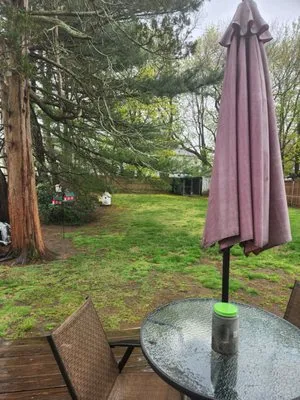
Gonzalez Landscaping has been a trusted provider of landscaping, masonry, and tree services in Providence, RI, and surrounding areas since 2008. Founded by a dedicated professional committed to qualit...
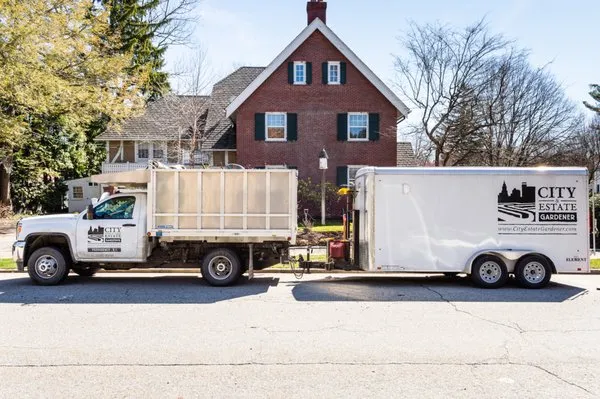
City & Estate Gardener
City & Estate Gardener is a Providence-based landscaping company founded in 2006 by a Rhode Island Certified Horticulturist. We specialize in creating and maintaining beautiful, functional outdoor spa...
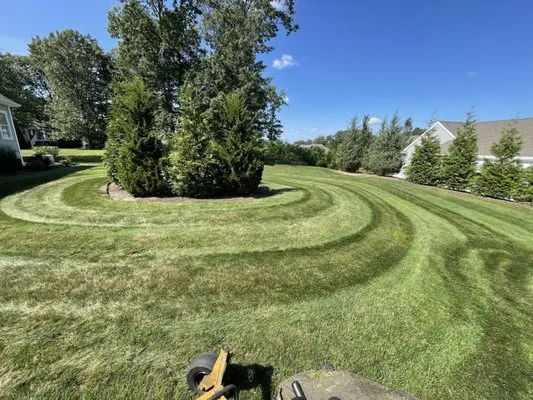
Lawngevity of RI is a Providence-based landscaping company serving Rhode Island and surrounding communities. We provide comprehensive yard care solutions, from routine lawn mowing to complete landscap...
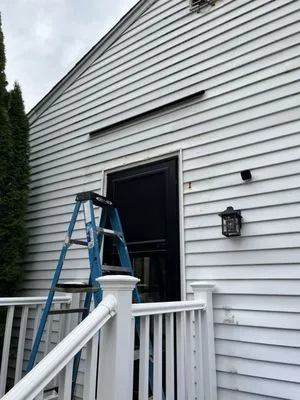
D & C Family is a trusted, family-owned and operated handyman, plumbing, and landscaping service serving Providence, RI, and the surrounding area. Founded in the 1990s by a local mother, our business ...
Gutierrez Landscaping I
Gutierrez Landscaping in Providence, RI, is a locally owned and operated landscaping company with over 22 years of experience serving both residential and commercial clients throughout Rhode Island an...

DJs Landscaping & Excavating LLC brings over a decade of trusted service to Providence, RI, specializing in comprehensive outdoor solutions. Founded with a focus on building lasting customer relations...
Frequently Asked Questions
What's the safe way to control invasive plants without harming my soil?
Japanese knotweed and garlic mustard require targeted glyphosate applications during October-November dormancy, avoiding Rhode Island's fertilizer blackout dates. Manual removal of lesser celandine before seed set in March prevents spread without chemical intervention. Soil health is preserved through spot treatments rather than broadcast applications, protecting mycorrhizae networks in acidic sandy loam. Always verify treatment windows with the Rhode Island Turf Fertilizer Law's low phosphorus requirements.
Will my Kentucky Bluegrass survive Providence summers with water restrictions?
Wi-Fi ET-based weather sensing irrigation maintains turf health within Stage 0 water restrictions by applying only evapotranspiration-replacement amounts. The system adjusts daily based on Providence's microclimate data, delivering 0.8-1.2 inches weekly to Fine Fescue blends during peak demand. This precision prevents overwatering that exacerbates urban runoff while keeping soil moisture at 25-30% volumetric content. Municipal water limits are respected through soil moisture sensors that override schedules during rainfall events.
How quickly can you respond to storm damage for HOA compliance on College Hill?
Emergency cleanup dispatch from Brown University Main Green via I-95 reaches College Hill within 20-30 minutes during peak conditions. This routing avoids downtown congestion while maintaining response capability for fallen branches or drainage emergencies. Crews carry electric chainsaws and rakes to comply with Providence's 7 AM-7 PM gas equipment restrictions. Documentation for HOA compliance includes timestamped arrival photos and debris volume estimates.
What solutions work for chronic puddling in my Providence yard?
High urban runoff in Providence requires permeable hardscapes to meet Department of Planning and Development standards. Granite cobblestone with ⅜-inch joints filled with polymeric sand achieves 500 inches per hour permeability, while clay pavers with open cells support 750 inches per hour flow rates. These materials intercept 90% of first-flush pollutants from impervious surface saturation. Subsurface French drains with clean stone aggregate complement surface solutions by redirecting groundwater away from foundations.
What permits and licenses are needed for grading my 0.15-acre lot?
Grading exceeding 100 cubic yards on 0.15 acres requires Providence Department of Planning and Development review for erosion control compliance. Contractors must hold Rhode Island Contractors' Registration and Licensing Board certification with C-27 landscaping classification. The permit process evaluates soil displacement impact on neighboring properties and stormwater management plans. Professional licensing ensures adherence to RI General Law 5-65, which mandates bonding and insurance for earthmoving operations affecting drainage patterns.
How can I reduce maintenance while supporting local ecology?
Replacing 30-50% of turf with native plantings like Eastern Redbud and Butterfly Milkweed cuts mowing frequency by 40%. Sweet Pepperbush and Winterberry provide year-round structure with minimal irrigation needs once established. This transition reduces gas equipment use ahead of tightening noise ordinances, while Little Bluestem's deep root system (up to 5 feet) improves soil carbon sequestration. Electric maintenance fleets operate below 65 decibels, complying with future restrictions.
Why does my College Hill yard have such poor drainage and compacted soil?
Providence's College Hill neighborhood has homes averaging 70 years old, with soil that has matured since 1956 construction. Acidic sandy loam (pH 5.5-6.5) in this area becomes compacted over decades, reducing percolation rates below 1 inch per hour. Core aeration with organic amendments like composted leaf mold addresses this by improving soil structure and microbial activity. The sandy component allows quick drainage initially but loses permeability without regular organic matter replenishment.
Are granite cobblestones better than wood for Providence patios?
Granite cobblestone outperforms wood with 75+ year lifespan versus 15 years for pressure-treated timber. Its thermal mass moderates microclimates, reducing urban heat island effect in Providence's low Firewise rating setting. Permeable clay pavers maintain defensible space requirements while allowing 80% stormwater infiltration versus wood's 10%. Material choices consider frost heave resistance in USDA Zone 6b, where granite's 20,000 psi compressive strength prevents winter damage.
