Top Landscaping Services in Pawtucket, RI, 02860 | Compare & Call
There are 148 landscaping companies server in Pawtucket RI
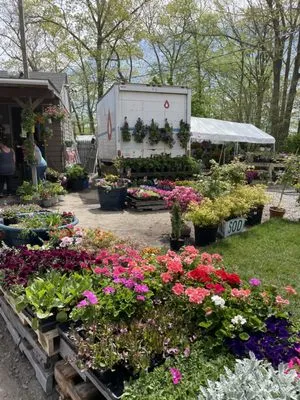
Twin River Nursery
Twin River Nursery, located in Smithfield, RI, is your local source for plants and professional landscaping. We operate as a comprehensive nursery and full-service landscaping company, offering a wide...
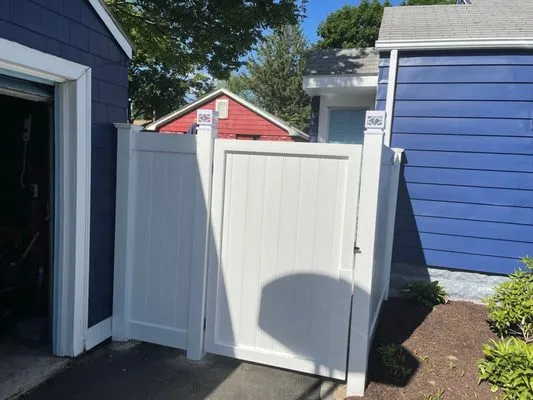
Professional World Fence
Professional World Fence is a family-owned business that has been a trusted part of the Providence community since 2007. With over 15 years of hands-on experience, we have deep roots in Rhode Island, ...
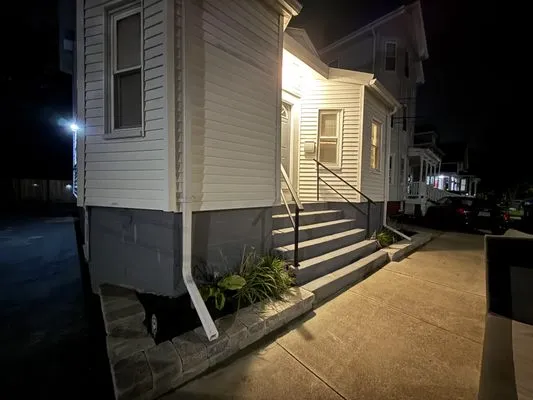
Simone and Sons Landscape Construction
Simone and Sons Landscape Construction has been transforming outdoor spaces in Johnston, RI, since 2009. As a licensed and insured family business, we specialize in comprehensive landscape constructio...
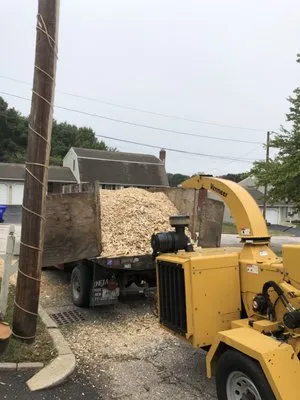
Mike's Landscaping is a Warwick-based company dedicated to enhancing and maintaining the outdoor spaces of Rhode Island homes and businesses. We provide a comprehensive range of services, from seasona...
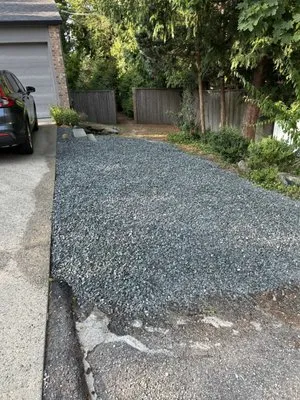
My Brothers Landscaping is a family-owned landscaping business serving Pawtucket, RI, dedicated to providing high-quality work at reasonable prices. We treat every property with the same care as our o...
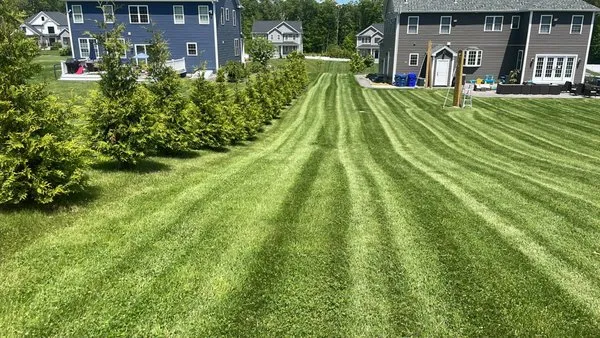
Desousa Landscaping is a trusted, full-service company serving Johnston, RI, and the surrounding areas. We specialize in landscaping, snow removal, and in-state moving services. Understanding the uniq...

Above & Beyond Landscape in Pawtucket, RI, is a locally owned landscaping and pest control company founded by a professional with deep roots in the industry. Growing up in a landscaping family and att...
T D Painting & Home Services is a Providence-based contractor specializing in comprehensive home improvement solutions. With expertise in painting, landscaping, and general contracting, we serve Rhode...
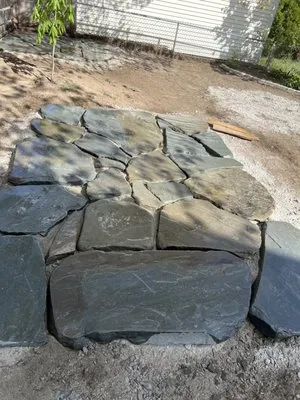
A&G Landscaping is a full-service landscaping, masonry, and snow removal company serving Providence and surrounding Rhode Island communities. We specialize in solving common local landscape challenges...
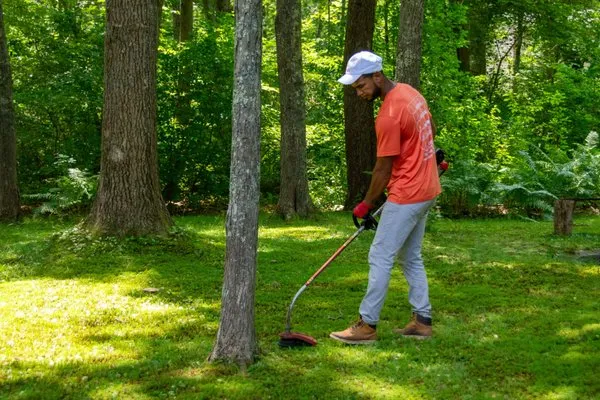
All Service Labor Solutions is a Johnston-based team dedicated to simplifying home and property maintenance for Rhode Island residents. We offer a wide range of reliable services, from landscaping and...
Estimated Landscaping Service Costs in Pawtucket, RI
Q&A
Why does my Oak Hill lawn struggle to absorb water, even though I fertilize?
Soil in Pawtucket's older neighborhoods like Oak Hill, developed around 1947, has experienced nearly 80 years of compaction. The native acidic sandy loam has lost organic structure, creating a dense layer that repels water. Core aeration is not a cosmetic fix; it mechanically relieves compaction to restore percolation. Annual incorporation of composted leaf mold is required to rebuild soil aggregates and support mycorrhizae networks.
Are concrete pavers or wood better for a new patio?
Concrete pavers and granite cobblestone offer superior longevity in Rhode Island's freeze-thaw cycles compared to wood, which decays. For the Moderate Fire Wise rating in this urban interface, pavers create a defensible, non-combustible space. Their modular installation also allows for root expansion and water infiltration, which is critical for tree health on 0.15-acre lots where every square foot of permeability counts.
How quickly can a crew respond for emergency storm debris cleanup?
Our standard protocol for emergency cleanup in Oak Hill involves dispatch from our Slater Memorial Park staging area. Crews take I-95 to the Exit 28 corridor, maintaining a peak storm response window of 20-30 minutes. This accounts for traffic and safety protocols for downed limbs or blocked driveways. We prioritize HOA compliance and safety hazards to mitigate liability.
Will my Kentucky Bluegrass lawn survive Pawtucket's watering rules?
Yes, with precise management. Under Stage 1 water restrictions, ET-based smart irrigation is mandatory for conservation. The system uses local weather data to apply water only when evapotranspiration demands it, avoiding the shallow rooting caused by fixed schedules. This deepens root zones in sandy loam, making the Bluegrass and Fescue blend more drought-resilient while staying within municipal limits.
What permits and credentials should I verify for grading or wall work?
Any significant grading or retaining wall construction on a 0.15-acre lot requires a licensed professional. Verify active registration with the Rhode Island Contractors' Registration and Licensing Board. The Pawtucket Planning and Redevelopment Department may require a permit for projects altering drainage patterns or impervious surface area. Using an unlicensed contractor for this work voids insurance and can result in code enforcement actions.
My yard pools water every spring. What's a long-term solution?
Seasonal high water tables and frost heave are common in Pawtucket's acidic sandy loam, which has variable permeability. Installing a French drain alone is often insufficient. We design systems that pair subsurface drainage with permeable hardscapes, like concrete pavers set on an open-graded base. This meets Pawtucket Planning Department runoff standards by managing sheet flow and reducing hydrostatic pressure against foundations.
What are the most aggressive invasive weeds here, and how do I treat them?
Japanese knotweed and garlic mustard are prevalent in Zone 6b and outcompete natives. Treatment requires targeted, non-residual herbicide applied at specific growth stages, followed by native replanting to occupy the niche. All applications must comply with the Rhode Island Turg Fertilizer Law, which prohibits phosphorus and dictates seasonal blackout dates. We never apply fertilizers or herbicides prophylactically.
Is replacing my lawn with native plants worth the effort?
Replacing high-input turf with a palette of Eastern Redbud, Sweet Pepperbush, and Little Bluestem reduces water use by over 70% and eliminates frequent mowing. This transition pre-adapts your landscape to evolving noise ordinances targeting gas-powered equipment. The deep root systems of New England Aster and Butterfly Weed also sequester carbon and support local pollinator networks, exceeding 2026 biodiversity benchmarks.
