Top Landscaping Services in Newport, RI, 02840 | Compare & Call
There are 84 landscaping companies server in Newport RI
3M Landscape Construction
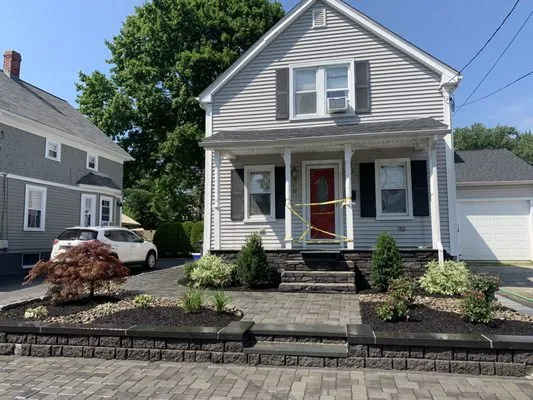
3M Landscape Construction has been a trusted name in East Greenwich, Rhode Island's landscaping scene since 1996, when owner John Sullivan purchased the company. With over 25 years of hands-on experie...

Crespin Landscaping
Crespin Landscaping is a full-service landscaping and excavation company serving West Warwick, RI, and the surrounding areas. We specialize in a wide range of services including earthmoving, excavatio...
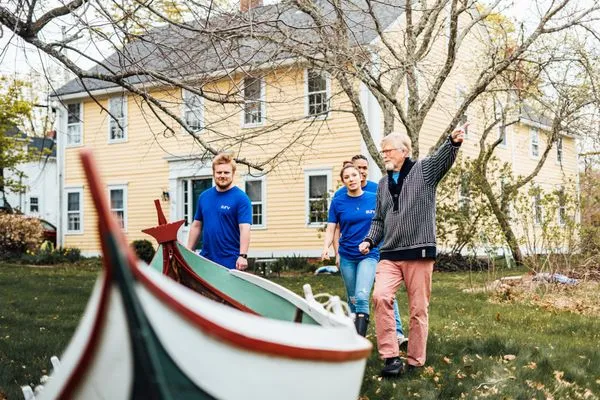
Surv in Newport, RI is a locally-focused home and yard service provider that has been helping Rhode Island residents since 2017. Founded by a CEO who spent years doing odd jobs for neighbors, the busi...

Lawn Maxx is a trusted lawn care provider serving Warwick, RI, dedicated to maintaining and enhancing the beauty of local landscapes. We specialize in comprehensive lawn care services designed to addr...
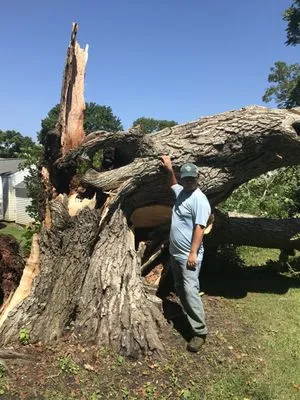
For nearly 30 years, J S Landscaping Co has been the trusted local choice for comprehensive outdoor services across Wakefield, Jamestown, Newport, and South Kingstown. As a fully licensed and insured ...
John's Lawns is a locally-owned and operated lawn care and landscaping business proudly serving Aquidneck Island from its base in Middletown, RI. Founded by John, the company was started with a simple...

New England Landscaping is a full-service, locally owned landscaping company serving Newport and the surrounding Rhode Island communities. We specialize in comprehensive tree and shrub care, including...

A-1 Tree Service provides professional tree care and landscape maintenance for Newport, RI. Our services include regular pruning, structural trimming, and safe removal of large branches to enhance you...
Bourne Green Horticulture
Founded in 2014 by Newport native Jonathan Bourne, Bourne Green Horticulture brings deep local roots and a formal education in Horticultural Science to every project. What began as a specialized horti...

As a Newport native with 19 years of experience, I founded Spare Hands Property Management to provide reliable, comprehensive care for homes across our community. My team and I specialize in managing ...
Estimated Landscaping Service Costs in Newport, RI
Questions and Answers
How quickly can a crew respond for an emergency cleanup after a coastal storm?
For urgent HOA compliance or storm debris removal, dispatch from The Breakers area via RI-138 allows for a 20-30 minute arrival during standard traffic. This accounts for navigating Historic Hill's narrower streets with electric maintenance vehicles, which also comply with standard noise ordinances. The priority is securing the site from further damage and clearing access paths before addressing aesthetic details.
What's the best way to handle pooling water and saltwater intrusion in our yard?
Coastal lots with acidic sandy loam face high water tables and storm surge risks. Solving pooling requires creating positive drainage away from foundations, often via shallow French drains lined with salt-tolerant gravel. For new hardscapes, specifying permeable set bluestone or open-joint cobblestone meets Newport Zoning and Inspections Department runoff standards by allowing infiltration, mitigating salt accumulation in the root zone.
Why do we need a specially licensed contractor for regrading our small lot?
Altering drainage patterns on a 0.15-acre lot in Newport requires a permit from the Newport Zoning and Inspections Department. The work must be performed by a contractor registered with the Rhode Island Contractors' Registration and Licensing Board, as it involves engineering for positive drainage and compliance with coastal erosion standards. Unlicensed grading can lead to significant neighbor disputes and violation notices.
Why does our Historic Hill soil seem to drain poorly and struggle to support a lawn?
Properties built around 1938, common in this neighborhood, have soil profiles nearly 90 years in the making. The native acidic sandy loam has often been compacted by decades of foot traffic and construction, reducing its percolation rate. This compaction limits root oxygen and water infiltration, requiring core aeration and amendments like compost to rebuild structure and porosity. Addressing this foundational issue is more critical than any surface-level fertilizer application.
What should we do about the invasive vines overtaking our shrubs?
Invasive species like Oriental Bittersweet and Japanese Knotweed are prevalent. Manual removal for vines and targeted, careful cut-stem herbicide application for knotweed are necessary, timed outside the Rhode Island Turf Fertilizer Law's blackout dates to prevent runoff. Always prioritize methods that preserve soil mycorrhizae and avoid disturbing the seed bank of further invasives.
How can we keep our Kentucky Bluegrass healthy under Newport's water restrictions?
Stage 1 water restrictions allow for efficient, scheduled irrigation. A Wi-Fi ET-based system uses real-time evapotranspiration data from local weather stations to apply only the precise water lost. This method sustains cool-season grasses like Kentucky Bluegrass and Fine Fescue by watering deeply but less frequently, promoting drought-tolerant roots while staying well within municipal limits. It automatically bypasses cycles during rainfall.
Should we use bluestone or wood for a new patio in our fire-wise zone?
Bluestone and granite cobblestone offer superior longevity and minimal maintenance compared to wood, which requires chemical treatments. In a Moderate Coastal Urban Wildland Interface rating, non-combustible hardscape materials contribute directly to defensible space. Their permeability, when installed correctly, also manages onsite rainfall, a key consideration for permit approval in flood-prone areas.
Is there a lower-maintenance, eco-friendly alternative to our high-input lawn?
Transitioning turf areas to a matrix of Coastal Panic Grass, Beach Plum, and Bayberry significantly reduces water, mowing, and chemical inputs. This native plant community is adapted to local pH and salinity, supports pollinators, and requires no gas-powered blowers for cleanup, aligning with future noise ordinance trends. It builds resilience against drought and provides year-round structure.
