Top Landscaping Services in Little Compton, RI, 02801 | Compare & Call

Helger Bros Tree Service
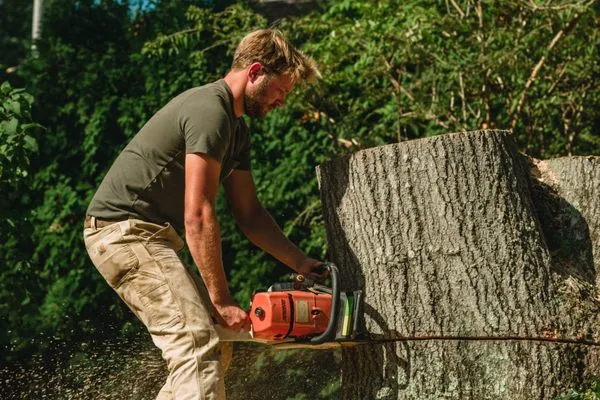
Helger Bros Tree Service is a trusted, family-owned business serving Little Compton, RI, with comprehensive tree, lawn, and firewood services. We specialize in tree care, including pruning, trimming, ...
Reis Landscaping & Tree Service is a locally owned and operated business serving the specific needs of Little Compton, RI properties. We understand that the coastal New England climate and soil condit...
Based in Little Compton, Mike's Lawn and Garden is a licensed landscape contractor dedicated to transforming outdoor spaces with durable and beautiful hardscaping. We specialize in the custom installa...

Steven K Reuter Lawn and Landscape
Steven K. Reuter Lawn and Landscape, Inc. is a trusted, privately-owned company that has been serving the outdoor needs of Little Compton, Tiverton, and Westport for over three decades. We are a local...
Sakonnet Tree & Landscaping is a trusted local provider of tree care and landscape maintenance services in Little Compton, Rhode Island. We specialize in addressing common local landscaping challenges...
Fieldstone Gardens
Fieldstone Gardens is a trusted landscaping and masonry company serving Little Compton, RI, specializing in landscape design, masonry, and concrete work. With expertise as landscape architects and des...
Meadow Mowing is your trusted, local lawn care provider in Little Compton, RI. We understand the unique challenges homeowners face in our coastal community, including persistent lawn fungus and aggres...
Sakonnet Lawn Care
Sakonnet Lawn Care is a trusted, locally-owned landscaping company serving Little Compton, RI. We understand the unique challenges local homeowners face, from patchy, struggling lawn grass to persiste...
Frequently Asked Questions
How can we maintain a healthy lawn during voluntary water conservation periods?
An ET-based, Wi-Fi-enabled irrigation controller is calibrated for your Fine Fescue and Kentucky Bluegrass blend. It adjusts runtime daily using local evapotranspiration data, skipping cycles after rainfall. This system applies water only when the turfgrass root zone requires it, reducing consumption by 20-40% compared to traditional schedules. This precision keeps the lawn viable while adhering to Stage 1 municipal conservation goals.
An invasive vine is taking over a garden bed. How do we remove it without harming the soil?
First, identify the species; Japanese knotweed and oriental bittersweet are prevalent threats here. For perennial vines, careful manual removal of all root material is required, followed by solarization of the soil with clear plastic. Spot-treatment with a glyphosate-based herbicide may be necessary for severe infestations. Any soil amendment must be phosphorus-free per Rhode Island law, and applications must avoid the state-mandated fertilizer blackout dates.
Our 1970s-era lawn seems thin and struggles to retain water. What's the underlying issue?
A 55-year-old landscape on 1.5 acres in Little Compton Commons has likely never undergone deep soil remediation. The naturally acidic sandy loam has become compacted, impeding root development and soil percolation. Core aeration is essential to relieve compaction and introduce oxygen. Follow this with top-dressing using composted leaf mold to increase the soil's organic matter, which will improve moisture retention and gradually buffer the pH.
We want to reduce mowing, gas equipment noise, and water use. What should we plant?
Transition turf areas to a matrix of coastal natives like Bayberry, Beach Plum, and Switchgrass. These species are adapted to acidic sandy loam, require no irrigation once established, and provide superior habitat. This xeriscape approach eliminates weekly mowing, aligns with evolving noise ordinances restricting gas blowers, and creates a resilient, biodiverse landscape that meets 2026 ecological standards for the region.
A storm has downed a large limb, and our HOA requires prompt cleanup. What is your emergency response protocol?
Our storm dispatch initiates from a staging area near the Wilbor House Museum. Crews travel north on RI-77 to reach the Commons, with a standard peak response window of 45-60 minutes. We deploy electric chippers and battery-powered chainsaws first to comply with local noise ordinances, ensuring work can begin promptly within the allowable 7:00 AM start time for immediate hazard mitigation and debris processing.
What permits and credentials are needed for regrading and planting on our large lot?
Any significant regrading or earth moving on a 1.5-acre parcel likely requires a permit from the Little Compton Building & Zoning Department to ensure proper stormwater management. The contractor must hold an active registration with the Rhode Island Contractors' Registration and Licensing Board. For projects impacting drainage patterns or involving large-scale planting, verification of this licensing is essential for liability protection and compliance with local and state environmental regulations.
Our yard has soggy areas for weeks in spring. What's a long-term solution?
Seasonal saturation is common with our high coastal water table and sandy loam's limited permeability. The solution integrates subsurface and surface strategies. Installing a French drain system with a clean stone bed intercepts groundwater, while regrading to direct surface flow to a dry well or rain garden is key. Using permeable granite pavers for any new patios, as favored by the Building & Zoning Department, further reduces runoff volume.
Is fieldstone or wood a better choice for a new retaining wall and patio?
Fieldstone and permeable granite pavers offer superior longevity and permeability compared to wood, which decays rapidly in our humid coastal climate. A dry-laid fieldstone wall provides excellent drainage and requires no mortar. This material choice also supports Firewise principles for WUI Zone 2; non-combustible hardscapes create critical defensible space and do not contribute fuel load, an important consideration for moderate-risk areas.
