Top Landscaping Services in Johnston, RI, 02919 | Compare & Call

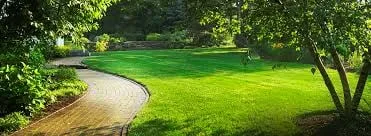
Eagle Eye Landscaping, Inc. is a Johnston-based landscaping and snow removal company founded in 2013 by experienced professionals who decided to start their own business. As hands-on owner/operators, ...
M&B Lang'scaping is a trusted landscaping company serving Johnston, RI, specializing in comprehensive shrub care and landscape maintenance. We understand that many local homes face frustrating issues ...
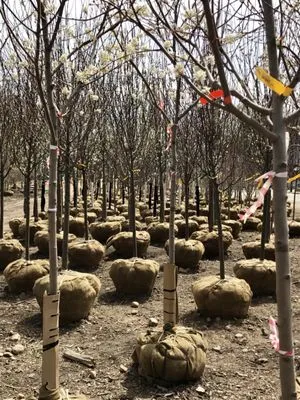
Central Nurseries is a third-generation family-owned garden center, nursery, and landscape construction company that has been serving Southern New England since 1936. Based in Johnston, RI, this estab...
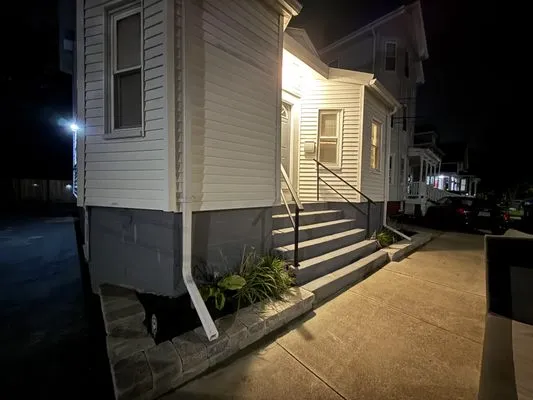
Simone and Sons Landscape Construction
Simone and Sons Landscape Construction has been transforming outdoor spaces in Johnston, RI, since 2009. As a licensed and insured family business, we specialize in comprehensive landscape constructio...
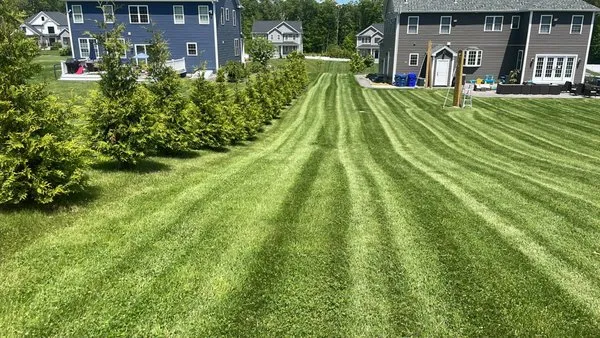
Desousa Landscaping is a trusted, full-service company serving Johnston, RI, and the surrounding areas. We specialize in landscaping, snow removal, and in-state moving services. Understanding the uniq...
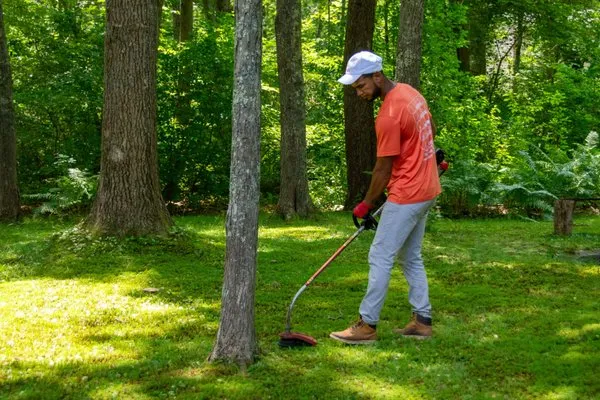
All Service Labor Solutions is a Johnston-based team dedicated to simplifying home and property maintenance for Rhode Island residents. We offer a wide range of reliable services, from landscaping and...
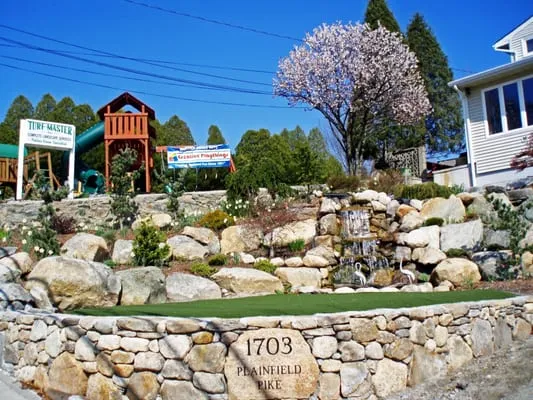
Turf Master has been a trusted name in Johnston and across Rhode Island since 1991. Founded and led by President Radek Molenda, a University of Rhode Island graduate with a Bachelor of Science in Turf...
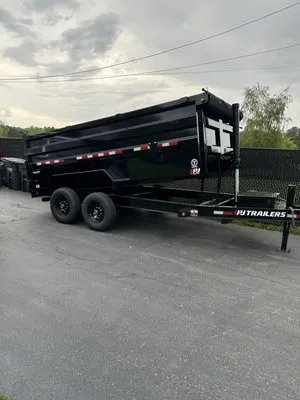
Sivo & Sons Junk Removal and Disposal
Sivo & Sons Junk Removal and Disposal has been serving Johnston, Providence, and surrounding Rhode Island communities for over ten years. We specialize in making junk removal and demolition hassle-fre...

Yard Stick Inc. has been a trusted provider of tree and landscaping services in Johnston, RI, and surrounding areas since 1989. Founded and operated by licensed arborist Bob Montgomery, the company sp...
GreenWorks Lawn Specialists is a locally owned and operated lawn care service based in Johnston, RI, serving residential properties throughout Rhode Island and Southeastern Massachusetts. We specializ...
Question Answers
Are granite cobblestones better than wood for fire-resistant landscaping?
Granite cobblestone and concrete pavers provide non-combustible surfaces that meet Moderate Fire Wise rating requirements for defensible space. Unlike wood decks or mulch beds, these materials create 5-foot mineral soil buffers around structures without requiring chemical fire retardants. Their thermal mass moderates microclimate temperatures while allowing rainwater infiltration through joint sand, addressing both fire safety and drainage concerns in Johnston's Wildland-Urban Interface zones.
Why does my Belknap neighborhood lawn struggle with compaction and poor drainage?
Johnston's 1968 average home construction means soil has matured for 58 years. Acidic sandy loam in Belknap lots typically develops hardpan layers from decades of foot traffic and conventional maintenance. This soil type naturally compacts, reducing permeability and creating seasonal perched water issues. Core aeration with organic amendments like composted leaf mold improves soil structure and addresses pH imbalances without drastic chemical intervention.
What permits and licenses are needed for grading my 0.35-acre lot?
The Johnston Building and Zoning Department requires erosion control permits for any grading exceeding 50 cubic yards of soil movement. Contractors must hold Rhode Island Contractors' Registration and Licensing Board certification for earthwork operations, with specific endorsements for stormwater management. Professional engineering stamps become mandatory when altering drainage patterns affecting adjacent properties, ensuring compliance with state sedimentation regulations and municipal runoff standards.
How do I control invasive species without violating fertilizer laws?
Japanese knotweed and garlic mustard pose the highest invasion risks in Johnston's disturbed soils. Manual removal during early growth stages prevents seed dispersal, while targeted glyphosate applications follow Rhode Island's phosphorus-free fertilizer law blackout dates. Soil testing determines specific amendment needs, avoiding unnecessary treatments that could exacerbate acidic conditions. Mycorrhizae inoculants help native plants outcompete invaders by improving root system efficiency in sandy loam substrates.
How quickly can you respond to storm damage for HOA compliance?
Emergency cleanup crews dispatch from Johnston Memorial Park via I-295, reaching Belknap properties within 20-30 minutes during peak conditions. This routing avoids residential congestion while maintaining compliance with Johnston's 8:00 PM to 7:00 AM noise ordinance. Crews prioritize safety assessments before debris removal, coordinating with utility companies when overhead hazards exist from fallen branches or compromised trees.
Should I replace high-maintenance turf with native plants?
Transitioning to Little Bluestem, New England Aster, and Sweet Pepperbush reduces mowing frequency from weekly to seasonal maintenance. These deep-rooted natives withstand drought periods without irrigation while providing habitat for pollinators. Electric maintenance equipment now meets Johnston's noise ordinance requirements, eliminating gas-blower restrictions during daytime hours. This approach aligns with 2026 biodiversity standards while cutting water and fuel consumption by approximately 70%.
Can smart irrigation maintain Kentucky Bluegrass during water restrictions?
Wi-Fi ET-based weather sensing systems calculate evapotranspiration rates specific to Johnston's Zone 6b microclimate. These controllers adjust watering schedules dynamically, preserving turf health while reducing consumption by 30-50% compared to traditional timers. During Stage 1 restrictions, the system prioritizes early morning cycles to minimize evaporation loss and maintains soil moisture at optimal levels for Fine Fescue blends without exceeding municipal limits.
What solutions address seasonal water pooling in sandy loam soils?
High water tables in Johnston's acidic sandy loam require graded swales directing runoff toward rain gardens or dry wells. Permeable granite cobblestone installations increase surface infiltration rates by 40-60% compared to solid concrete. The Johnston Building and Zoning Department mandates runoff management for projects exceeding 100 square feet, making permeable pavers with aggregate bases the standard solution for meeting municipal stormwater regulations.
