Top Landscaping Services in Hope Valley, RI, 02832 | Compare & Call
There are 86 landscaping companies server in Hope Valley RI
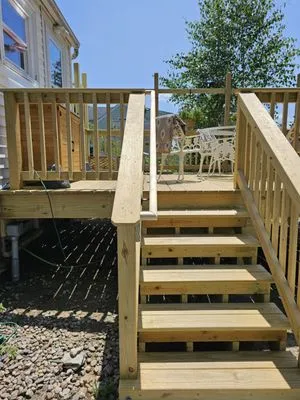
Clarity Builders LLC is a Cranston-based general contractor, septic service provider, and landscaping company dedicated to delivering exceptional value and customer service. Our goal is to provide cli...
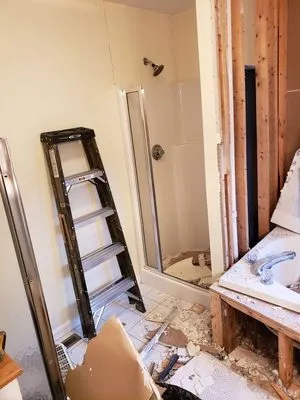
A-ALL Construction Services is a full-service Cranston contractor dedicated to transforming and protecting local properties. Specializing in general contracting, landscaping, and masonry, we tackle co...
For over three decades, Scott Ruzzo has personally built Miracle Lawn into a trusted Johnston institution, operating on honest, old-fashioned principles. When you call, you speak directly with Scott, ...
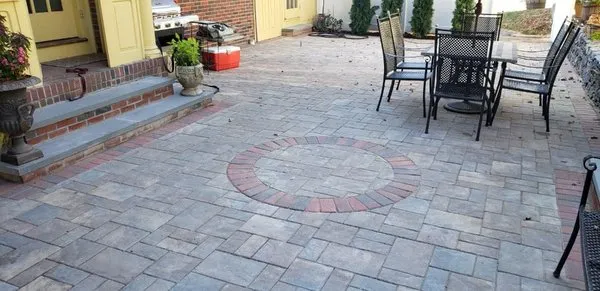
New Era Masonry and Construction in Pawtucket, RI, is a full-service provider specializing in both masonry and landscaping solutions. Serving the local community, we build and repair everything from d...
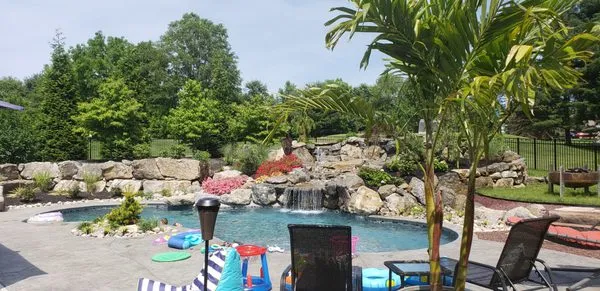
Earth and Water
Earth and Water is a Lincoln-based landscape and water garden company with deep roots in the community, founded in 1978. Starting as D&J Landscaping with just a pickup truck and a lawn mower, it has g...
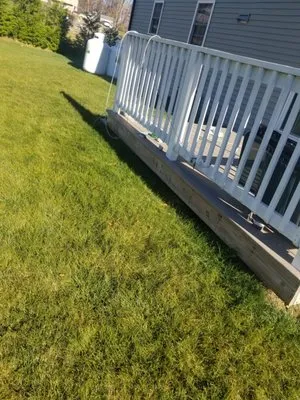
Green Groomers is a family-owned lawn care and pressure washing business serving Pawtucket, RI. We provide comprehensive lawn maintenance, pressure washing, and seasonal services like leaf and snow re...
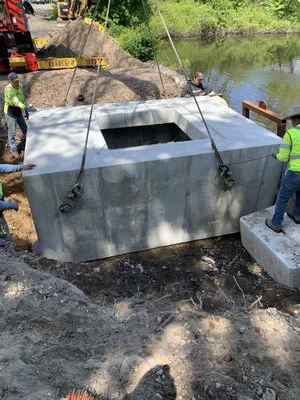
Diggers Landscaping has been serving Cumberland, RI, and surrounding areas since 2001, building a reputation as a reliable local provider for comprehensive outdoor solutions. Starting as Digger's Land...
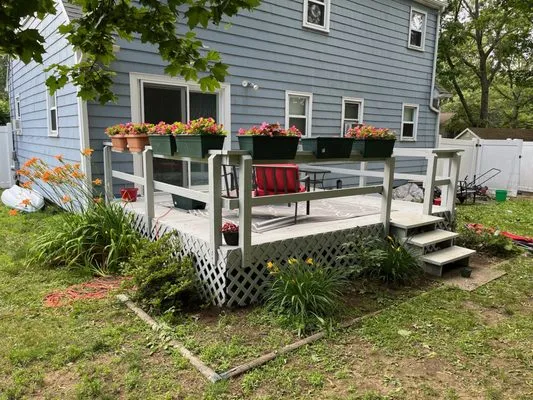
ACJ Renovations is a Westerly-based general contractor and landscaping company, co-owned by Jesse Moore. With two decades of dedicated experience, this small, locally-focused team specializes in profe...
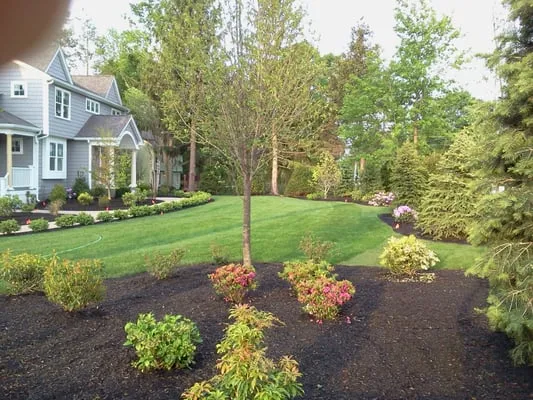
J Drake Turf Farm is a family-run operation rooted in West Kingston, Rhode Island, since 1978. Founded by a dedicated grower, the business is now a true family affair with son Josh handling repairs an...
For over 30 years, MissionGreen Services has been the trusted, environmentally conscious choice for lawn care in Smithfield, RI. We believe a vibrant lawn is integral to a healthy local ecosystem. Our...
Estimated Landscaping Service Costs in Hope Valley, RI
Frequently Asked Questions
How quickly can you respond to emergency storm damage for HOA compliance in Hope Valley?
Our electric maintenance fleet can dispatch from the Hope Valley Library area within 25-35 minutes during peak response times. We route via I-95 to minimize travel delays while adhering to standard quiet hour restrictions. Emergency cleanup protocols prioritize safety assessments first, followed by debris removal using battery-powered equipment that meets noise ordinance requirements for residential areas.
Can I maintain Kentucky Bluegrass and Fine Fescue during Stage 1 water restrictions?
Smart Wi-Fi soil-moisture sensing irrigation systems optimize water use by applying only when ET rates indicate need. These systems maintain turf health while reducing consumption by 30-40% compared to traditional timers. Programming deep, infrequent watering cycles encourages deeper root growth that better withstands dry periods. Municipal water limits are respected through real-time adjustment based on soil permeability and evapotranspiration data.
Should I replace high-maintenance turf with native plants to reduce landscape costs?
Transitioning to Eastern Redbud, Sweet Pepperbush, Joe Pye Weed, and Little Bluestem reduces mowing frequency and irrigation demands significantly. These natives thrive in Zone 6b conditions without synthetic inputs, aligning with 2026 biodiversity standards. This approach future-proofs your landscape against potential gas-blower restrictions under noise ordinances while creating habitat corridors that support local pollinator populations.
Why does my Hope Valley lawn have such poor drainage and thin grass despite regular care?
Your 1982-built property has 44-year-old soil that has become compacted over time. Hope Valley Historic District lots typically feature acidic sandy loam with pH 5.5-6.2, which naturally compacts and reduces permeability. This soil type requires annual core aeration to improve oxygen exchange and water infiltration. Adding organic amendments like composted leaf mold will increase water retention while maintaining proper drainage characteristics.
Are granite pavers better than wood for patio construction in wildfire-prone areas?
Granite pavers and crushed bluestone provide superior fire resistance compared to combustible wood materials. These non-flammable surfaces contribute to defensible space requirements in Moderate Wildland-Urban Interface zones. Their longevity exceeds wood by decades with minimal maintenance, resisting frost-heave damage common in Hope Valley. Proper installation creates firebreaks while maintaining permeability to manage the area's high water table conditions effectively.
What permits and licenses are required for regrading my 0.55-acre Hope Valley property?
Grading work exceeding 100 cubic yards requires a permit from the Town of Hopkinton Building & Zoning Office. Contractors must hold valid registration with the Rhode Island Contractors' Registration and Licensing Board for earth-moving operations. Professional licensing ensures proper erosion control measures and adherence to slope stability standards. These requirements protect against soil runoff into neighboring properties and maintain the integrity of Hope Valley's historic district character.
What solutions exist for seasonal frost-heave and high water table issues in Hope Valley?
Acidic sandy loam soils in this area experience reduced permeability when compacted, exacerbating frost-heave problems. Installing French drains with proper slope directs water away from foundations. Using permeable granite pavers and crushed bluestone for hardscapes increases surface infiltration rates. These approaches meet Town of Hopkinton Building & Zoning Office runoff standards while addressing the region's characteristic high water table conditions.
How do I control invasive species without violating fertilizer blackout dates?
Japanese knotweed and garlic mustard present the highest invasive risks in Hope Valley's acidic soils. Manual removal during specific growth stages proves most effective without chemical intervention. Spot treatments using organic herbicides avoid phosphorus restrictions under Rhode Island Turf Fertilizer Law. Timing applications outside blackout periods prevents nutrient runoff while addressing invasive root systems before they establish dominance over native plant communities.
