Top Landscaping Services in Cumberland, RI, 02802 | Compare & Call
There are 114 landscaping companies server in Cumberland RI
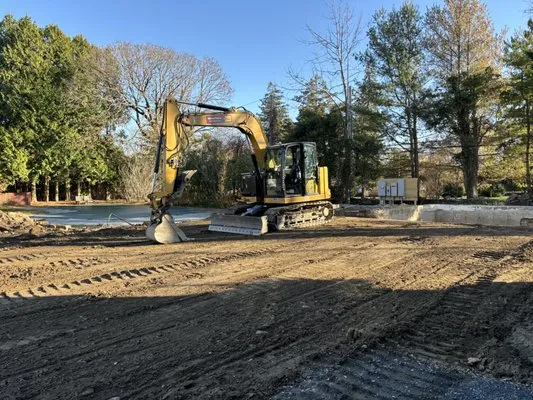
Fleury Dirt Works & Services LLC is a Cumberland-based excavation and landscaping company dedicated to transforming local properties. We specialize in a comprehensive range of services, from foundatio...
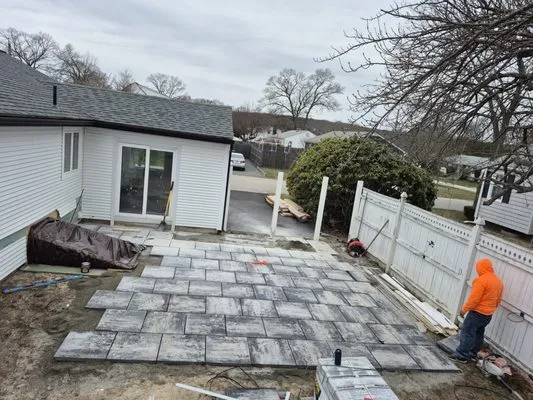
Four Seasons Landscape and Construccion
Four Seasons Landscape and Construction is a trusted local contractor in Cranston, RI, with over a decade of experience serving both residential and commercial clients. Specializing in landscaping, de...
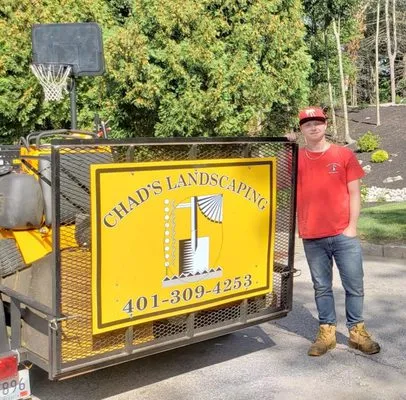
Chad's Landscaping has been a trusted, family-owned and operated business in Woonsocket since 2000, providing reliable lawn and hardscape services. We offer a comprehensive range of solutions, from we...
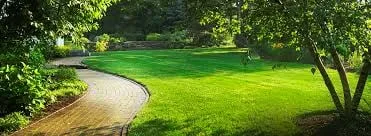
Eagle Eye Landscaping, Inc. is a Johnston-based landscaping and snow removal company founded in 2013 by experienced professionals who decided to start their own business. As hands-on owner/operators, ...

LG Landscaping is a full-service landscaping company proudly serving Central Falls, RI. We specialize in creating and maintaining beautiful, functional outdoor spaces for local homeowners. We understa...
Joshua Services is a trusted landscaping, masonry, and tree service provider serving Warren, RI, and the greater Rhode Island area. With expertise in irrigation construction, landscape installation, o...
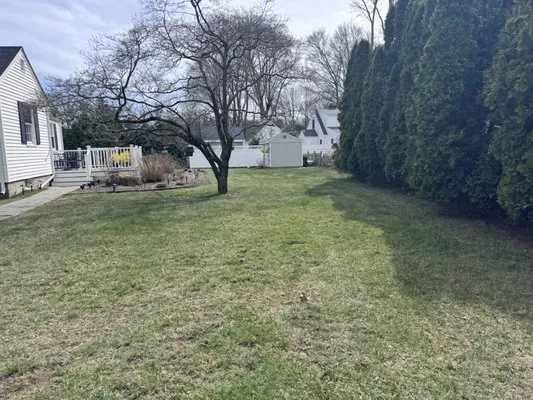
LD's Lawn Service in Riverside, RI, is a locally owned and operated lawn care business with over three decades of experience. Founded on the principle of doing work heartily as if for the Lord, as ins...
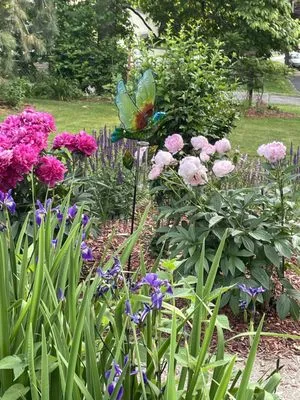
Smith's Nursery in Smithfield, RI, is your local, full-service destination for landscaping and shrub care. We specialize in keeping your property healthy and beautiful, from routine shrub planting, pr...
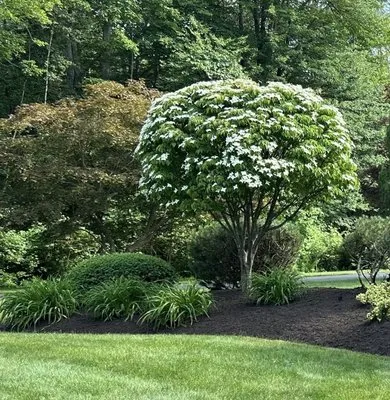
Coastal Green Landscaping is a locally owned and fully insured landscaping company serving North Providence, Rhode Island, and surrounding areas in Rhode Island and Massachusetts. With a professional ...
DJs Landscaping & Excavating LLC brings over a decade of trusted service to Providence, RI, specializing in comprehensive outdoor solutions. Founded with a focus on building lasting customer relations...
Estimated Landscaping Service Costs in Cumberland, RI
Questions and Answers
What solutions exist for seasonal water saturation in my yard?
Cumberland's high water table combined with acidic sandy loam creates seasonal drainage challenges. Permeable concrete pavers and granite cobblestone installations increase surface infiltration by 50-80% compared to traditional materials. These systems meet Cumberland Building & Zoning Department runoff standards while preventing standing water. Strategic grading directs excess moisture away from foundations and planting areas.
Which hardscape materials work best for fire-resistant landscaping?
Granite cobblestone and permeable concrete pavers outperform wood for longevity and fire resistance in Cumberland's Moderate Wildland-Urban Interface Zone 2. These non-combustible materials maintain structural integrity for decades with minimal maintenance. Creating defensible space with stone pathways and patios reduces fire fuel loads around structures. Proper installation includes adequate spacing between hardscape elements and vegetation.
How do I maintain my lawn during Cumberland's water restrictions?
Stage 1 water restrictions require efficient irrigation practices. Smart Wi-Fi ET-based weather sensing systems calculate evapotranspiration rates to deliver precise water amounts. This technology preserves Kentucky Bluegrass and Fine Fescue blends while staying within municipal limits. Proper scheduling based on actual weather data reduces water waste by 30-40% compared to traditional timers.
How do I manage invasive species without violating fertilizer laws?
Japanese knotweed and garlic mustard present significant invasive risks in Cumberland's acidic soils. Treatment requires targeted mechanical removal or approved herbicides applied outside Rhode Island's phosphorus-free fertilizer blackout dates. Soil testing determines specific amendment needs while complying with local ordinances. Integrated pest management prioritizes cultural controls before chemical interventions for sustainable results.
Can I reduce lawn maintenance while supporting local ecology?
Replacing high-maintenance turf with native plants like Eastern Redbud, Sweet Pepperbush, New England Aster, and Little Bluestem creates resilient landscapes. These species require minimal watering and no chemical inputs once established. Transitioning to electric equipment ahead of gas-blower restrictions reduces noise pollution while supporting 2026 biodiversity standards. Native plantings also provide habitat for local pollinators and wildlife.
How quickly can you respond to storm damage for HOA compliance?
Emergency cleanup dispatch routes from the Cumberland Public Library via I-295 reach Diamond Hill within 25-40 minutes during peak conditions. Our electric equipment fleet operates within the 8:00 AM to 7:00 PM noise ordinance window while minimizing disturbance. This response time ensures prompt debris removal and safety restoration while meeting neighborhood association requirements.
Why does my Diamond Hill lawn struggle despite regular care?
Cumberland homes built around 1974 have soil that has matured for 52 years, developing acidic sandy loam with pH 5.5-6.2 typical in this neighborhood. This soil profile often becomes compacted, reducing permeability and root penetration. Core aeration with organic amendments like composted leaf mold improves soil structure and microbial activity. Addressing these foundational issues supports healthier turf and reduces long-term maintenance needs.
What permits and licenses are required for landscape grading work?
Grading on a 0.45-acre lot requires Cumberland Building & Zoning Department permits for erosion control and drainage modifications. Contractors must hold valid registration with the Rhode Island Contractors' Registration and Licensing Board for earthwork exceeding 100 cubic yards. Professional licensing ensures compliance with state environmental regulations and proper engineering of slope stabilization. Unpermitted grading can result in significant fines and remediation costs.
