Top Landscaping Services in Chepachet, RI, 02814 | Compare & Call

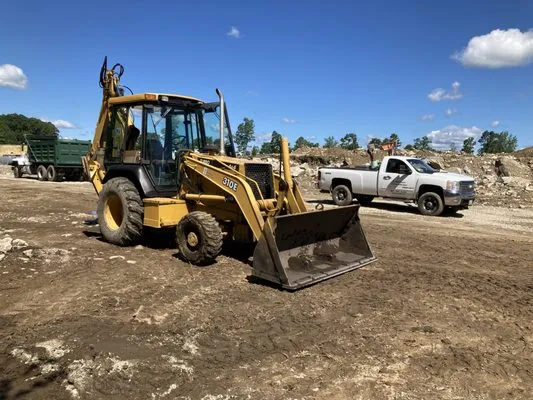
Northern Landscape Corporation is a family-owned landscaping business serving Chepachet, RI, and surrounding areas since 1973. With a team of Rhode Island Certified Horticulturists and licensed profes...
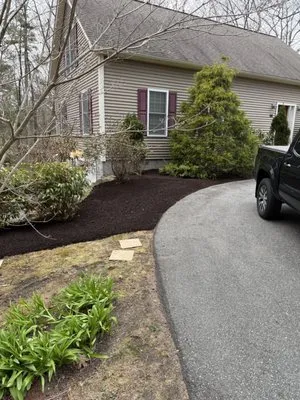
4 Seasons Property Maintenance, LLC is a locally owned and operated business dedicated to keeping Chepachet and greater Rhode Island's landscapes beautiful and functional throughout the entire year. W...
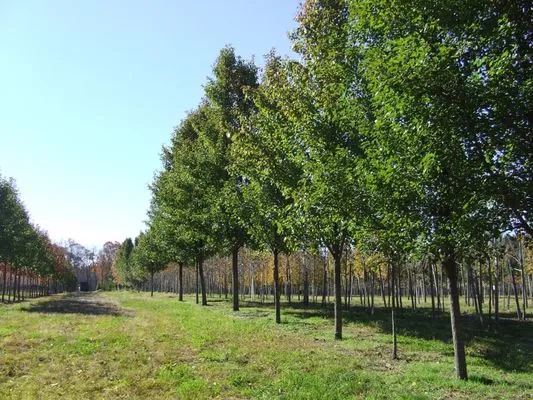
Central Nurseries Tree Farm & Wholesale Distrubution Center
Since 1936, Central Nurseries has been a family-owned cornerstone of Chepachet, growing from a dedicated tree farm into a nearly 100-acre wholesale distribution center and garden center. We cultivate ...

TCA Landscaping is a dedicated, local provider serving Chepachet, RI, with expert gardening and landscape maintenance services. We understand the common local challenges homeowners face, such as unsig...

L&P Hardscape and Landscape is a full-service landscaping company based in Chepachet, RI. We specialize in transforming properties with expert landscape construction, hardscape installation, and year-...
Tropical Lawn Care is your local Chepachet partner for a vibrant, healthy outdoor space. We specialize in comprehensive lawn care and expert tree services tailored to Rhode Island's unique climate. Ma...
FAQs
My yard stays soggy and pavers heave in winter. What's wrong?
A high seasonal water table combined with frost action is common in Chepachet's sandy loam. This soil type drains quickly initially but can create a perched water table. Installing permeable base systems beneath granite cobblestone or bluestone pavers increases subsurface drainage, mitigating heave. Such designs often meet the Glocester Building & Zoning Department's updated standards for managing stormwater runoff on-site.
Are bluestone patios better than wood decks here?
Inorganic materials like granite cobblestone and bluestone offer superior longevity and minimal maintenance compared to wood in Zone 6a's freeze-thaw cycles. They also contribute to a Fire Wise rating for Moderate (WUI Zone 2) areas by creating a non-combustible, defensible space immediately adjacent to structures, a consideration for properties in Rhode Island's wooded areas.
Is there a lower-maintenance alternative to my grassy lawn?
Transitioning perimeter zones to a matrix of native plants like Highbush Blueberry, Sweet Pepperbush, Joe-Pye Weed, and Little Bluestem significantly reduces mowing, watering, and chemical inputs. This xeriscaping approach builds biodiversity, provides year-round visual interest, and pre-adapts your landscape to potential future noise ordinances that may restrict gasoline-powered blowers and mowers.
How do I keep my lawn green under water restrictions?
Under Stage 1 restrictions, precise water management is key. Smart soil-moisture sensor controllers prevent irrigation until the root zone of your Kentucky Bluegrass and Fine Fescue mix requires it, based on real-time evapotranspiration data. This technology can reduce municipal water use by 20-30% while maintaining turf health, as it overrides preset schedules to respond to actual soil conditions and rainfall.
What permits and licenses are needed for a major landscape project?
Regulatory oversight involves two key bodies. The Glocester Building & Zoning Department issues permits for any grading, drainage, or structural work impacting water runoff on your 0.75-acre lot. The contractor must hold active registration with the Rhode Island Contractors' Registration and Licensing Board, which is legally required for projects exceeding $1,000 in value and ensures compliance with state building and environmental codes.
What's the fastest response for storm damage or HOA compliance?
For emergency cleanup, our crews dispatch from the Chepachet Meeting House, using US Route 44 for primary access. This routing allows for a 45-60 minute arrival during peak conditions. We prioritize triage for safety hazards like downed limbs, followed by debris management to meet local covenant standards, ensuring all operations comply with current decibel ordinances for equipment.
Why is my lawn so thin and compacted?
Properties in Chepachet Village, developed around 1978, have soil systems nearly 50 years old. The original acidic sandy loam has likely become severely compacted from decades of routine maintenance, reducing permeability. Core aeration is critical to reintroduce oxygen and facilitate organic matter integration, which is necessary to correct the low pH and improve water retention without drastic chemical intervention.
What are the biggest weed threats and how do I handle them safely?
Japanese knotweed and glossy buckthorn are high-priority invasive species in this area. Control requires a targeted, multi-year management plan using approved herbicides at specific growth stages. All treatments must follow the RI Phosphorus Reduction Act, which prohibits phosphorus application without a current soil test, and adhere to any local blackout dates for fertilizer and pesticide applications to protect watersheds.
