Top Landscaping Services in Charlestown, RI, 02813 | Compare & Call

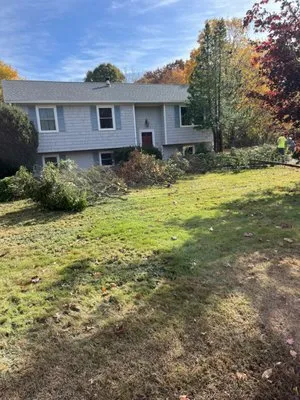
Evolution Landscaping and Construction
Evolution Landscaping and Construction is a Charlestown-based provider of comprehensive lawn, tree, and seasonal care. We understand the specific challenges facing local properties, such as overgrown ...
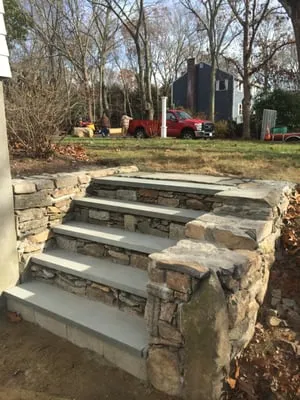
Carpenters Landscape Construction is a trusted, locally-owned landscaping company serving Charlestown, RI, and the surrounding South County area. We specialize in comprehensive tree care and landscape...

Oceanside Landscaping is a Charlestown-based landscaping company dedicated to enhancing local outdoor spaces with practical, effective solutions. We specialize in addressing common regional challenges...

I'm the owner and operator of Coppermyne Farm, a locally owned small business in Charlestown. When you call, you'll speak directly with me, and I'll be the person handling your delivery. After a caree...
Ashe Bros Services is a full-service landscaping company dedicated to enhancing the beauty and functionality of Charlestown properties. We specialize in comprehensive solutions from design and constru...
JODI Tree and BEE, rooted in Charlestown since 1992, provides comprehensive property care for Southern Rhode Island. Our team of licensed arborists and horticulturalists specializes in tree removal, p...
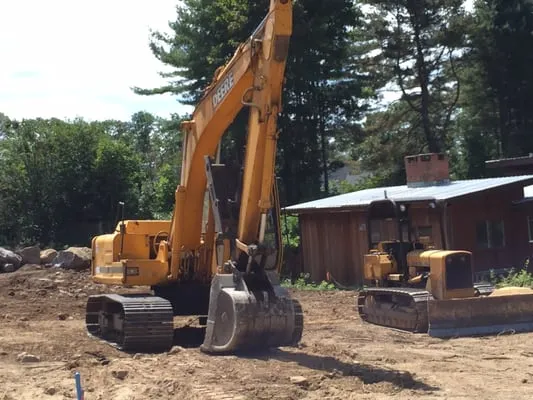
MRD Excavating is a Charlestown-based general contracting and landscaping company serving Rhode Island homeowners with comprehensive property improvement solutions. We specialize in addressing common ...
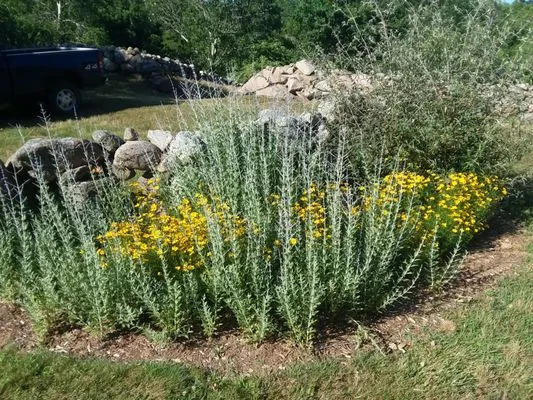
Coastline Landscapes is a registered landscaping contractor serving New London County, CT, and Southern Rhode Island, including Charlestown, with over 20 years of combined experience. We specialize in...
Rict Landscaping is a Charlestown-based landscaping company dedicated to restoring the health and beauty of local lawns. We understand the common challenges homeowners in our coastal community face, s...
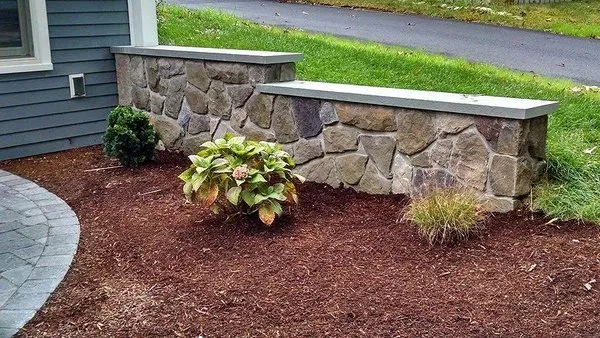
Gray-Line & Son Hardscape/Landscape Construction
Gray-Line & Son Hardscape/Landscape Construction has been a trusted presence in Charlestown, RI, since 1997. As a locally owned and operated family business, we bring over three decades of hands-on ex...
FAQs
Our yard gets soggy spots in spring but is dry by summer. What's causing this?
This is the classic pattern of seasonal water table fluctuation in Charlestown's high-permeability sandy loam. Water infiltrates quickly but can perch on denser subsoil layers during wet periods. Solving this involves strategic grading and installing French drains lined with permeable fieldstone. Using crushed granite for paths also increases surface absorption, helping properties meet the Charlestown Building & Zoning Department's runoff management standards.
A storm knocked down branches and debris everywhere. How fast can you respond for an emergency cleanup?
Emergency dispatch for HOA compliance or storm damage prioritizes routes from central landmarks. A crew departing from the Frosty Drew Observatory area can access US Route 1, reaching most Quonochontaug properties within the 25-35 minute peak response window. This allows for rapid site assessment and deployment of chippers and hauling equipment to clear hazards.
What invasive plants should we watch for, and how do we remove them safely?
Japanese knotweed and autumn olive are high-priority invasive species in this area. Manual removal or targeted, systemic herbicide application during the plant's active growth phase is effective. All treatments must use phosphorus-free products as mandated by Rhode Island law, and applications must avoid the state-mandated fertilizer blackout dates. Proper disposal of plant material is crucial to prevent re-establishment.
What permits and credentials should we verify before hiring for a major regrading project?
Any significant earthwork on a 0.75-acre lot requires verification of a current registration with the Rhode Island Contractors' Registration and Licensing Board. The Charlestown Building & Zoning Department may also require a permit for grading that alters stormwater runoff patterns. Hiring a licensed professional ensures compliance with state law, proper engineering for drainage, and protection for the homeowner against liability and substandard work.
Is crushed granite a better choice than wood mulch for our patio and walkways?
For longevity and fire resilience, crushed granite and permeable fieldstone are superior. Unlike wood mulch, which decomposes and can fuel embers, mineral-based materials are permanent and non-combustible. This is a key consideration for maintaining defensible space in Charlestown's Moderate (WUI Zone 2) fire risk rating. These materials also provide excellent drainage and require no chemical treatments for decay.
How do we keep our lawn green during summer without violating water conservation rules?
Under Charlestown's Stage 1 voluntary conservation, Wi-Fi ET-based irrigation is the standard. This system adjusts watering schedules daily based on real-time evapotranspiration data from local weather stations. It applies precise moisture only when needed, preserving the fine fescue and Kentucky bluegrass mix while staying well within municipal water use expectations and preventing over-saturation of our permeable soils.
We want to reduce mowing and gas equipment noise. What are our options?
Transitioning high-maintenance turf areas to a native plant community is a forward-looking solution. Species like Coastal Panic Grass, Bayberry, and Little Bluestem are adapted to Zone 7a's acidic soils and require no irrigation or weekly mowing. This xeriscaping approach significantly reduces the need for gas-powered blowers and mowers, aligning with trends toward quieter, electric-only maintenance and providing critical habitat for 2026 biodiversity goals.
Our soil seems thin and drains too fast. Is this just how Quonochontaug is?
Soils in neighborhoods developed around 1974, like Quonochontaug, have had over 50 years to mature. The prevalent acidic sandy loam naturally has low water and nutrient retention. This aging profile often lacks organic matter and can become hydrophobic. Core aeration and top-dressing with composted leaf mold are critical to rebuild soil structure and support healthy root systems.
