Top Landscaping Services in Barrington, RI, 02806 | Compare & Call
There are 151 landscaping companies server in Barrington RI
Pro Landscaping in Warwick, RI, is a dedicated local service provider focused on solving the common yard challenges faced by homeowners in the area. The team specializes in addressing overgrown shrubs...
M & L Home Improvement & Landscaping is your Warwick-based partner for a healthy, beautiful yard. We understand the local challenges homeowners face, from frustrating irrigation timer failures that wa...
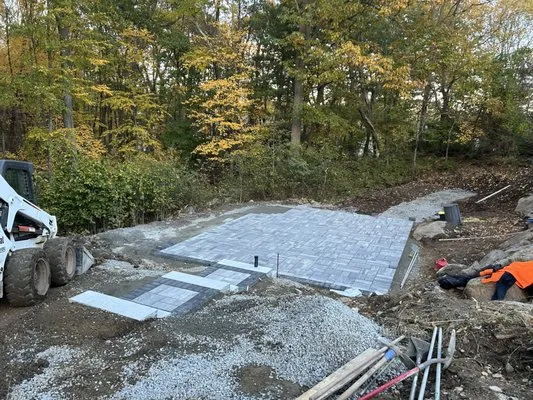
Caleb Carrillo's Construction is a Providence-based contractor specializing in masonry, concrete, landscaping, and fencing. With deep roots in the local community, we understand Rhode Island's unique ...
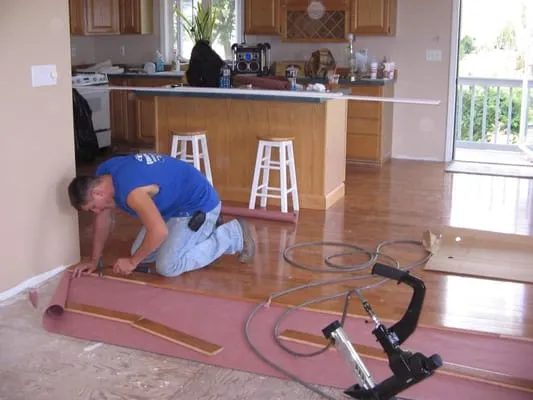
MJ Construction & Landscaping Services
Serving Bristol homeowners, MJ Construction & Landscaping Services is a full-service provider for all your outdoor needs. We specialize in professional landscaping, custom irrigation systems, and dura...
Grasshopper is a Barrington-based tree service, landscaping, and irrigation company dedicated to solving common local yard problems like standing water and dying shrubs. We specialize in comprehensive...

Founded in 2009 by Douglas Henderson, Doug's Lawn Care is a trusted, full-service landscaping and masonry contractor based in Warren, RI. For over a decade, the company has been dedicated to serving B...

Premier Gunite Pools
Founded in Portsmouth in 2007 by Gairad DeCastro, Premier Landscape grew from a local lawn-mowing service into a premier outdoor living company, consistently recognized as ""Best of Newport."" The tea...
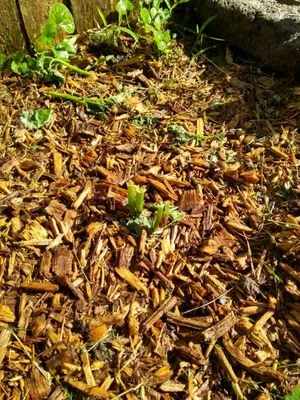
M Braz Landscaping is a trusted local landscaping company serving Bristol, Rhode Island. We specialize in addressing common landscaping challenges faced by Bristol homeowners, such as overgrown shrubs...
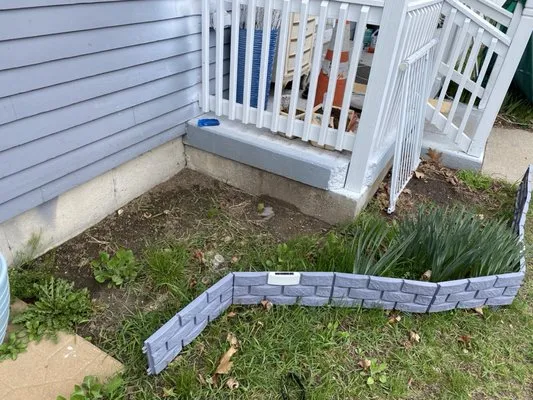
Christopher's Landscaping is a trusted local landscaping company serving Cranston, RI, and surrounding areas. We specialize in addressing common landscaping challenges faced by homeowners in our commu...
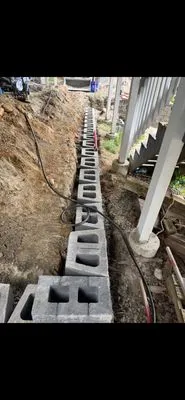
Christian Landscape in Cranston, RI, is a local landscaping, masonry, and tree service provider with over 7 years of experience serving residential clients. We specialize in comprehensive outdoor solu...
Estimated Landscaping Service Costs in Barrington, RI
Common Questions
How quickly can you respond to storm damage for HOA compliance?
Emergency cleanup crews dispatch from the Barrington Public Library area, taking RI-114 to reach Barrington Center properties within 20-30 minutes during peak response times. This routing avoids residential congestion while meeting urgent needs like fallen branch removal or drainage blockage clearing. The team coordinates with local authorities to prioritize safety hazards while ensuring HOA landscape standards are restored promptly.
What invasive species threaten Barrington landscapes, and how are they managed?
Japanese knotweed and oriental bittersweet pose significant risks in this region. Treatment involves targeted glyphosate applications during active growth phases, carefully timed outside Rhode Island's phosphorus-free fertilizer law blackout dates. Manual removal complements herbicide use, with root system excavation preventing regrowth. Regular monitoring catches new invasions early, preserving native plant communities without violating local environmental regulations.
What permits and licenses are needed for grading my 0.35-acre property?
Grading projects exceeding 100 cubic yards of earth movement require a Barrington Building and Zoning Department permit. Contractors must hold active registration with the Rhode Island Contractors' Registration and Licensing Board, as unlicensed work violates state law. Professional licensing ensures proper erosion control implementation, adherence to setback requirements, and engineered solutions for the property's specific drainage challenges and soil composition.
Why choose permeable pavers over wood for patios and walkways?
Permeable concrete pavers offer 40+ year lifespans versus wood's 10-15 years, with minimal maintenance requirements. Their permeability reduces runoff by 90% compared to solid surfaces, crucial for Barrington's low Firewise rating compliance. Unlike wood, they don't require chemical treatments, resist frost heave damage, and create defensible space by eliminating combustible materials near structures during coastal wildfire seasons.
Why does my Barrington Center lawn struggle despite regular care?
Barrington Center properties, built around 1964, have 62-year-old soil systems. The acidic sandy loam (pH 5.5-6.2) common here has likely become compacted over decades, reducing permeability and root penetration. This soil type requires annual core aeration to improve oxygen flow and organic amendments like compost to boost water retention. Without these interventions, even established Kentucky bluegrass and fine fescue blends will show nutrient deficiencies and poor drought resilience.
Can I reduce maintenance while supporting local ecology?
Replacing high-input turf areas with native plantings like coastal clethra, swamp milkweed, and little bluestem creates resilient landscapes. These species require no gas-powered blowers, aligning with Barrington's 8:00 PM to 7:00 AM noise ordinance restrictions. Native plant communities support pollinators, reduce watering needs by 70%, and provide year-round visual interest through seasonal cycles from Joe Pye weed blooms to winterberry holly berries.
What solutions exist for coastal storm surge and high water table issues?
Barrington's acidic sandy loam and coastal location require engineered drainage systems. Permeable concrete pavers allow stormwater infiltration while meeting Barrington Building and Zoning Department runoff standards. French drains with clean gravel layers redirect subsurface water, and graded swales channel surface flow away from structures. These approaches mitigate flooding risks during surge events while maintaining soil stability.
How do smart irrigation systems work with Barrington's water restrictions?
Smart Wi-Fi controllers with soil moisture sensors adjust watering based on actual ET rates and Stage 1 voluntary conservation guidelines. These systems prevent overwatering by monitoring subsurface conditions, preserving Kentucky bluegrass and fine fescue health while reducing municipal water use by 30-40%. Programming follows zone-specific needs, shutting off automatically during rainfall and prioritizing early morning cycles to minimize evaporation loss.
