Top Landscaping Services in Wyoming, PA, 18644 | Compare & Call
There are 162 landscaping companies server in Wyoming PA
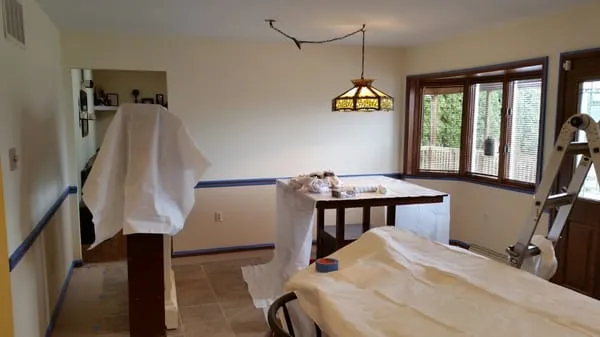
JnJ Projects is a trusted, full-service contracting company serving homeowners and businesses in Wilkes Barre and the surrounding area. We specialize in landscaping, general contracting, roofing, and ...
Crossley's Landscaping is your Wyoming, PA neighbor for year-round property care. We understand the specific challenges of our local landscape, including issues like standing water that can damage law...
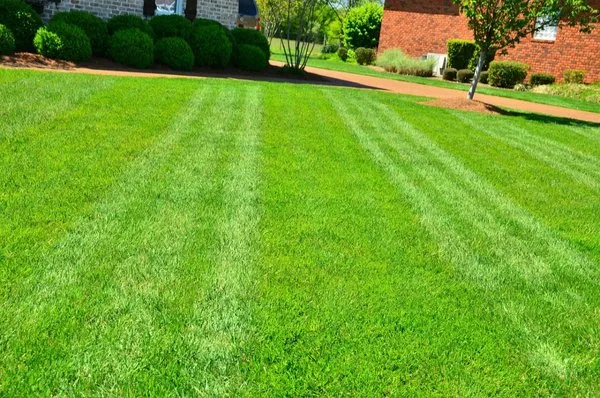
Engle Lawn Care is your dedicated local partner for a healthy and beautiful property in Shickshinny. We provide comprehensive lawn services, from routine mowing and edging to deep fertilization and ae...
Kings Painting is your trusted, full-service exterior care specialist serving Pittston, PA. We go beyond painting to offer comprehensive property maintenance, including expert landscaping and pressure...
PA Landscaping & Lawn Services is your trusted, local landscaping partner in Wyoming, PA. We understand the unique challenges Wyoming properties face, such as soil compaction from heavy clay and wet w...

JJs All Season is a trusted, locally-owned landscaping company serving West Pittston, PA, and the surrounding Wyoming Valley. We provide comprehensive year-round care with our core services of landsca...

Evergreen Landscaping has been a trusted partner for property enhancement in Wyoming, Pennsylvania, and the greater Scranton-Wilkes-Barre region since 1995. Operating from our home base in Exeter, PA,...
Cait's Cleaning & Lawncare is a Scranton, PA business built on a foundation of genuine care. The journey began in childhood, helping to keep an elderly aunt's home safe and clean, which planted the se...
A Quality Lawn Care is a trusted, local provider serving homeowners in Wyoming, PA. We specialize in comprehensive lawn care and reliable snow removal services, helping to create and maintain healthy,...

Connor Lawn Services provides reliable lawn care to homeowners throughout Scranton, PA. We understand the specific challenges faced by local properties, such as standing water and sprinkler system lea...
Estimated Landscaping Service Costs in Wyoming, PA
FAQs
My yard stays soggy for days after rain. What's a lasting solution?
A moderate seasonal high water table combined with dense silt loam soil creates persistent dampness. A functional solution involves installing a French drain system to intercept and redirect subsurface water. For new patios or walkways, specifying permeable base materials beneath Pennsylvania Bluestone can significantly improve surface infiltration. These strategies manage runoff effectively and often help projects meet the Wyoming Borough Zoning & Planning Department's standards for stormwater management.
How quickly can you respond for an emergency storm cleanup to meet HOA deadlines?
For urgent HOA compliance or storm-related emergencies, our typical dispatch from the Wyoming Monument area via PA-11 allows for a crew arrival within 25 to 35 minutes during peak hours. We prioritize these calls with dedicated teams equipped for debris removal and safety hazard mitigation. This routing and preparedness ensure property standards are restored promptly following severe weather events common to Zone 6b.
Is it possible to have a green lawn while following water conservation guidelines?
Yes, modern irrigation technology makes efficient lawn care achievable. Smart Wi-Fi soil moisture sensor controllers are essential; they apply water only when the root zone of your Kentucky Bluegrass and Tall Fescue blend requires it, based on real-time evapotranspiration (ET) data. This system prevents overwatering, aligns with voluntary conservation efforts, and maintains turf health by delivering deep, infrequent watering that encourages drought-tolerant root development.
Is Pennsylvania Bluestone a good choice for a new patio compared to composite wood?
Pennsylvania Bluestone offers superior longevity and lower lifetime maintenance than wood or composite decking. As a natural stone, it is non-combustible, contributing positively to a property's defensible space assessment, even in Wyoming's moderate Fire Wise rating zone. Its durability withstands freeze-thaw cycles in Zone 6b, and when installed with permeable joints, it manages site runoff more effectively than solid decking surfaces.
What permits and contractor credentials are needed for regrading my backyard?
Regrading a 0.22-acre lot often requires a permit from the Wyoming Borough Zoning & Planning Department to ensure compliance with drainage and erosion control ordinances. The contractor must hold a valid Pennsylvania Attorney General Home Improvement Contractor Registration. For significant earth moving that alters water flow, additional certifications in nutrient management or erosion and sediment control may be legally mandated to protect the local watershed.
What are the low-maintenance alternatives to my high-input lawn?
Transitioning sections of turf to a native plant palette is a forward-thinking approach. Species like Eastern Redbud, Butterfly Milkweed, New England Aster, and Switchgrass are adapted to the local climate and acidic soil, requiring minimal supplemental water and no chemical inputs once established. This xeriscaping method reduces mowing frequency, eliminates gas-powered leaf blower use during quiet hours, and provides superior habitat for 2026 biodiversity standards compared to a monoculture lawn.
What invasive species should I watch for, and how do I control them safely?
Common invasive alerts in this area include Japanese Knotweed, Garlic Mustard, and Tree-of-Heaven. Manual removal for small infestations is most effective. For larger issues, targeted herbicide application by a licensed professional is necessary, with strict adherence to the Pennsylvania Nutrient Management Act to protect waterways. Treatments are timed outside of blackout periods and applied precisely to avoid drift and harm to desirable native plants like your Butterfly Milkweed.
Why is the soil so compacted and acidic in my older Wyoming neighborhood?
Properties built around 1958 have soil that has matured for nearly 70 years. On the Wyoming Avenue Corridor, the natural acidic silt loam has become heavily compacted from decades of foot traffic and standard maintenance. This compaction reduces soil percolation and oxygen availability for roots. Core aeration in early fall, followed by top-dressing with compost, is critical to improve soil structure and buffer the pH toward a more neutral range for a wider variety of plants.
