Top Landscaping Services in Wrightsville, PA, 17368 | Compare & Call

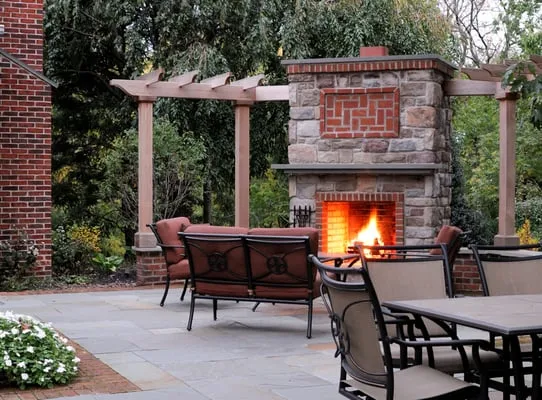
River Valley Landscapes
River Valley Landscapes began over two decades ago when Lancaster County native Brad Groff and York County native Doug Caldwell, fresh from Delaware Valley College, set out to bring a fresh, inspired ...
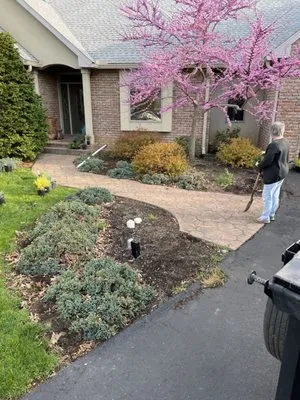
Red Rose Landscaping is a family-owned landscaping company serving Wrightsville, PA, and surrounding Lancaster and York County areas. With over 10 years of experience, we specialize in transforming ne...
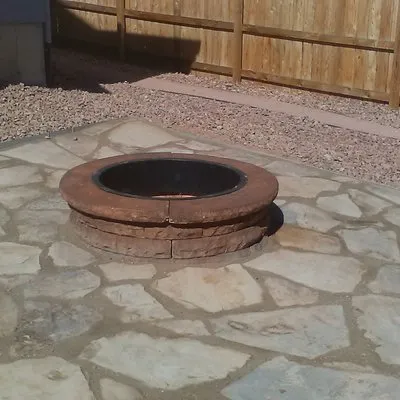
For over 27 years, HG&E Outdoor has been a trusted, family-run and woman-owned lawn and landscape partner for Wrightsville, PA residents. We combine deep local knowledge with proven turf care methods ...
Bowser Landscaping is a trusted Wrightsville, PA, landscaping company dedicated to solving common local lawn and irrigation issues. We specialize in addressing patchy lawn grass and sprinkler leaks th...

Verdant TerraCare is a Wrightsville, PA-based landscaping company committed to providing eco-friendly outdoor solutions. We specialize in comprehensive landscape services including lawn care, shrub an...
Keith's Lawn & Landscape is a reliable, honest lawn care provider serving Wrightsville, PA, and surrounding areas. We take pride in our work and operate as a one-stop shop for all your lawn and landsc...
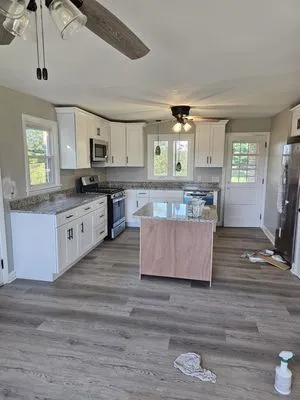
JDW Property Solutions is your trusted local partner in Wrightsville, PA, tackling common property challenges with a skilled, multi-trade approach. Specializing in landscaping, plumbing, and painting,...
Susqueview Services is a trusted Wrightsville, PA-based provider of comprehensive lawn and tree care solutions. We specialize in addressing common local landscaping challenges like sprinkler coverage ...
Total Outdoor Management has been serving Wrightsville, PA, and surrounding communities since 2006, building a reputation on a simple, reliable principle: treating every yard as if it were our own. We...
Frequently Asked Questions
What invasive species should I watch for, and how do I manage them responsibly?
Common invasive alerts in Zone 6b include Japanese Knotweed and Tree-of-Heaven, which thrive in disturbed soils. Management requires precise application of registered herbicides by a licensed professional, strictly following the Pennsylvania Fertilizer Act's nutrient and pesticide reporting protocols. Treatment timing avoids blackout dates and prioritizes non-chemical methods like manual removal where feasible to protect soil and water health.
Why does my soil seem so compacted and poor, and what can I do about it?
Properties in the Riverfront District, with an average build year of 1944, have soil profiles over 80 years old. The prevalent Channery Silt Loam naturally compacts over decades, reducing pore space for roots and water. This necessitates annual core aeration in fall to relieve compaction, followed by top-dressing with compost to rebuild organic matter and improve soil tilth for healthier turf and plantings.
What permits and contractor qualifications are needed for regrading my yard?
Regrading a 0.22-acre lot in Wrightsville typically requires an erosion and sediment control permit from the Borough Zoning & Code Enforcement. The contractor must hold appropriate licensing from the Pennsylvania Department of Agriculture for pesticide application if soil amendments are used. For significant earth moving, verifying the contractor carries general liability and workers' compensation insurance is critical to protect the property owner.
Can you provide emergency storm cleanup to meet a strict HOA deadline?
Yes. For an emergency cleanup in the Riverfront District, our dispatch routes from the Wrightsville Bridge via PA-462, targeting a 20-30 minute arrival during peak response times. We coordinate debris removal and initial hazard mitigation to ensure immediate property safety and compliance, followed by a detailed site assessment for any required restorative work.
How can I keep my lawn green without wasting water or violating restrictions?
Smart Wi-Fi ET-based irrigation systems are optimal for Wrightsville's Stage 0 water status. These controllers adjust runtime daily using local evapotranspiration data, applying water only when the Kentucky Bluegrass and Tall Fescue blend truly needs it. This technology prevents overwatering, conserves municipal resources, and maintains turf health by aligning irrigation precisely with plant demand and soil conditions.
Is there a lower-maintenance, eco-friendly alternative to my traditional lawn?
Transitioning sections of high-input turf to a climate-adaptive xeriscape with native plants is a forward-thinking solution. A matrix of Little Bluestem grass, Butterfly Milkweed, and Eastern Redbud significantly reduces mowing, watering, and the need for gas-powered blowers—aligning with evolving noise ordinances. This planting strategy enhances local biodiversity, provides habitat, and builds a more resilient landscape.
Is bluestone or composite wood better for a new patio that will last?
Pennsylvania Bluestone offers superior longevity and lower lifecycle maintenance compared to wood or composites. Its mineral composition is non-combustible, contributing directly to defensible space in areas with a Moderate Firewise rating. Properly installed with a permeable base, bluestone provides a stable, permanent surface that integrates durably with the local landscape character and requires no sealing or replacement.
My yard near the river stays soggy for days after rain. What's the solution?
Saturated subsoil and high runoff are common in Channery Silt Loam near the Susquehanna. Correcting this requires improving subsurface permeability. A strategic French drain system, daylighting into a rain garden planted with natives like New England Aster, can intercept and redirect groundwater. Using permeable Pennsylvania Bluestone for patios or paths also reduces surface runoff, helping meet borough stormwater management standards.
