Top Landscaping Services in Wilson, PA, 18042 | Compare & Call
There are 185 landscaping companies server in Wilson PA
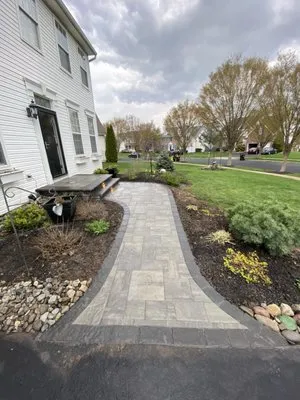
RC Hardscaping provides comprehensive outdoor construction and care for Warrington and Bucks County homes. We specialize in durable hardscaping installations like driveways, patios, and retaining wall...
Lawn Love Lawn Care is a trusted local provider serving Allentown, PA, offering comprehensive gardening and landscaping services to keep your outdoor spaces healthy and beautiful. We specialize in law...
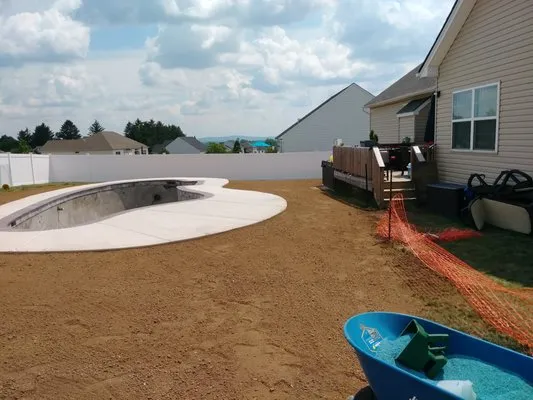
As a lifelong Lehigh Valley resident with generations of family experience in concrete, I've built Beckett Outdoor Solutions on a foundation of integrity and craftsmanship. My journey began working al...

Messa Lawn Care is a locally-owned and operated landscaping business serving Easton, Palmer, Forks, Bethlehem, and surrounding communities. As a licensed and fully insured service, we provide reliable...
Salkin Scapes is a Palmer Heights landscaping company dedicated to solving the common local issues of yard drainage problems and patchy, struggling lawn grass. We understand the specific soil and terr...
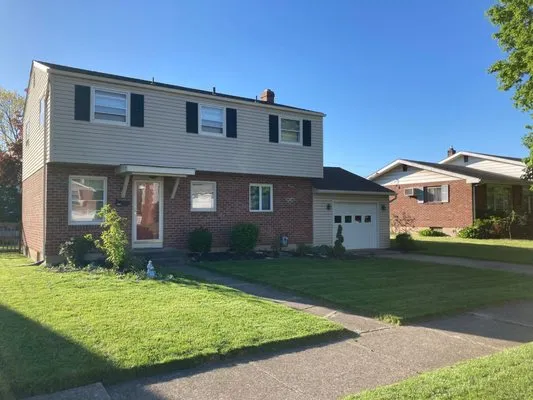
Founded in 2022 by local resident Cameron, Cam's Services is a Bethlehem-based lawn and snow care company dedicated to the Lehigh Valley. We believe every property in our community deserves year-round...
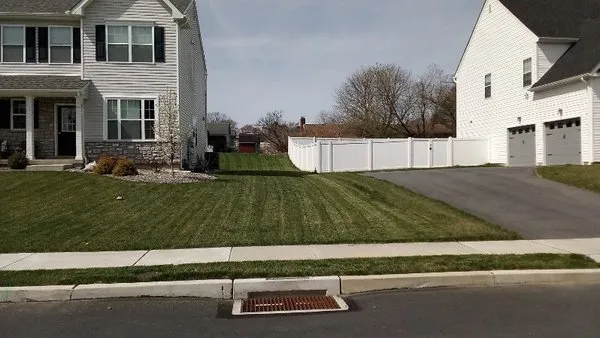
Lawn Care Magic helps Easton, PA homeowners achieve healthy, vibrant lawns. We understand the specific challenges of our local soil and climate, from bare patches to damaged edging. Our approach is st...
Arreola Landscaping is a trusted, locally-owned landscaping company serving homeowners throughout Easton, PA. We understand the specific challenges that come with maintaining a beautiful property in o...
Herman's Lawn Care is your trusted local expert for landscaping in Easton, PA. We understand the unique challenges homeowners face, including frustrating sprinkler leaks that waste water and unsightly...
Primeval Services is a full-service landscaping, masonry, and irrigation company serving Mohrsville, PA, and the surrounding area. We specialize in comprehensive outdoor solutions, from landscape desi...
Estimated Landscaping Service Costs in Wilson, PA
Questions and Answers
Why choose Pennsylvania Bluestone over wood for patios and walkways in Wilson?
Pennsylvania Bluestone offers 50+ year durability with minimal maintenance compared to wood's 15-year replacement cycle in Wilson's freeze-thaw climate. Its natural cleft surface provides slip resistance during winter precipitation while remaining cool under summer heat. For Wilson's low fire-wise rating urban residential density, bluestone creates defensible space without combustible materials, and its regional sourcing reduces embodied carbon by 40% compared to imported hardscape options requiring long-distance transportation.
Can native plants really reduce maintenance compared to traditional turf in Wilson?
Replacing 50% of turf with Eastern Redbud, Butterfly Milkweed, and Little Bluestem reduces mowing frequency from weekly to monthly while eliminating fertilizer applications. These natives establish deep root systems exceeding 36 inches, accessing subsoil moisture and requiring 75% less irrigation than cool-season grasses. The transition supports 2026 biodiversity standards by providing larval host plants for pollinators and creates natural mulch through leaf litter, reducing gas-powered blower use ahead of potential noise ordinance restrictions.
What solutions exist for moderate runoff issues common in Wilson's silt loam soil?
Silt loam's moderate permeability of 0.6-2.0 inches per hour combines with clay-heavy subsoil compaction to create surface ponding. Installing French drains with clean washed stone at 12-inch depth intercepts subsurface flow, while permeable Pennsylvania Bluestone patios provide 30% void space for infiltration. These approaches meet Wilson Borough Zoning and Code Enforcement runoff standards by reducing impervious surface area and directing water to rain gardens planted with New England Aster for phytoremediation.
How quickly can you respond to an emergency tree cleanup after a storm in Wilson?
Our electric maintenance fleet dispatches from Meuser Park within 15 minutes of notification, using US Route 22 for arterial access to Wilson Borough Core. Peak storm response reaches most properties in 20-30 minutes, with battery-powered chainsaws operating within the 8:00 AM to 8:00 PM noise ordinance window. We prioritize safety assessments over cosmetic cleanup, securing hazardous limbs before addressing debris removal to prevent property damage during high-wind events.
How do smart irrigation systems help maintain turf while following Wilson's water conservation recommendations?
Wi-Fi ET-based weather sensing controllers calculate evapotranspiration rates specific to Wilson's USDA Zone 6b microclimate, adjusting runtime to deliver 1-1.5 inches weekly to Tall Fescue and Kentucky Bluegrass blends. These systems bypass irrigation during rainfall events and reduce output by 20% during peak summer heat, staying within voluntary conservation guidelines while preventing drought stress. Properly calibrated systems achieve 85% distribution uniformity, eliminating runoff from clay-heavy subsoil compaction zones.
What permits and licenses are required for grading work on my 0.15-acre Wilson lot?
Grading exceeding 100 cubic yards of earth movement requires Wilson Borough Zoning and Code Enforcement approval with engineered drainage plans. Pennsylvania Department of Agriculture licensing mandates certified pesticide applicators for any soil amendment containing nutrients, while excavation contractors need current registration for erosion control compliance. On 0.15-acre lots, even minor grading can impact neighboring properties' drainage patterns, necessitating professional surveys and liability insurance exceeding $1 million for proper watershed protection.
What invasive species should Wilson homeowners monitor, and how are they treated safely?
Japanese knotweed and garlic mustard present high-risk invasions in Wilson's disturbed urban soils, outcompeting natives through allelopathic chemicals. Manual removal before seed set in early spring avoids herbicide use, while targeted glyphosate applications to cut stems in fall comply with Pennsylvania Nutrient Management Act timing restrictions. Always bag and dispose of invasive material at designated facilities rather than composting, as many species propagate from root fragments smaller than 0.5 inches.
Why does my Wilson Borough Core yard have such compacted soil that needs annual aeration?
Wilson Borough Core properties average 88 years of development since 1938, creating mature but degraded silt loam soil. Decades of foot traffic and clay-heavy subsoil compaction have reduced permeability to 0.5 inches per hour. Core aeration with 3-inch tines every fall introduces oxygen channels, while top-dressing with composted leaf mold increases organic matter above 5% to restore soil structure. This addresses the pH 6.2-6.8 silt loam's tendency to crust and resist water infiltration.
