Top Landscaping Services in White Haven, PA, 18661 | Compare & Call

There are 88 landscaping companies server in White Haven PA
Little Ox Landscaping and Property Services
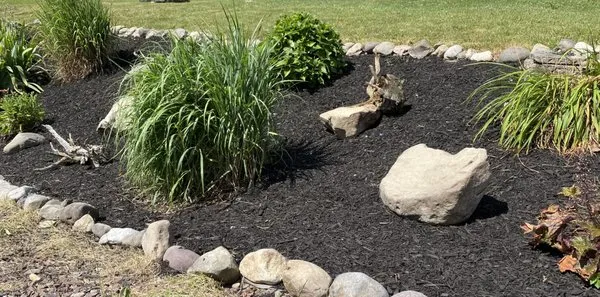
Little Ox Landscaping and Property Services is a veteran-owned, SBA-certified company serving Fountain Hill and the broader Lehigh Valley. Founded by an educator who followed a passion for property ca...
Desch Cleaning Services has been a trusted name in the Lehigh Valley since 2011, growing from small cleaning jobs into a comprehensive service provider for homes and businesses. Our team combines over...

Eco-Handy was founded in Wilkes Barre in 2020 with a simple, honest mission: to provide quality work at fair prices. Starting with just a set of tools and a strong work ethic, owner Joe built the busi...
Bear Creek Organics
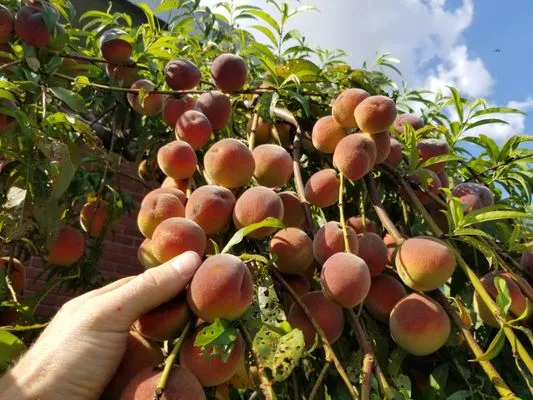
Bear Creek Organics is a full-service ecological edible landscaping company and nursery based in White Haven, PA. We specialize in creating organic food production systems through consultation, design...
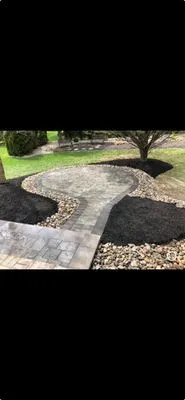
Kern Property Services, LLC is a trusted landscaping and property maintenance company serving Slatington, PA, and the surrounding areas. With a focus on quality workmanship and customer satisfaction, ...
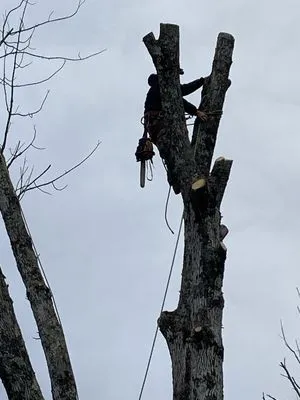
Lehigh Valley Tree Removal and Landscaping is a locally owned and operated company serving Bethlehem, PA, and the surrounding communities. We combine decades of hands-on experience with a genuine comm...
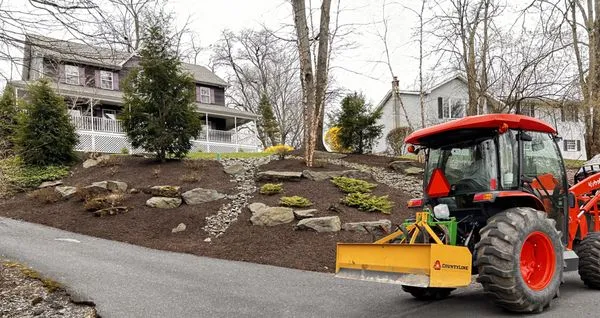
Robs Mulch N Stone is a locally owned and operated Stroudsburg business dedicated to the health and beauty of your property. We provide a comprehensive range of tree and lawn care services, from exper...

Laz Scapes is a locally owned and operated landscaping and masonry company in East Stroudsburg, built from the ground up with resilience and a deep commitment to the community. After overcoming signif...
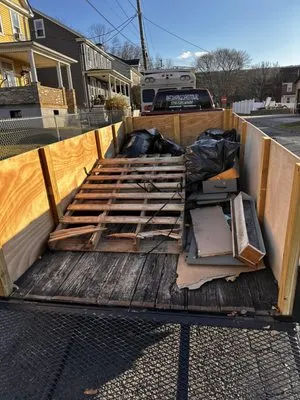
Ames Dump and Demolition
Seth Ames, the owner and operator of Ames Dump and Demolition, is a dedicated Pottsville local committed to providing trustworthy and affordable residential services. At 21, he has built his business ...
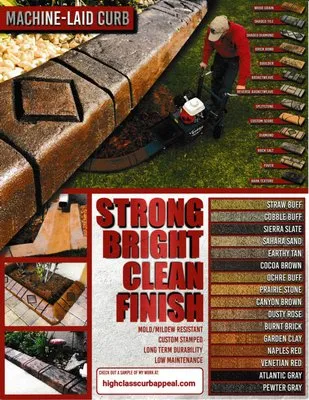
High Class Curb Appeal is a New Ringgold-based masonry and landscaping company founded to solve a common local problem: messy, undefined property lines. We specialize in custom concrete curbing, which...
Estimated Landscaping Service Costs in White Haven, PA
Frequently Asked Questions
Do I need a permit to regrade my backyard?
Often, yes. On a standard 0.25-acre lot, regrading that alters water flow or involves significant cut/fill typically requires review by the White Haven Borough Zoning & Planning Office. Furthermore, the work must be performed by or under the supervision of a professional licensed by the Pennsylvania Department of Agriculture for pesticide application if any soil stabilization treatments are involved, ensuring environmental compliance.
My yard floods after heavy rain. What's the solution?
This is a common issue due to White Haven's steep topography and silty soils, which promote high runoff. The primary fix is improving permeability. We install French drains and use permeable base materials under Pennsylvania Bluestone patios to manage sheet flow. These designs often meet the White Haven Borough Zoning & Planning Office's stormwater standards by retaining water on-site and reducing erosion.
Is Pennsylvania Bluestone a good choice for a new patio?
Yes, for durability and ecology. Compared to wood, bluestone requires no sealing, resists weathering, and has a lifespan measured in decades. Its thermal mass helps moderate soil temperature. In our Moderate Fire Wise rated zone, using non-combustible bluestone for patios or walkways creates critical defensible space, a key consideration for properties in the Wildland-Urban Interface.
How fast can you respond to a storm-damaged tree on my property?
For emergency cleanup impacting safety, our electric fleet can dispatch from near the White Haven Area Community Library. Using I-80, we can typically reach most borough addresses within the 20-30 minute peak storm response window, adhering to the local noise ordinance which restricts operations after 8:00 PM. This allows for immediate hazard mitigation and HOA compliance documentation.
What's a low-maintenance alternative to my high-input lawn?
Transitioning sections to a xeriscape with native plants like Switchgrass, Joe-Pye Weed, and New England Aster dramatically reduces water, mowing, and chemical needs. This biodiversity-focused approach is future-proof, aligning with evolving noise ordinances that restrict gas-powered blowers. These deep-rooted natives also build soil health and support local pollinators, creating a resilient landscape.
Is it wasteful to water my Kentucky Bluegrass lawn?
Not with modern technology. While White Haven has no active water restrictions, responsible practice is key. A Wi-Fi ET-based irrigation system calculates evapotranspiration, applying water only when your specific turf grass mix needs it. This method can reduce water use by up to 30% compared to timer-based systems, preserving municipal resources while maintaining turf health through summer stress.
Why is my soil so poor after years of gardening?
White Haven Borough Central properties, with homes averaging from the 1940s, have had over 85 years for their native acidic channery silt loam to become compacted. This age severely reduces soil percolation and organic matter. Core aeration and adding composted leaf mold are not optional; they are essential to rebuild soil structure and support root zones for any planting, especially given the naturally low pH of 5.5-6.0.
How do I deal with invasive weeds without harsh chemicals?
First, identify the threat; Japanese Knotweed and Tree-of-Heaven are prevalent alerts here. Treatment involves targeted, professional-grade herbicide applications timed outside the Pennsylvania Fertilizer Act's nutrient management blackout periods to protect watersheds. For many invasives, a regimen of careful mechanical removal followed by soil amendment and planting of aggressive natives like Common Milkweed can provide long-term suppression.
