Top Landscaping Services in West Wyoming, PA, 18644 | Compare & Call
There are 212 landscaping companies server in West Wyoming PA
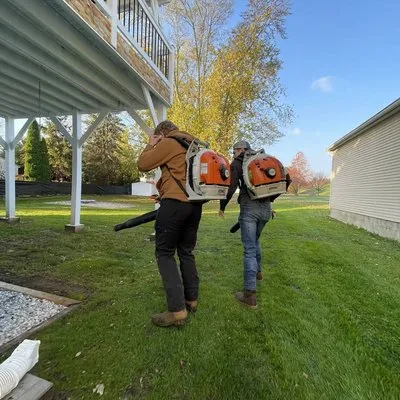
Bilski's Lawn Care is a trusted landscaping partner serving homeowners and businesses across Luzerne County, including Wilkes-Barre. Since our founding in 2020, we've grown from providing essential la...
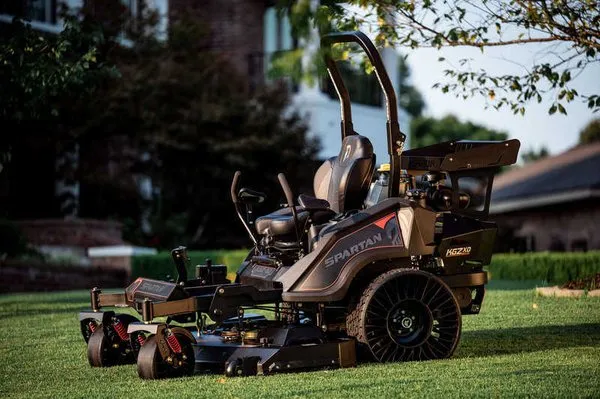
Berwick Landscaping LLC is a licensed and insured contractor based in Berwick, PA, dedicated to enhancing and maintaining outdoor spaces throughout the local community. We specialize in comprehensive ...
Greenwood Nursery & Landscaping
Greenwood Nursery & Landscaping is your trusted local partner for creating and maintaining a healthy, beautiful yard in Plains, PA. We understand the specific challenges local homeowners face, from un...
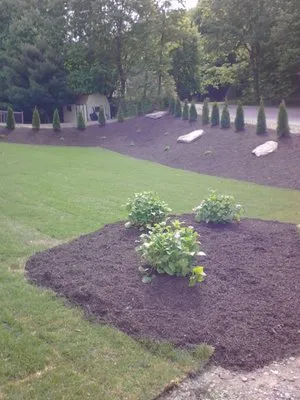
W Peters Enterprises is a trusted, family-operated business serving the Nanticoke community and the greater Wyoming Valley for over six decades. We specialize in transforming outdoor spaces and solvin...
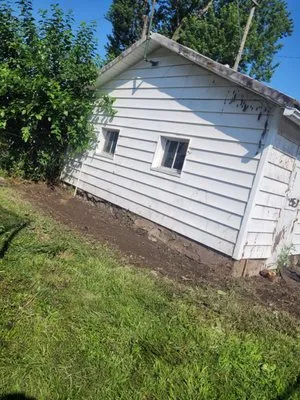
The Tradesmen Collective in Drums, PA, is your local, full-service partner for transforming and maintaining your outdoor space. We understand the common frustrations Drums homeowners face, like patchy...
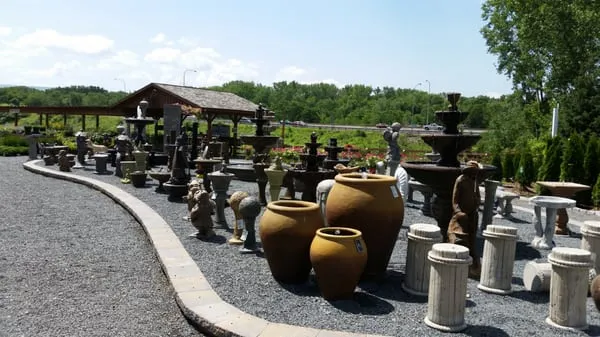
Edward's Landscaping Service has been a trusted name in Forty Fort, PA, and the wider Wyoming Valley since 1978. With over 200 years of combined experience among our staff, we specialize in grounds ma...
Probst Snow Removal And Lawn Care
Probst Snow Removal And Lawn Care in Wilkes-Barre, PA, is a locally owned and operated business specializing in snow removal, lawn services, and masonry/concrete work. Founded in September of last yea...

Green Machine Lawn Care is your locally owned and operated lawn and tree care expert in Kingston, PA. Unlike impersonal national franchises, our team has deep-rooted knowledge of eastern Pennsylvania'...
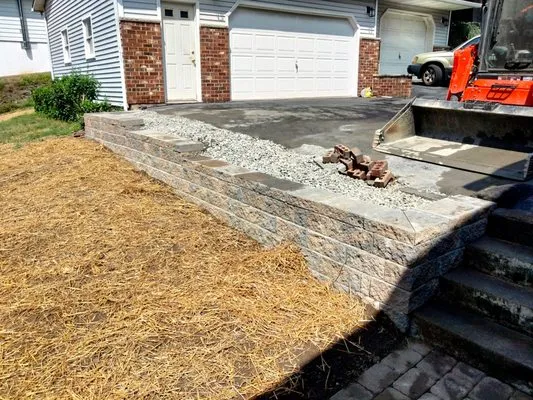
Foltz Landscaping
Foltz Landscaping in Kingston, PA, is a locally owned and operated business with over 22 years of experience serving Luzerne and Lackawanna counties. Founded by Jason Foltz, who started his landscapin...
Meadow Run Supply
Meadow Run Supply is a full-service landscaping, nursery, and gift shop located in Bear Creek Township, PA. We specialize in transforming outdoor spaces with comprehensive services including earthmovi...
Estimated Landscaping Service Costs in West Wyoming, PA
Question Answers
Is Pennsylvania Bluestone or wood better for patio construction?
Pennsylvania Bluestone offers superior longevity with minimal maintenance compared to wood, which requires regular sealing and replacement. In West Wyoming's low Fire Wise rating urban-suburban interface, bluestone provides non-combustible defensible space. Its natural thermal mass moderates temperature extremes, and proper installation creates stable surfaces that resist frost heave. This material integrates well with local architectural styles while meeting durability expectations.
What solutions exist for persistent water pooling in my yard?
Moderate runoff issues in West Wyoming often stem from clay-heavy subsoil beneath acidic silt loam, which impedes percolation. Installing permeable Pennsylvania Bluestone hardscapes can improve drainage while meeting borough planning department runoff standards. French drains or dry creek beds redirect surface water effectively. These approaches address both functional drainage needs and aesthetic integration with existing landscapes.
How do I maintain my lawn during dry periods without violating water restrictions?
West Wyoming currently has Stage 0 water restrictions, allowing flexibility but requiring efficient use. Smart Wi-Fi soil moisture sensor controllers optimize irrigation by applying water only when needed, based on evapotranspiration (ET) rates. This technology preserves Kentucky Bluegrass and Tall Fescue blends while staying within municipal water limits. Proper scheduling prevents overwatering and reduces runoff into the local watershed.
What permits and licenses are needed for landscape grading work?
Grading on a 0.22-acre lot in West Wyoming requires permits from the Borough Planning Department for significant earth movement. Contractors must hold appropriate licensing through the Pennsylvania Department of Agriculture for landscape construction and pesticide application. These regulations ensure proper erosion control, drainage management, and environmental protection. Always verify contractor credentials before beginning projects that alter topography or involve regulated materials.
How should I handle invasive plants without harming my garden?
Common invasive species in USDA Zone 6b include Japanese knotweed and garlic mustard, which threaten native plant communities. Treatment requires careful timing to avoid Pennsylvania Fertilizer Act blackout dates for nutrient applications. Mechanical removal combined with targeted organic herbicides applied during active growth phases manages infestations safely. Always verify treatment methods comply with Pennsylvania Department of Agriculture pesticide regulations.
Why does my West Wyoming lawn struggle despite regular care?
Properties in West Wyoming Borough Center built around 1958 have soil that has matured for 68 years, developing acidic silt loam with pH 5.5-6.5. This soil type tends to compact over decades, reducing permeability and oxygen availability to roots. Core aeration every 1-2 years combined with organic amendments like composted leaf mold can improve soil structure and nutrient cycling. Addressing these foundational issues supports healthier turf and reduces long-term maintenance needs.
How quickly can you respond to an emergency tree cleanup after a storm?
For emergency cleanup or HOA compliance needs, our dispatch from Wyoming Avenue & 8th Street uses PA-11 for efficient routing. During peak conditions, arrival typically occurs within 20-30 minutes. This response time accounts for traffic patterns while ensuring timely service for storm-damaged trees or safety hazards. Our electric maintenance fleet operates within standard noise limits to minimize neighborhood disruption.
What alternatives reduce lawn maintenance while supporting local ecology?
Replacing high-maintenance turf areas with native plants like Eastern Redbud, Wild Bergamot, New England Aster, and Switchgrass creates resilient, low-input landscapes. These species support 2026 biodiversity standards and require less frequent mowing, aligning with evolving noise ordinance considerations around gas-powered equipment. Native plantings also enhance soil health through deeper root systems and natural nutrient cycling.
