Top Landscaping Services in West Pikeland, PA, 19425 | Compare & Call
There are 192 landscaping companies server in West Pikeland PA
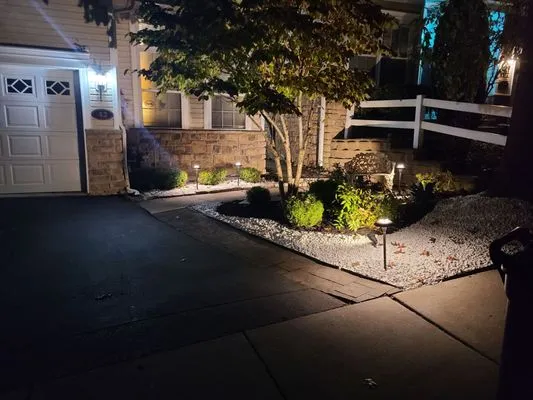
A+ Garden & Landscaping is a small, family-owned Muslim business serving Philadelphia, PA, with a commitment to quality work and exceptional customer service. We provide comprehensive gardening, lawn ...
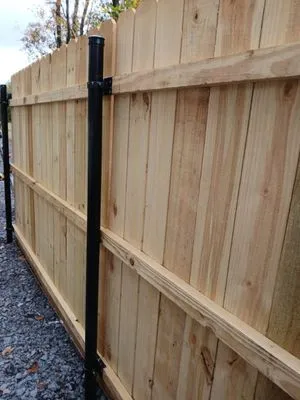
Bar 20 Fence And Farm Services is a family-run ranch and service business based right here in Boyertown, established in 2020. We offer practical solutions for both homeowners and farmers in Berks Coun...

Veteran Lawn Care is a trusted, locally-owned Pottstown business founded on the discipline and dedication of a United States Marine veteran. Since 1989, we've built our reputation on consistent, relia...
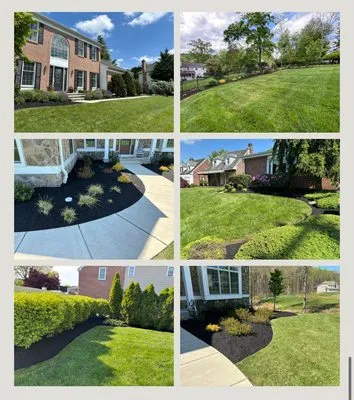
KC Landscaping LLC is a family-owned and operated business serving Upper Chichester and the surrounding Delaware County area. We specialize in transforming outdoor spaces with a comprehensive range of...
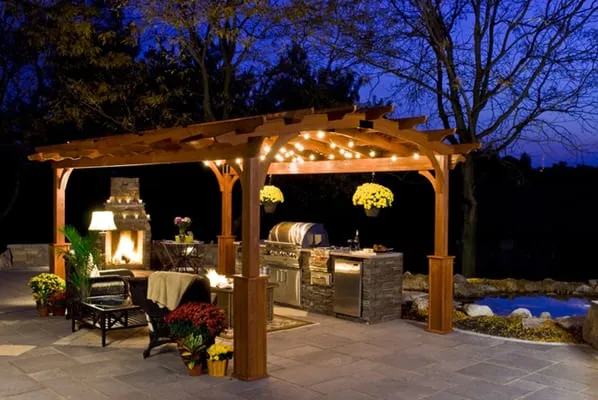
C.E. Pontz Sons
C.E. Pontz Sons is a Lancaster-based landscaping company with deep roots in the community, founded in 1934 by Clarence Pontz. As a family-run business now led by Adrian Kapp, it blends decades of expe...
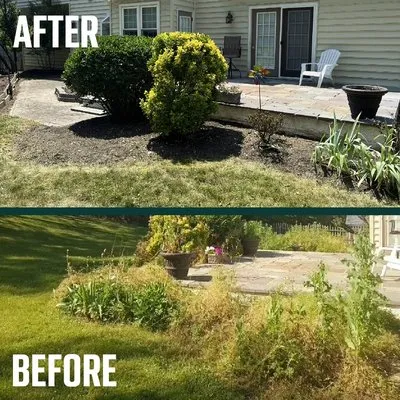
The Simon Works is a family-owned lawn and tree service company serving Coatesville, PA, and southeastern Pennsylvania. Founded in 2024 by the five Simon brothers—Jovani, Emilio, Jesús, Juan, and Edga...
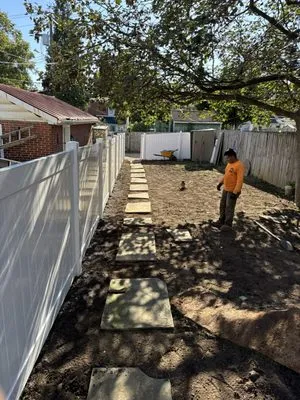
C & L Landscapes And Construction serves Pottstown, PA, with comprehensive outdoor solutions in masonry/concrete, landscaping, and tree services. Our team focuses on transforming local properties thro...

Wentzel Precision Power Washing brings over five years of dedicated service to Womelsdorf, PA, combining expertise in pressure washing, landscaping, and carpentry. Owner-operated and detail-focused, t...
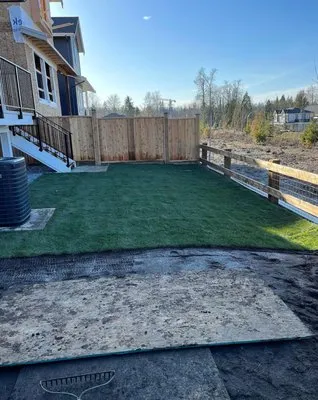
Collingdale Lawn Care has been serving Philadelphia's lawn and landscape needs since 2005, combining decades of horticultural expertise with a deep understanding of local growing conditions. Under Joa...
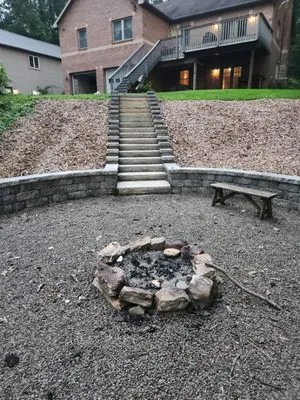
Vision Outdoors is a Narvon-based landscaping and outdoor construction company serving Lancaster County with comprehensive outdoor solutions. We specialize in transforming residential and commercial o...
Estimated Landscaping Service Costs in West Pikeland, PA
FAQs
What permits and credentials are needed for regrading my 1.5-acre lot?
Significant regrading on a 1.5-acre lot typically requires an earth disturbance permit from the West Pikeland Township Zoning & Planning Department to ensure stormwater compliance. The contractor must hold appropriate licensing from the Pennsylvania Department of Agriculture for landscape contracting and, if applicable, pesticide application. This scale of work often triggers review under the Pennsylvania Nutrient Management Act to prevent sediment and nutrient runoff into watersheds.
Why does my soil feel so dense and why does water pool in certain spots?
Properties in the Eagle neighborhood, developed around 1989, have had 37 years for the Glenelg-Manor Channery Silt Loam to settle and compact. This soil type naturally has a clay-heavy subsoil that restricts water infiltration and root growth. A mature lawn's thatch layer and years of standard mowing exacerbate the compaction, reducing soil percolation. Core aeration and incorporating compost are essential to rebuild soil structure and address the common pH range of 5.5 to 6.5.
How quickly can you respond for an emergency storm cleanup to meet HOA deadlines?
For urgent HOA compliance or storm response, our standard dispatch from the Ludwig's Corner Horse Show Grounds area uses PA-100 for primary access. This routing typically yields a 45-60 minute arrival during peak conditions, factoring in local traffic and debris. We coordinate with township services for right-of-way clearance. Our fleet includes electric-capable chippers and haulers to operate within the 8am-8pm noise ordinance window.
Is Pennsylvania Bluestone a better choice than wood for a new patio?
Pennsylvania Bluestone offers superior longevity and minimal maintenance compared to wood, which requires regular sealing and decays. Its non-combustible nature contributes directly to Fire Wise WUI Zone 2 compliance by creating defensible space. For grading and installation, its permeability can be engineered to manage site runoff. The material's durability provides a permanent landscape solution that withstands freeze-thaw cycles in our climate.
What invasive species should I watch for and how do I handle them safely?
Common invasive alerts for this area include Japanese stiltgrass, mile-a-minute vine, and tree-of-heaven. Manual removal for young plants or targeted, professional herbicide application for established stands is necessary. All treatments must comply with the Pennsylvania Nutrient Management Act, which prohibits phosphorus application on established turf and mandates careful chemical handling by a licensed pesticide applicator to protect local waterways.
I want to reduce mowing and gas equipment noise. What are my options?
Transitioning perimeter areas to a xeriscape with native plants like Eastern Redbud, Switchgrass, and New England Aster significantly cuts maintenance. These species are adapted to Zone 6b and require no weekly mowing, aligning with evolving noise ordinances targeting gas blowers. This creates a higher-biodiversity landscape that supports pollinators and reduces water use, future-proofing your property against tighter conservation rules.
My yard has persistent runoff issues after rain. What's a long-term solution?
Moderate runoff here is directly linked to the compacted, clay-heavy subsoil of Glenelg-Manor soil, which has low permeability. Installing a French drain system or dry creek bed can intercept and redirect water. For new patios or walkways, using permeable base installations with Pennsylvania Bluestone allows water to infiltrate, meeting West Pikeland Township's updated stormwater management standards and reducing erosion.
How can I keep my Kentucky Bluegrass and Tall Fescue blend healthy under water conservation rules?
Under Stage 1 voluntary conservation, smart Wi-Fi soil moisture sensor controllers are critical. These systems schedule irrigation based on actual evapotranspiration (ET) and soil permeability data, preventing overwatering. They bypass cycles after rain and adjust for seasonal demand, keeping turf viable while staying well below municipal advisory limits. This technology targets root zones efficiently, which is vital for the clay subsoil conditions here.
