Top Landscaping Services in West Grove, PA, 19390 | Compare & Call
There are 174 landscaping companies server in West Grove PA
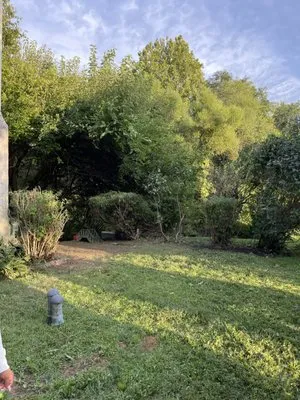
Kings Kin Maintenance
Kings Kin Maintenance LLC is a trusted local provider serving Coatesville, PA, and surrounding areas. We specialize in junk removal and hauling, landscaping, and pressure washing services to help home...
Black Pine in Ephrata, PA, is a trusted local provider of pressure washing and lawn services, dedicated to enhancing outdoor spaces in the community. Specializing in comprehensive lawn care, they addr...
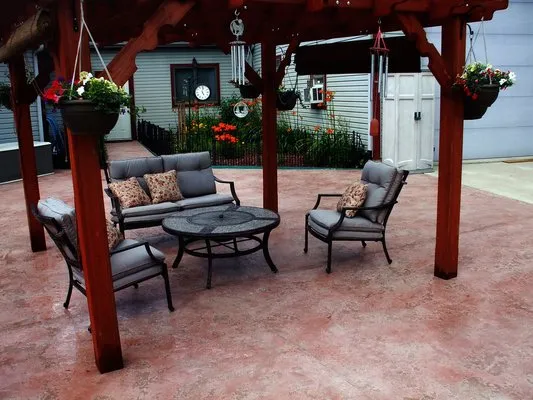
Kleencrete Overlay Solutions
Kleencrete Overlay Solutions is a family-owned and operated concrete overlay specialist serving Phoenixville, PA, and Chester County. Founded and run by two brothers who grew up in the area, we provid...
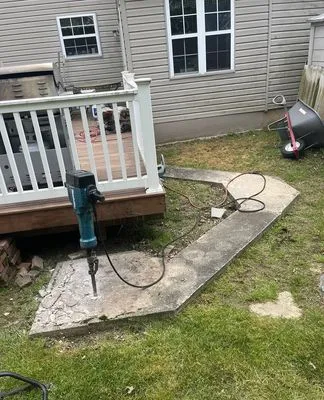
For over 15 years, McLaughlin Contracting has been the trusted name in Chalfont, PA, for expert masonry, concrete, and stucco work, alongside comprehensive landscaping solutions. We understand the uni...

EcoGreen Lawn Care is a family-owned Eagleville lawn service founded in 2011 by Dave Walsh. With over 25 years of industry experience, Dave started the company to provide a safer, more effective alter...
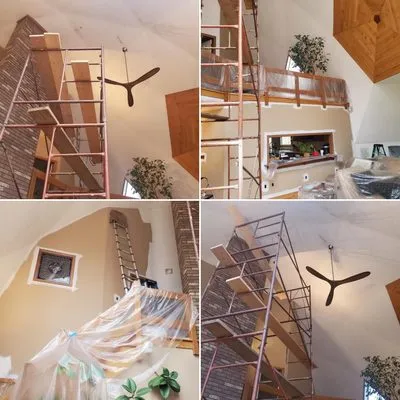
Precision Details is a fully insured, owner-operated handyman and landscaping service based in Robesonia, PA. We specialize in a comprehensive range of home improvement and outdoor projects, from hand...
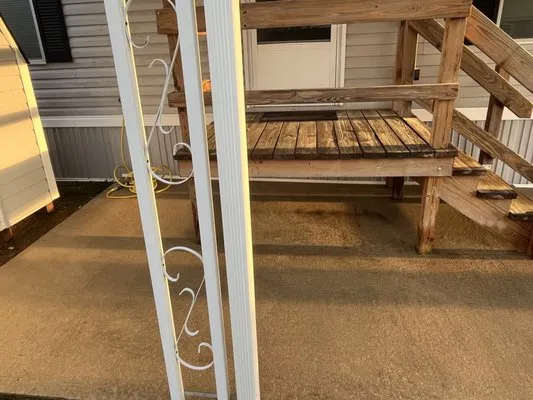
Based in Womelsdorf, 335 Home Services is your local provider for reliable lawn care and pressure washing. We focus on straightforward, quality work that helps your home look its best, from a neatly t...
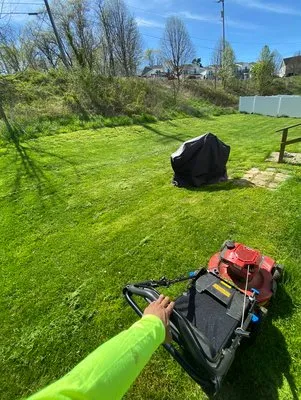
Mieozzies Lawn Service is a locally owned and operated landscaping business in Coatesville, PA, founded in 2025 by someone who has always enjoyed cutting grass and helping people. What started as a si...
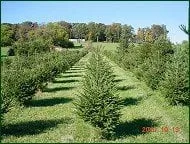
Chester County Trees is a family-owned and operated evergreen tree farm based in Coatesville, PA, specializing in locally grown, balled-and-burlapped (B&B) evergreen trees proven to thrive in Chester ...
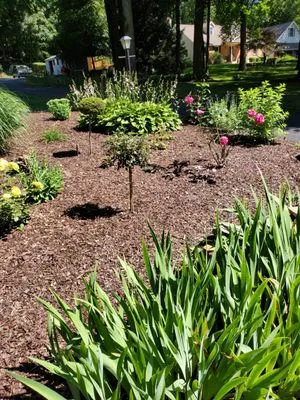
With over 20 years of experience in landscape and lawn care, GS Services brings deep-rooted expertise to Coatesville. Now operating independently, owner [Name] takes personal pride in tailoring every ...
Estimated Landscaping Service Costs in West Grove, PA
Question Answers
What permits and licenses are needed for grading our 0.25-acre lot?
Grading that alters more than 5,000 square feet requires a permit from West Grove Borough Zoning & Code Enforcement, with engineered plans for drainage modifications. Contractors must hold Pennsylvania Department of Agriculture Pesticide Applicator Certification if any soil amendments contain nutrients, per state law. For properties under 0.5 acres, professional licensing ensures compliance with sediment control regulations during excavation. Always verify contractor credentials before earth-moving work, as improper grading can create downstream runoff violations.
Our yard experiences moderate runoff—what solutions work with Glenelg-Manor Silt Loam?
Seasonal saturation in this soil type indicates permeability issues that require graded swales or French drains to redirect water flow. Permeable Pennsylvania Bluestone installations allow 40-50% more water infiltration than conventional pavers, meeting West Grove Borough Zoning runoff standards. For chronic wet areas, consider rain gardens planted with New England Aster, which tolerate periodic inundation while filtering pollutants. These approaches address the moderate drainage hazard without requiring extensive regrading permits.
How quickly can you respond to storm damage for HOA compliance in West Grove?
Emergency cleanup crews dispatch from Harmony Park within 30 minutes during peak conditions, using US Route 1 for direct access to West Grove Borough Center. Our electric maintenance fleet operates within the 7 AM to 9 PM noise ordinance window, allowing immediate debris removal without violating residential limits. For fallen limbs or drainage blockages, we prioritize safety hazards first, then address aesthetic concerns to meet typical 48-hour HOA notification requirements.
Our West Grove Borough Center home was built in 1966—what does that mean for our soil health?
With 60 years of soil maturity since construction, your Glenelg-Manor Silt Loam has likely developed compaction from decades of foot traffic and equipment use. This soil type naturally has a pH of 5.5-6.2, which favors acid-tolerant plants but can restrict nutrient availability for standard turf. Core aeration every 2-3 years improves oxygen exchange and water infiltration, while adding 1/4 inch of compost annually builds organic matter without drastically altering pH. These practices address the gradual degradation common in neighborhoods with mid-century housing stock.
Is Pennsylvania Bluestone better than wood for patio materials in our climate?
Pennsylvania Bluestone offers superior longevity with minimal maintenance compared to wood, which requires annual sealing in our humid continental climate. Its non-combustible nature contributes to defensible space in Moderate Firewise USA zones, reducing wildfire risk around structures. The stone's thermal mass moderates temperature extremes, and its natural cleft surface provides slip resistance without requiring chemical treatments. For durability exceeding 50 years with proper installation, bluestone outperforms composite and natural wood alternatives.
Can we reduce mowing frequency while maintaining property value?
Replacing high-maintenance turf with native plantings like Eastern Redbud, Butterfly Milkweed, and Little Bluestem creates a low-input landscape that requires mowing only 2-3 times annually. This transition aligns with emerging electric equipment mandates, as gas-powered blowers face increasing restrictions under noise ordinances. Native plant communities support local pollinators while reducing water needs by 60-70% compared to traditional lawns. The resulting landscape meets 2026 biodiversity standards without sacrificing aesthetic appeal.
How do we maintain our Kentucky Bluegrass/Tall Fescue blend during voluntary water conservation?
Wi-Fi ET-based weather sensing irrigation automatically adjusts runtime based on evapotranspiration rates, reducing water use 20-30% compared to traditional timers. This system preserves turf health during Pennsylvania's dry spells while respecting Stage 0 voluntary conservation measures. Programming separate zones for sun-exposed versus shaded areas prevents overwatering, and soil moisture sensors provide backup data to avoid saturation. Municipal water limits become manageable when irrigation matches actual plant needs rather than arbitrary schedules.
What invasive species should we watch for in West Grove, and how do we treat them safely?
Japanese stiltgrass and garlic mustard present the highest invasion risk in USDA Zone 7a, often spreading through disturbed soil areas. Manual removal before seed set proves most effective, while targeted herbicide applications require Pennsylvania Department of Agriculture certification to comply with the Nutrient Management Act. Treatment timing avoids blackout dates for fertilizer and pesticide applications, typically late fall through early spring. Regular monitoring prevents establishment, particularly along property edges where invasives first appear.
