Top Landscaping Services in West Carroll Township, PA, 15722 | Compare & Call

There are 88 landscaping companies server in West Carroll Township PA
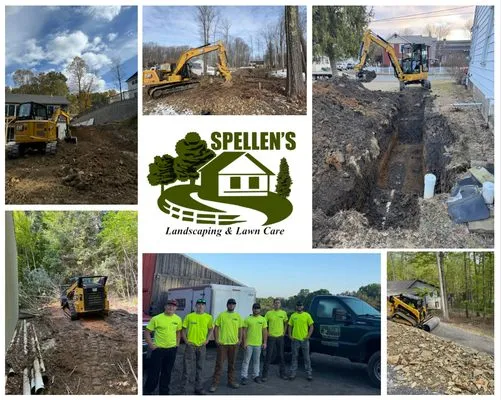
Spellen’s Landscaping & Lawn Care
Spellen's Landscaping & Lawn Care is a Du Bois, PA-based contractor dedicated to transforming and maintaining local properties. We specialize in excavation, landscape construction, and year-round main...
Legacy Lawn Services is a locally owned and operated lawn care, snow removal, and gutter service provider in Altoona, PA, with over 15 years of experience serving homeowners and businesses in the comm...
B & G Trees is a family-owned landscaping and supplies company that has been proudly serving Houtzdale, PA, and the surrounding communities for over 30 years. We provide comprehensive solutions for bo...
Jjs Recycling and Hauling
Jjs Recycling and Hauling is a locally owned and operated business serving Luthersburg and the surrounding area. Founded in 2020, our mission was built on a simple principle: providing reliable, hands...
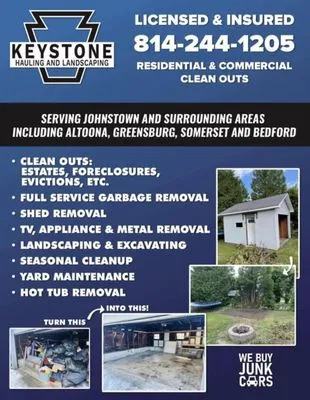
Keystone Hauling & Landscaping is a fully licensed and insured Johnstown business serving residential and commercial clients throughout Cambria County and surrounding areas like Altoona, Greensburg, S...
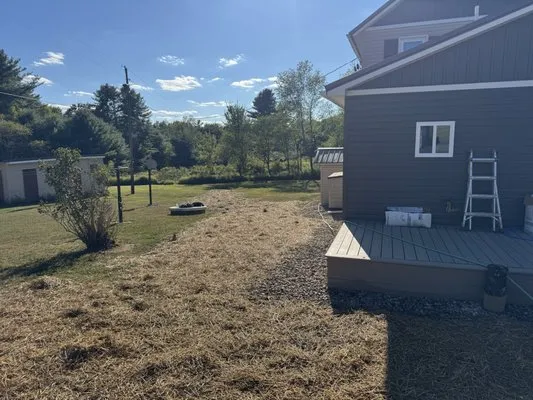
Waite's is a locally owned business in Madera, PA, founded on the principles of affordability, efficiency, and dependability. We provide property maintenance services, including lawn care, landscaping...
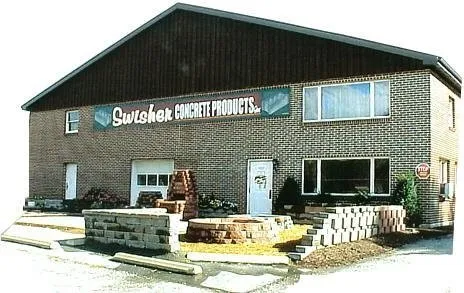
Swisher Concrete Products
Swisher Concrete Products is a family-owned supplier in Clearfield, PA, serving landscapers, contractors, and homeowners with essential building materials. Founded and operated by Jeannine Swisher, we...

With over three decades of carpentry and property management experience in Philipsburg and the surrounding region, I've built a reputation for honest, reliable work. My approach is straightforward: I ...

Milkie's Lawn & Landscape
Milkie's Lawn & Landscape has been a cornerstone of the Johnstown community since 1970. Founded by George Milkie, who still manages the business today, the company started in Geistown and grew to its ...
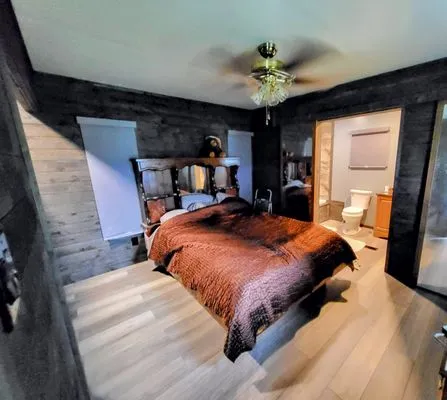
EsScapes Rehab & Renovations is a licensed general contractor serving Indiana, PA, and surrounding areas. We specialize in comprehensive home renovations, from interior remodeling like kitchen and bat...
Estimated Landscaping Service Costs in West Carroll Township, PA
Q&A
Our HOA has issued a violation notice for overgrown landscaping; how quickly can you respond?
A compliance crew can be dispatched from our staging area near West Carroll Community Park. Using US Route 22, we anticipate a 25-35 minute arrival window to Carroll Valley Estates during standard hours. We prioritize these calls to meet HOA deadlines, coordinating mowing and trimming to comply with local noise ordinance hours between 7:00 AM and 9:00 PM.
What permits and licenses are needed for regrading and planting on our half-acre lot?
Any significant regrading that alters water flow requires a review from the West Carroll Township Zoning & Planning Department. For pesticide applications to address invasive species or soil treatments, the contractor must hold appropriate licensing from the Pennsylvania Department of Agriculture. On a 0.45-acre property, improper grading can impact neighboring lots, making professional, licensed execution critical.
How can we keep our Kentucky Bluegrass and Tall Fescue blend green without wasting water?
Wi-Fi ET-based weather sensing controllers are the most efficient method. These systems calculate evapotranspiration rates using local weather data, applying only the precise water volume the turf needs. This technology prevents overwatering, conserves municipal water resources, and maintains soil health, even during periods with no formal water restrictions.
Our yard has areas of seasonal saturation and runoff; what's a good long-term solution?
Acidic silt loam soils in West Carroll Township have moderate permeability, leading to the runoff you describe. Installing French drains or dry creek beds in low areas addresses subsurface water. For hardscape surfaces, using permeable Pennsylvania Bluestone setts allows water infiltration, meeting township runoff management standards and reducing surface water issues.
We want to reduce mowing and gas-powered maintenance; what should we plant?
Transitioning high-input turf to a landscape anchored by Eastern Redbud, Mountain Laurel, Butterfly Milkweed, and New England Aster significantly reduces water, fertilizer, and weekly mowing needs. This native plant community supports local biodiversity and provides year-round interest. It also aligns with evolving noise ordinances that increasingly restrict gas-powered blowers and mowers.
Why does the soil in our Carroll Valley Estates yard seem so compacted and acidic?
Homes built around the neighborhood's average 1954 construction date often have soils compacted by decades of heavy machinery and limited organic input. Over 72 years, this has matured into a dense, acidic silt loam with a pH of 6.2-6.5, which restricts root growth and water percolation. Annual core aeration and amendments like composted leaf mulch are necessary to improve soil structure and microbial activity, moving it toward a more neutral, fertile state.
Is Pennsylvania Bluestone a better choice than wood for a new patio?
Pennsylvania Bluestone offers superior longevity and lower maintenance compared to wood, which requires regular sealing and replacement. Its non-combustible nature contributes to defensible space, a consideration even in West Carroll Township's low Fire Wise rating areas. Properly installed bluestone patios also manage thermal expansion better and integrate well with the region's natural aesthetic.
We've spotted Japanese Stiltgrass and Tree-of-Heaven; how do we handle them safely?
Japanese Stiltgrass and Tree-of-Heaven are aggressive invasive species that outcompete native plants. Treatment involves targeted manual removal or approved herbicide applications by a licensed professional, timed to plant life cycles. All applications must strictly follow Pennsylvania Department of Agriculture standards and avoid any phosphorus-based products on impervious surfaces to comply with state fertilizer ordinances.
