Top Landscaping Services in Waynesboro, PA, 17268 | Compare & Call

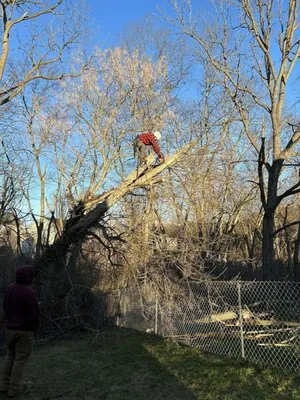
A&W Tree And Lawn is a full-service landscaping and tree care company serving Waynesboro, PA. We specialize in transforming outdoor spaces with comprehensive services including tree care, shrub mainte...

B & D Lawn & Landscape is a trusted local landscaping company serving Waynesboro, PA, and surrounding areas. We specialize in addressing common regional lawn challenges, including persistent moss grow...
Blue Ridge Lawn Service is a licensed and insured lawn care provider based in Waynesboro, PA, dedicated to maintaining healthy, vibrant lawns for local homeowners. We offer comprehensive lawn care pro...
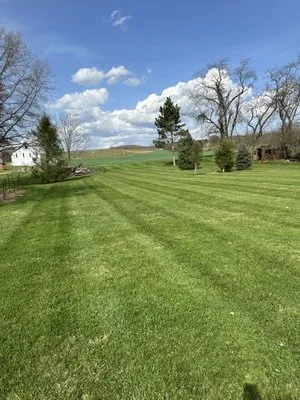
SJ Landscaping & Services is a trusted local company in Waynesboro, PA, dedicated to maintaining and enhancing your property year-round. We specialize in comprehensive lawn care, reliable snow removal...
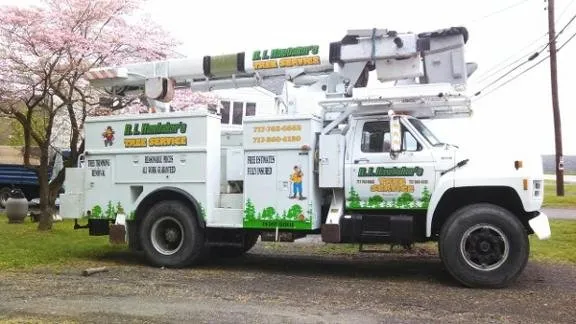
RL Hawbaker's Tree Service is a trusted tree care provider serving Waynesboro and the surrounding Pennsylvania communities. As a local, family-run business, we understand the specific needs of propert...

The Mowin Men is a trusted, family-owned lawn care business proudly serving the Waynesboro community and the greater Greencastle, PA school district area. We provide reliable lawn care, meticulous spr...
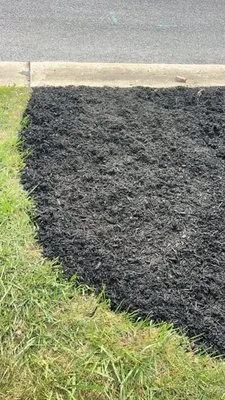
Travon's Lawncare&More is your trusted, full-service landscaping partner in Waynesboro, PA. We understand the local challenges homeowners face, from persistent yard drainage issues that can damage you...
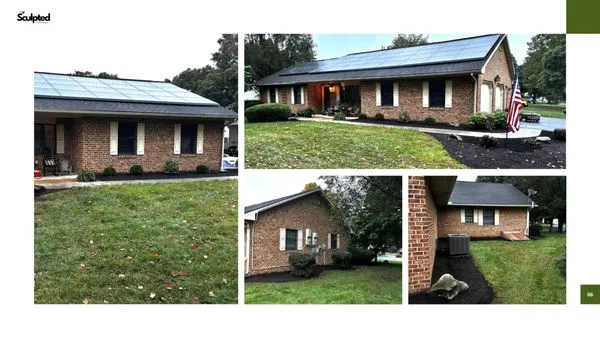
Sculpted Estatescape in Waynesboro, PA, specializes in creating and maintaining beautiful, functional outdoor spaces for our community. We understand the unique soil and climate conditions in the Fran...
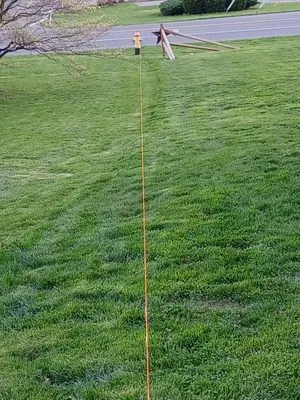
The Lawn Barber is a dedicated lawn care service serving Waynesboro, PA. We specialize in helping local homeowners maintain healthy, beautiful yards by tackling common regional challenges like persist...

Phoenix Greens is a family-run landscaping company rooted in the Waynesboro, PA area. Owner Matt brings a lifelong dedication to the craft, focusing on creating beautiful, functional outdoor spaces th...
Question Answers
I see invasive vines taking over my shrubs. How should I handle them?
Common invasive species like English Ivy or Japanese Honeysuckle require precise treatment to prevent damage to desirable plants. Manual removal of roots is best, but for established infestations, a targeted, systemic herbicide applied in late summer or fall is often necessary. Any application must strictly comply with the Pennsylvania Nutrient Management Act (PA-NMA), avoiding blackout dates near waterways and using only licensed products. This approach manages the invasion while protecting the local watershed from chemical runoff.
A storm damaged a large tree limb. How quickly can a crew respond for an emergency cleanup?
For HOA compliance or safety-related emergencies, a crew can typically be dispatched within the hour from a central staging area near Renfrew Museum and Park. The primary route utilizes PA-16, allowing for a 20-30 minute arrival to most properties in the borough during peak response times. The work window adheres to the standard noise ordinance, with operations scheduled between 7:00 AM and 9:00 PM. This logistical planning ensures rapid mitigation of hazards while respecting community standards.
How can I keep my Tall Fescue lawn healthy during dry spells without wasting water?
Integrating an EPA WaterSense certified smart irrigation controller is the most effective strategy. These Wi-Fi-based systems use local evapotranspiration (ET) data to adjust watering schedules dynamically, applying water only when the turfgrass needs it. This technology is essential for adhering to the borough's voluntary conservation stage, as it can reduce outdoor water use by 20% or more. Properly calibrated, it maintains the deep root system of a Tall Fescue blend while staying well within municipal water system limits.
My soil feels hard and water doesn't soak in well. Is this normal for my older home's yard?
Properties in the Downtown Historic District, with homes averaging 70 years old, have mature Hagerstown Silt Loam soil. Over decades, compaction from foot traffic and equipment reduces permeability, creating a dense layer that restricts root growth and water infiltration. Core aeration in early fall or spring, followed by top-dressing with compost, is critical to rebuild soil structure and manage the naturally acidic pH. This process introduces oxygen and organic matter, directly countering the seasonal saturation common in our clay subsoils.
I want to reduce mowing and gas equipment noise. What are my options?
Transitioning sections of high-maintenance turf to a xeriscape featuring native plants like Purple Coneflower, Switchgrass, and Eastern Redbud is a forward-looking strategy. These species are adapted to Zone 6b, require minimal supplemental water once established, and eliminate weekly mowing. This shift aligns with evolving noise ordinances that increasingly restrict gas-powered blowers and mowers, supporting a quieter neighborhood. Furthermore, it enhances local biodiversity and provides critical habitat for pollinators.
Is Pennsylvania Bluestone a good choice for a new patio compared to composite wood?
Pennsylvania Bluestone offers superior longevity and lower lifetime maintenance than wood or composite materials. Its mineral composition is non-combustible, which contributes directly to a property's defensible space and supports a Moderate Firewise USA rating in the wildland-urban interface. The stone's thermal mass helps moderate ground temperature, and its durability ensures it will not rot, warp, or require sealing like organic alternatives. This makes it a structurally sound and ecologically prudent investment for our climate.
My yard stays soggy for days after rain. What's a long-term solution that also looks good?
Moderate seasonal saturation is a direct result of the clay subsoil compaction beneath Hagerstown Silt Loam. A functional solution involves creating a dry creek bed or French drain system surfaced with permeable Pennsylvania Bluestone. This hardscape facilitates subsurface drainage while meeting Waynesboro Borough Planning & Zoning Department standards for stormwater management by reducing runoff. The stone's natural cleft texture provides excellent traction and integrates seamlessly with the local landscape aesthetic.
Do I need a permit to regrade my backyard, and what should I look for in a contractor?
Regrading a 0.22-acre lot typically requires a permit from the Waynesboro Borough Planning & Zoning Department to ensure proper drainage and compliance with erosion control ordinances. The contractor performing this work must hold a current license from the Pennsylvania Department of State's Bureau of Professional and Occupational Affairs. This licensing verifies they carry adequate insurance and understand state codes, which is crucial for work that alters water flow and could impact neighboring properties. Always request and verify this documentation before any earth-moving begins.
