Top Landscaping Services in Trooper, PA, 19403 | Compare & Call
There are 189 landscaping companies server in Trooper PA
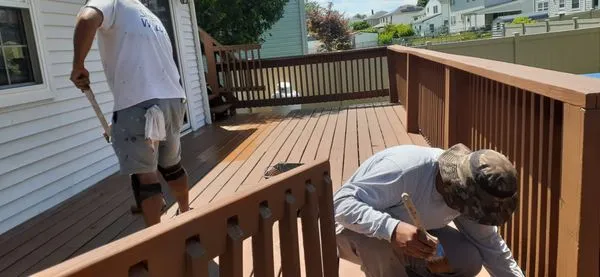
Natareno Landscaping Inc. is a Plumsteadville-based contractor founded and led by Ismael Castaneda. With over a decade of hands-on experience, we specialize in a comprehensive range of services for re...
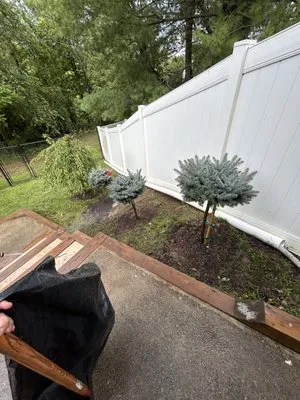
KO Lawn Care
KO Lawn Care is a locally owned and operated landscaping business in Feasterville-Trevose, PA, founded by Kenny and his team of dedicated local teens. Starting as a small venture to earn money, it has...
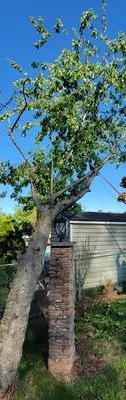
Eddie's Tree & Landscaping is your trusted, full-service provider in Hatboro, PA. We specialize in comprehensive tree care, expert landscaping, and reliable snow removal to keep your property beautifu...
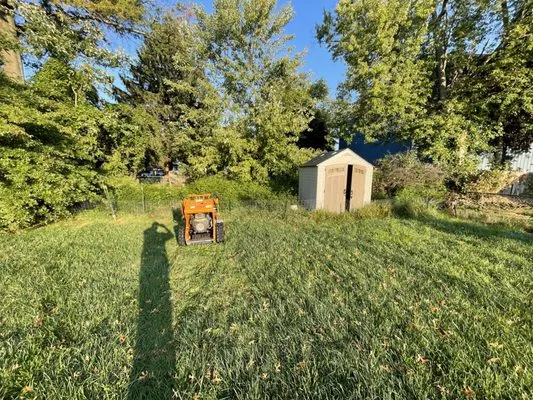
JNT Property Management in Warrington, PA, is a trusted local provider specializing in excavation, plumbing, and lawn services to support property management needs. With expertise in soil backfilling,...
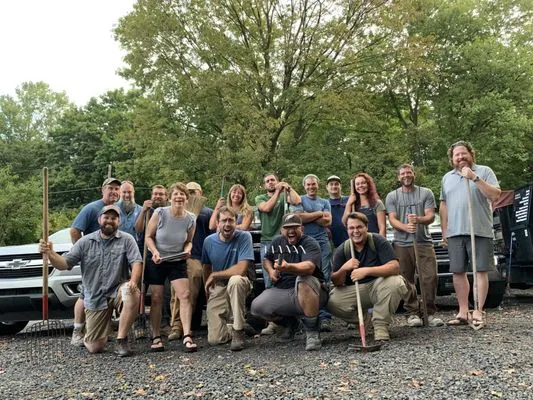
Indigenous Ingenuities is an ecologically focused design and build firm in Doylestown, PA, founded by owner Matt. The company brings together a team of horticulturists, designers, arborists, stone mas...
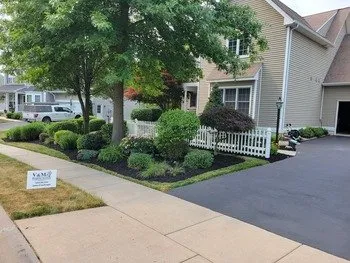
V&M Property Services is a trusted, locally-owned landscaping and irrigation company serving the Morgantown, PA community. Our team is dedicated to creating and maintaining beautiful, healthy outdoor ...
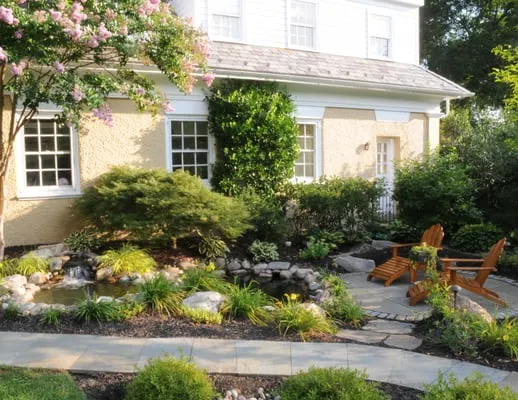
Keystone Gardens Inc, serving Wayne, PA and the Philadelphia suburbs since 1992, is a trusted landscaping and hardscaping company founded by Mike Garrison. Specializing in creating beautiful, function...
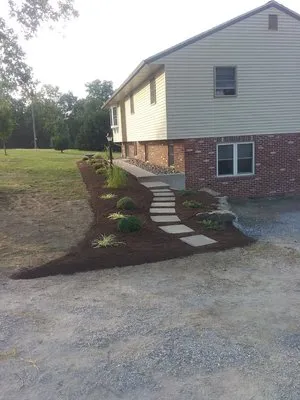
At Lilac Hill Landscapes in East Earl, PA, our work is rooted in family and deep, hands-on experience. As a father-and-sons team with over two decades in the Lancaster County landscaping industry, we ...
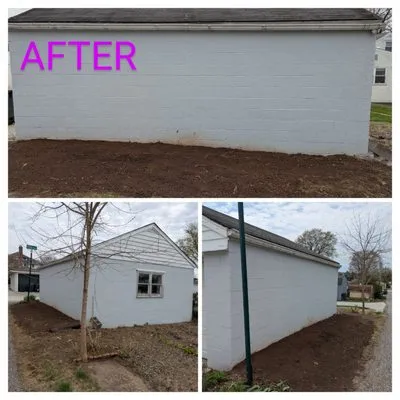
Your Favorite Landscaper is Norristown's trusted partner for year-round property care. We understand the unique challenges of local yards, from soil composition to common drainage issues. Seeing stand...
Augie's Landscaping in Broomall, PA, is a locally owned and operated business that began in high school and has grown through a commitment to quality work and customer satisfaction. We specialize in m...
Estimated Landscaping Service Costs in Trooper, PA
FAQs
What invasive plants should I watch for, and how do I remove them safely?
Key invasives in our area are Japanese Knotweed, Lesser Celandine, and Garlic Mustard. Manual removal before seed set is most effective. For persistent perennials, a targeted, systemic herbicide applied in late fall minimizes drift and complies with the Pennsylvania Nutrient Management Act's focus on precise application. Never compost these plants. Integrating competitive natives like Switchgrass after removal helps prevent re-establishment.
I'm tired of weekly mowing. What's a lower-maintenance, eco-friendly alternative?
Transitioning high-input turf areas to a native plant community is the strategic move. Species like Butterfly Milkweed, Purple Coneflower, and Little Bluestem thrive in our Zone 7a climate and Glenelg soil, requiring no irrigation once established. This xeriscape approach eliminates weekly mowing and gas-powered blowing, future-proofing your property against tightening noise ordinances. It also provides critical habitat, supporting local biodiversity far beyond a monoculture lawn.
Why does my lawn in Trooper Heights seem to drain poorly and need so much fertilizer compared to newer homes?
Most Trooper homes, built around 1966, have 60-year-old landscape soil. Original Glenelg-Manor Channery Silt Loam has become compacted by decades of mowing and foot traffic, reducing its natural permeability. This clay-heavy subsoil limits root growth and water infiltration, creating runoff. Core aeration and adding 1/4-inch of compost annually are essential to rebuild soil structure and biology, reducing your dependence on synthetic inputs.
How can I keep my Tall Fescue green during summer without violating water conservation requests?
Wi-Fi ET-based weather-sensing controllers are the solution. They adjust irrigation schedules daily based on local evapotranspiration data, applying water only when needed. For Glenelg soil, this means deeper, less frequent cycles to encourage drought-tolerant roots. This technology can reduce potable water use by 20-30% while maintaining turf health, aligning perfectly with Trooper's voluntary conservation standards and preserving soil moisture.
Do I need a permit to regrade my yard or install a dry creek bed?
Any significant earth-moving or drainage structure on a 0.35-acre lot likely requires review by the Lower Providence Township Planning & Zoning Department to ensure compliance with stormwater codes. Furthermore, the contractor must hold a valid Pennsylvania Attorney General Home Improvement Contractor Registration. This licensing is mandatory for projects exceeding $500 and is your assurance of legal recourse and adherence to state contract law, protecting your investment.
My HOA gave me a notice for overgrown grass—how fast can you get a crew here for compliance?
For urgent HOA compliance, we dispatch from the Trooper Road and Ridge Pike intersection. Taking US-422 allows a peak response time of 20-30 minutes. Our electric mowing fleet operates within the township's 8:00 AM to 8:00 PM noise ordinance, enabling immediate, quiet service. We prioritize these calls to prevent fines, typically completing a standard 0.35-acre mow and edge within two hours of arrival.
Water pools near my foundation after heavy rain. What's the best way to fix this?
Moderate runoff is common here due to our clay-heavy subsoil compaction. The primary fix is regrading to create positive slope away from the foundation. For patios or walkways, specify permeable installations using Pennsylvania Bluestone set on a gravel base to increase infiltration. These solutions often meet Lower Providence Township's stormwater management standards and can be designed to direct water to a rain garden planted with native Switchgrass.
Is Pennsylvania Bluestone a better choice than wood for a new patio?
Yes, for longevity and low maintenance. Bluestone is a native sedimentary rock with exceptional durability against freeze-thaw cycles, unlike wood which decays and requires sealing. Its thermal mass moderates temperature, and when laid with permeable joints, it improves site drainage. For our low Fire Wise rating, non-combustible stone also provides superior defensible space compared to a wooden deck, enhancing safety at the urban-suburban interface.
