Top Landscaping Services in Trainer, PA, 19061 | Compare & Call
There are 138 landscaping companies server in Trainer PA
The Man Landscaping & More is a family-owned business in Chester, PA, dedicated to providing quality work on every project. Specializing in demolition, cleaning, and landscaping, we take pride in our ...
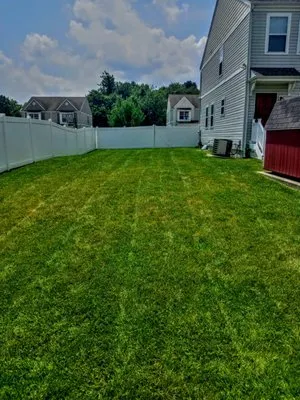
Ricks Family Landscaping is a trusted, locally-owned landscaping service dedicated to enhancing the beauty and health of Chester, PA properties. We understand the unique challenges homeowners face her...
Founded in 2017 by Mike Ancone, Ancone Landscaping LLC is a Brookhaven-based landscaping company built on a foundation of hands-on expertise and a commitment to the local community. Mike honed his ski...
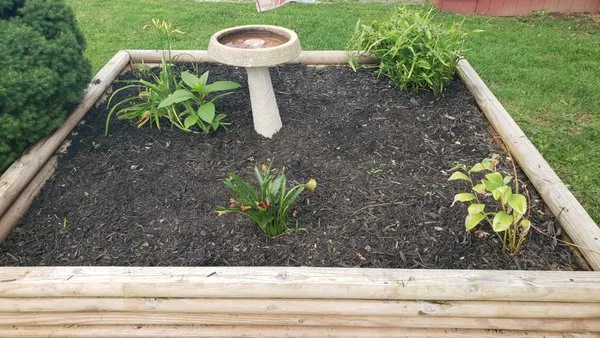
Fullman Turf Wars is a trusted Chester-based company specializing in junk removal, hauling, and lawn services. We help Chester residents and businesses manage waste responsibly while maintaining healt...
Top Cut Lawn Service
Top Cut Lawn Service is a trusted, full-service landscaping company serving Chester, PA and surrounding areas. We specialize in comprehensive lawn care, professional landscape design, and reliable sno...
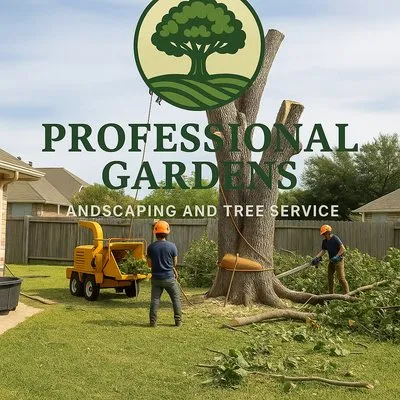
Professional Gardens Landscaping & Tree Service is a trusted local provider in Chester, PA, offering comprehensive tree and lawn care solutions. We specialize in tree removal, trimming, stump grinding...
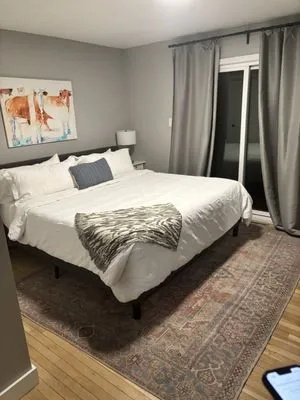
Q's Junk Removal And Landscaping is a trusted local business in Chester, PA, specializing in comprehensive landscaping and junk removal services. We help Chester residents and businesses maintain beau...
Green Landscapes is a trusted Upper Chichester, PA landscaping company dedicated to enhancing local outdoor spaces with practical, sustainable solutions. We specialize in addressing common area issues...
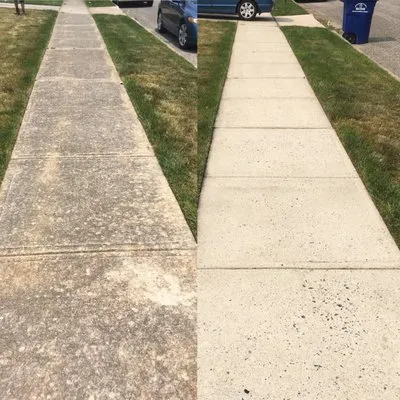
Vivid Yard Solution is a Chester, PA-based landscaping and pressure washing company founded by an industry professional with 15 years of experience as a foreman, manager, and trainer in the Philadelph...
Carl's General Landscaping is a trusted local landscaping company serving Chester, PA homeowners with comprehensive yard care solutions. We specialize in addressing common local issues like yard drain...
Estimated Landscaping Service Costs in Trainer, PA
FAQs
What permits and credentials are needed for regrading my yard?
Significant regrading on a 0.15-acre lot in Trainer typically requires a permit from the Trainer Borough Building & Zoning Department to ensure proper stormwater management and adherence to lot coverage rules. The contractor must hold appropriate licensing through the Pennsylvania Department of State - Bureau of Professional and Occupational Affairs. This ensures they carry the required insurance and understand state excavation standards. Always verify both the local permit and the contractor's state license before work begins to protect your property and comply with regulations.
We have a sudden HOA notice for overgrowth. How quickly can you respond for compliance?
For urgent HOA compliance, our electric fleet can dispatch from the Trainer Borough Hall area. Using I-95 for access, we target a 20-30 minute arrival during peak hours, adhering to municipal noise ordinances that restrict operation to 8:00 AM - 8:00 PM. The initial service focuses on bringing the property to code with quiet, efficient equipment. A follow-up assessment can then schedule a comprehensive plan to prevent future violations, considering the 0.15-acre lot size.
Is Pennsylvania Bluestone a better choice than wood for a new patio?
Pennsylvania Bluestone offers superior longevity and lower lifetime maintenance compared to wood. Its natural durability requires no sealing or annual treatment, and it provides excellent thermal mass, staying cooler in sun than composite materials. In terms of fire safety, its non-combustible nature contributes to defensible space, which is relevant even in Trainer's low urban-wildfire risk rating. For patios and walkways, bluestone's aesthetic versatility and permeability when dry-laid make it a resilient, sustainable choice.
I'm tired of constant mowing and blowing. Are there lower-maintenance options?
Yes, transitioning high-maintenance turf to a climate-adaptive landscape is a forward-thinking strategy. Incorporating native plants like Eastern Redbud, Switchgrass, and New England Aster significantly reduces water, mowing, and fertilization needs. This shift also prepares your property for evolving municipal regulations, such as potential restrictions on gas-powered blowers governed by noise ordinances. The resulting landscape supports local biodiversity, requires minimal inputs, and provides year-round visual interest with less labor.
My yard pools water after storms. What's a good solution given our location?
Moderate runoff is common in Trainer due to the Delaware River basin and silt loam's moderate permeability. A primary solution is regrading to direct surface flow away from foundations. For hardscape additions, using permeable Pennsylvania Bluestone setts or a gravel base increases infiltration, meeting Borough runoff standards. Integrating a dry creek bed or rain garden with native plants like Swamp Milkweed can manage water aesthetically while improving soil absorption and reducing erosion on your property.
How can I keep my Tall Fescue healthy with water conservation in effect?
Voluntary conservation in Trainer aligns with smart irrigation technology. A Wi-Fi ET-based controller adjusts watering schedules daily based on local evapotranspiration data, preventing overwatering. For Tall Fescue blends, this means deeper, less frequent cycles that encourage drought-tolerant root growth. This system automatically respects municipal water limits, often reducing usage by 20-30% while maintaining turf viability. Properly calibrated, it is the most effective tool for sustainable lawn care under current guidelines.
My lawn seems compacted and thin. What's the history of the soil in Trainer that might explain this?
Trainer's residential lots, developed around 1957, have nearly 70-year-old soil profiles. The predominant silt loam, while fertile, is prone to compaction from decades of foot traffic and conventional maintenance, reducing percolation and root penetration. This compaction limits oxygen and water movement, creating a challenging environment for turf grass. Annual core aeration in early fall is critical to alleviate this, followed by top-dressing with compost to rebuild organic matter and improve soil structure for long-term health.
What invasive species should I watch for, and how do I handle them safely?
Common invasive alerts in Zone 7b include Japanese Knotweed, Mile-a-Minute Vine, and Garlic Mustard. Manual removal is effective for small infestations before seed set. For chemical treatment, select EPA-registered herbicides and apply them precisely, strictly following the PA Nutrient Management Act. This act may dictate blackout dates near waterways to protect the Delaware River basin. Always identify the species first, as treatment timing and method are critical for efficacy and environmental safety.
