Top Landscaping Services in Sunbury, PA, 17801 | Compare & Call

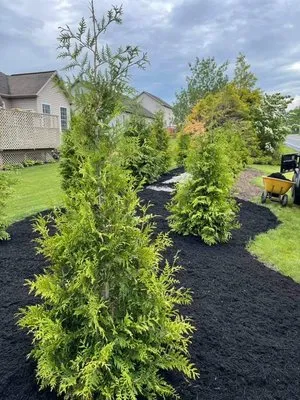
Mull's Landscaping & Mowing Services is a trusted, locally-owned lawn care provider serving Sunbury, PA, and surrounding areas. We understand the unique challenges Sunbury homeowners face, from strugg...
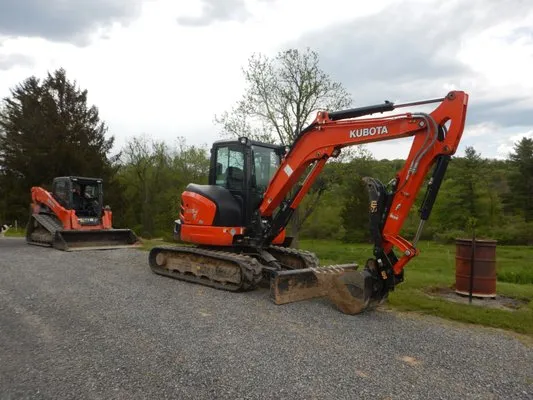
DirtSmith is a locally owned and operated excavation and landscaping company serving Sunbury and the surrounding areas. As the owner and primary operator, I'm the person you'll talk to and the one who...

Scott j Young Landscaping is a trusted, locally-owned landscaping company serving Sunbury, PA, and the surrounding areas. We understand the common frustrations homeowners face, such as dead lawn patch...

Selinsgrove Turf is a family-owned business that has been serving the Sunbury, PA community for over 7 years. We specialize in both commercial cleaning and lawn care services, offering tailored soluti...
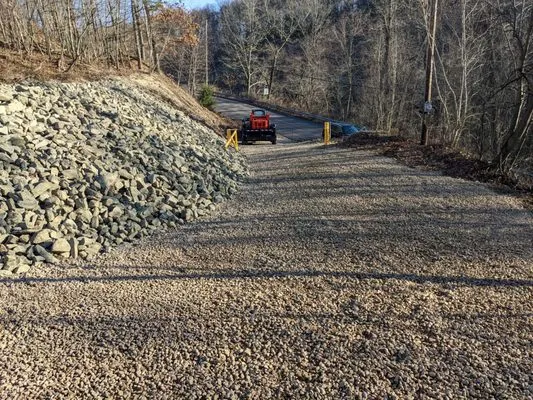
Appalachian Dirt Works is a Sunbury, PA-based excavation and landscaping company serving homeowners and businesses throughout the region. We specialize in solving common local landscaping challenges l...

Los Amigos is a trusted, locally-owned service provider in Sunbury, PA, dedicated to helping homeowners maintain beautiful and healthy outdoor spaces. We specialize in expert lawn care services design...
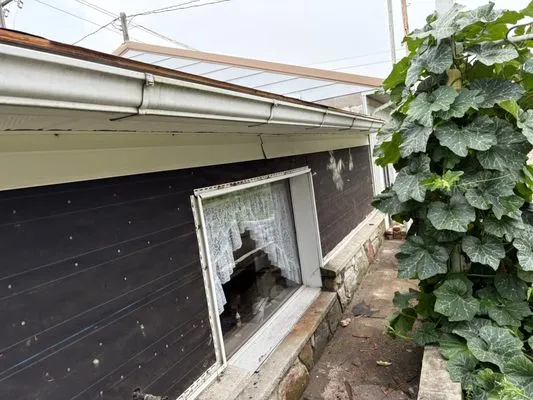
Infinite Construction is a trusted, full-service contractor serving Sunbury, PA, and the surrounding area. We specialize in general construction, expert masonry, and comprehensive landscaping services...
Zimm's Landscaping is a trusted, locally-owned landscaping company serving Sunbury, PA, and the surrounding communities. With deep roots in the area, we understand the unique challenges Sunbury homeow...
Common Questions
Can a smart irrigation system really save water on a Kentucky Bluegrass lawn?
Yes, Wi-Fi-enabled, weather-based controllers are essential for efficient turf management in Sunbury's voluntary conservation environment. These systems use real-time evapotranspiration (ET) data and local rain sensors to adjust runtime automatically, preventing overwatering. This technology directly addresses the high water needs of a Kentucky Bluegrass and Tall Fescue blend by applying water only when and where the soil moisture deficit requires it, often reducing municipal water use by 20-30% while maintaining turf health.
Do we need a permit to regrade our backyard?
Yes, significant regrading on a 0.15-acre lot in Sunbury typically requires a permit from the City Zoning and Code Enforcement office. The review ensures changes do not adversely impact neighboring drainage patterns or violate setback requirements. Furthermore, the excavation and grading work itself must be performed by or under the supervision of a contractor licensed by the Pennsylvania Department of Agriculture, as it often involves heavy machinery and can impact soil stability and utility lines.
What should we do about invasive plants like Japanese Knotweed?
Invasive species like Japanese Knotweed or Tree-of-Heaven pose a significant threat to Sunbury's ecosystem. Safe, effective treatment requires professional-grade herbicide applications, which are strictly regulated. All applications must be performed by a licensed professional under the Pennsylvania Department of Agriculture's rules and must adhere to the nutrient and chemical focus of the Pennsylvania Fertilizer Act, including observing any seasonal blackout dates designed to protect watershed health.
Is there a lower-maintenance alternative to our weekly-mowed grass?
Transitioning high-input turf areas to a xeriscape featuring native perennials and grasses directly reduces maintenance burdens. A planting of Switchgrass, Wild Bergamot, New England Aster, and Common Milkweed establishes a resilient, drought-tolerant matrix that requires no weekly mowing, minimal watering, and supports local pollinators. This shift also future-proofs your property against evolving noise ordinances that may restrict gas-powered blowers and mowers, aligning with a move toward quieter, electric maintenance fleets.
Why is the soil in our yard so compacted, and what can we do about it?
Sunbury Historic District properties, with an average house age from 1940, have developed a mature, dense soil profile over 86 years. The acidic silt loam common here becomes heavily compacted from decades of foot traffic and traditional maintenance, reducing permeability and root zone oxygen. Core aeration in early fall, followed by top-dressing with compost, is the primary corrective action. This process mechanically fractures the compaction layers and introduces organic matter to improve soil structure and biological activity.
Is Pennsylvania Bluestone a better patio choice than wood?
For longevity and reduced lifecycle maintenance, Pennsylvania Bluestone is superior to wood. While wood decks require periodic sealing and eventual replacement, properly installed bluestone is a permanent, inert material. In the context of Sunbury's low Firewise rating, bluestone also provides a non-combustible, defensible space immediately adjacent to the home, unlike wooden structures. Its natural thermal mass can moderate micro-climate temperatures in the patio area.
Our yard floods during heavy rains. What's a long-term solution?
Moderate seasonal runoff is common in Sunbury due to the Susquehanna River's influence and the low permeability of dense silt loam soils. A functional solution involves regrading to create positive surface flow away from foundations and installing subsurface French drains. For new hardscape, specifying dry-laid Pennsylvania Bluestone with permeable jointing sand, rather than solid concrete, increases on-site infiltration. These measures help manage runoff to meet Sunbury City Zoning and Code Enforcement standards for stormwater.
How quickly can a crew respond for emergency storm debris cleanup?
For an urgent HOA compliance or safety issue in Sunbury, our standard dispatch originates from our staging area near Cameron Park. Using PA-147, we can typically mobilize a crew and reach most properties within the Historic District in 20 to 30 minutes during peak hours. The response window accounts for traffic variables and the time required to load specialized electric chippers and hauling equipment, which operate quietly within the 7:00 AM to 9:00 PM noise ordinance.
