Top Landscaping Services in Sugarcreek, PA, 16301 | Compare & Call
There are 58 landscaping companies server in Sugarcreek PA
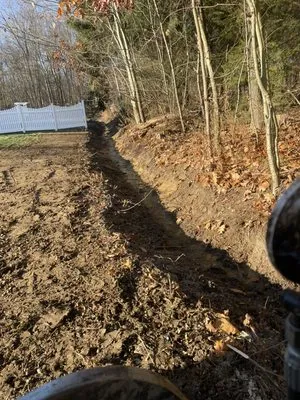
Doyles Outdoor Solutions is your trusted local partner for excavation, landscaping, and foundation repair in Utica, PA. We understand that many homes in our area struggle with bare lawn patches and pe...
Specialty Stones in Polk, PA, is your local source for premium landscaping stone and expert solutions. We understand the unique challenges Polk homeowners face, from persistent weed infestations to sh...

Landscaping Connections is a family-owned business serving Franklin, PA, and the surrounding areas since 1999. We specialize in landscaping equipment and supplies, along with a wide selection of dumps...
Huber's Landscaping is a trusted, locally-owned landscaping company serving Franklin, PA, and the surrounding areas. We specialize in addressing the common yard drainage problems and soil compaction i...
Jennerstown Supply Yard is your Franklin-area partner for all things landscaping, helping you keep your property beautiful and resilient against our region's weather. We understand the common challeng...
All In One Services is your trusted local expert in Franklin, PA, specializing in both interior drywall solutions and exterior lawn care. We help Franklin homeowners and businesses maintain beautiful,...

Kennedy Landscape Supplies
Kennedy Landscape Supplies in Cochranton, PA, is a family-owned and operated business serving both commercial and residential customers with essential landscaping materials and services. As the larges...

Picture Perfect Lawn Care Service
Picture Perfect Lawn Care Service is your trusted local expert in Cooperstown, PA, specializing in landscaping, window washing, and pressure washing. We understand the common challenges homeowners fac...
Estimated Landscaping Service Costs in Sugarcreek, PA
Question Answers
My yard becomes a soggy mess after heavy rain. What's a lasting solution for this clay soil?
Saturated clay soils in our area create high runoff. A primary solution is replacing impermeable surfaces with permeable paving systems using Pennsylvania Bluestone set on an open-graded aggregate base. This design allows stormwater to infiltrate directly into the subsoil, reducing surface pooling. Such systems often comply with Sugarcreek Borough Zoning Office runoff standards and can be integrated with French drains or dry creek beds for comprehensive management.
Is Pennsylvania Bluestone a better long-term choice than wood for patios and walkways?
Pennsylvania Bluestone offers superior longevity and requires far less maintenance than wood, which decays and requires chemical treatments. As a non-combustible material, bluestone also contributes to creating defensible space around structures, a key consideration for areas with a Moderate Firewise USA rating. Its durability and fire-resistant properties make it a technically sound and resilient choice for permanent hardscape installations.
What invasive species should I watch for, and how do I handle them with Pennsylvania's fertilizer laws?
Common invasive alerts for this region include Japanese Knotweed and Tree-of-Heaven. Treatment requires an integrated approach, often starting with careful manual removal or targeted, licensed herbicide application. All nutrient applications for follow-up restoration must adhere to the Pennsylvania Fertilizer Act, which regulates timing and formulation to protect watersheds. We develop management plans that avoid state-mandated blackout dates and prioritize soil health rebuilding.
Our lot seems to hold water and the grass struggles. Is this a common issue for homes built around 1953?
Yes, this is a predictable condition for Sugarcreek Borough Center. Homes built in 1953 have soils with over 70 years of development, resulting in a mature but highly compacted Acidic Silty Clay Loam. This soil type has naturally poor permeability, which explains the water retention. Core aeration and the addition of composted organic matter are critical to improve soil structure, increase oxygen to root zones, and enhance percolation.
How quickly can you respond for an emergency storm cleanup to meet HOA compliance deadlines?
Our dispatch protocol prioritizes Sugarcreek Borough. For an emergency call, our crew would mobilize from the Sugarcreek Borough Building, taking PA-8 directly to your neighborhood. We account for typical traffic patterns to ensure a response window of 20-30 minutes during peak storm conditions, allowing for immediate debris management and safety hazard mitigation.
Do I need a permit to regrade my backyard, and what should I look for in a contractor?
Regrading a 0.35-acre lot often requires a permit from the Sugarcreek Borough Zoning Office, as it alters stormwater flow patterns. More critically, any contractor performing this work must hold appropriate licensing through the Pennsylvania Department of Agriculture for pesticide application if soil amendments are used, and may require other specialty certifications for earth moving. Always verify these credentials to ensure the work meets code and is performed to current environmental standards.
How can I maintain a healthy Kentucky Bluegrass lawn without wasting water, especially since we only have voluntary conservation?
Voluntary conservation in Sugarcreek is best managed with an ET-based smart controller integrated with in-ground soil moisture sensors. This system bypasses scheduled watering when the soil profile is adequately hydrated, applying water only during the most efficient early morning hours. This precise approach maintains turfgrass health while reducing potable water use by 30-50% compared to traditional timer systems, aligning with responsible resource management.
I want to reduce mowing and gas equipment noise. What are some lower-maintenance landscape options?
Transitioning high-maintenance turf to climate-adaptive xeriscaping with native plantings is a forward-thinking strategy. Species like Eastern Redbud, Swamp Milkweed, Wild Bergamot, and New England Aster are adapted to our Zone 6a climate and acidic soils, requiring minimal supplemental water once established. This approach significantly reduces the need for weekly mowing and gas-powered blowers, aligning with evolving noise ordinances and supporting local biodiversity.
