Top Landscaping Services in Strasburg, PA, 17579 | Compare & Call

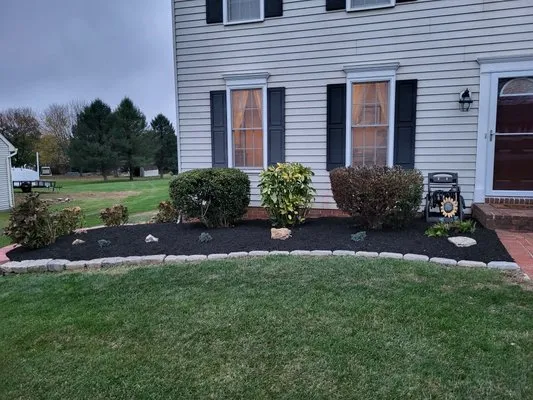
White Oak Landscaping is a Strasburg, PA-based company dedicated to enhancing the natural beauty of Lancaster County. As a local resident, the owner is committed to improving the community's landscape...

Pine View Landscaping
Pine View Landscaping is a local, Strasburg-based company specializing in landscape design and installation to solve common regional challenges. We frequently address issues like tree root lawn damage...
Tiger Enterprises is a trusted general contracting and landscaping company serving Strasburg, PA, and the surrounding communities. We specialize in addressing common local landscaping challenges, part...
Yardvark is a full-service landscaping company serving Strasburg, PA, specializing in transforming outdoor spaces with durable, functional, and beautiful solutions. We understand that local homeowners...
Ross Lawn Service is a locally owned and operated business serving Strasburg, PA, and surrounding areas. With over a decade of experience and PA license #PA117037, we provide reliable lawn care, snow ...
Good's Gro Green is a trusted lawn care provider serving Strasburg, PA, dedicated to maintaining healthy, vibrant lawns for local homeowners. We specialize in comprehensive lawn care services that dir...
Campbell's Custom Cutting is a trusted local landscaping company serving Strasburg, PA, and the surrounding Lancaster County area. We specialize in addressing common local yard challenges like poor dr...
Q&A
What permits and licenses are needed to regrade and landscape my 0.25-acre lot?
Significant regrading that alters water flow typically requires an earth disturbance permit from the Strasburg Borough Planning & Zoning office. Any contractor applying pesticides must hold a current license from the Pennsylvania Department of Agriculture. For projects on a 0.25-acre lot, verifying this professional licensing is essential, as it ensures compliance with state nutrient management laws and proper execution of work that affects soil stability and drainage patterns.
I want to reduce constant mowing and gas equipment noise. What are my options?
Transitioning high-maintenance turf areas to a native plant palette is a forward-looking strategy. Using species like Eastern Redbud, Switchgrass, and Purple Coneflower creates a resilient, low-input landscape. This reduces mowing frequency and dependency on gas-powered blowers and trimmers, which is prudent given noise ordinances restricting hours. This approach conserves water, supports local pollinators, and minimizes carbon emissions from maintenance equipment.
What is your fastest response for emergency storm debris cleanup to meet HOA compliance?
For urgent HOA compliance after a storm, our standard dispatch originates from the Strasburg Borough Square. Using PA-896 (Historic Strasburg Pike), we can typically reach most Historic District properties within 20-30 minutes during peak response windows. Crews are equipped for immediate safety hazard removal and initial debris staging, ensuring your property meets visibility and access standards swiftly to avoid violation notices.
My yard floods after heavy rains. What is the most effective long-term solution?
Moderate runoff is a frequent issue with Duffield Silt Loam due to clay subsoil compaction. The core solution involves improving soil infiltration through aeration and amending with organic matter. For hardscape areas, specifying permeable installation methods for Pennsylvania Bluestone patios or walkways can significantly reduce surface runoff. These strategies help manage stormwater on-site, which aligns with Strasburg Borough Planning & Zoning's emphasis on reducing tributary loading.
Is Pennsylvania Bluestone a better choice than wood for a new patio?
Pennsylvania Bluestone offers superior longevity and lower lifecycle maintenance compared to wood. Its mineral composition is non-combustible, contributing to defensible space—a consideration even in Strasburg's low Fire Wise rating urban-suburban interface. Bluestone's durability withstands freeze-thaw cycles in Zone 6b, and when installed with permeable bases, it aids in stormwater management, making it a structurally and ecologically sound investment.
How can I maintain a healthy lawn while respecting Strasburg's water conservation guidelines?
Voluntary conservation is encouraged, and modern Wi-Fi ET-based weather-sensing controllers are the solution. These systems automatically adjust irrigation schedules using real-time evapotranspiration data, applying water only when your Kentucky Bluegrass and Tall Fescue blend needs it. This technology can reduce outdoor water use by 20-30% compared to traditional timers, preserving turf health while operating well within municipal water expectations.
Why does my lawn have such poor drainage and thin grass compared to newer neighborhoods?
Properties in the Historic District, with an average construction year of 1981, have 45-year-old landscaping soil. Duffield Silt Loam, common here, becomes severely compacted over decades, especially from clay subsoil. This compaction reduces permeability and root penetration, explaining the poor drainage and thin turf. Core aeration and incorporating 2-3 inches of compost are critical to rebuild soil structure and organic matter for healthy plant growth.
What invasive species should I watch for, and how do I control them safely?
Common invasive alerts in Zone 6b include Japanese Knotweed, Tree-of-Heaven, and Lesser Celandine. Safe treatment prioritizes mechanical removal and targeted, systemic herbicide applications by a licensed professional. All fertilization and chemical applications must use phosphorus-free products as required by the PA Nutrient Management Act. Correct timing in early growth stages is critical to prevent spread and protect soil and water quality.
