Top Landscaping Services in Skippack, PA, 19426 | Compare & Call
There are 184 landscaping companies server in Skippack PA

EcoGreen Lawn Care is a family-owned Eagleville lawn service founded in 2011 by Dave Walsh. With over 25 years of industry experience, Dave started the company to provide a safer, more effective alter...
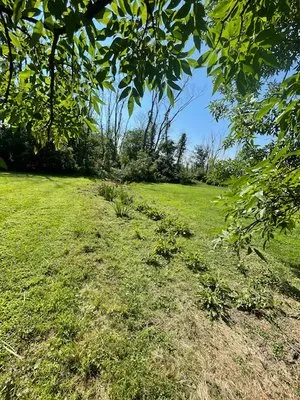
The First Landscaping serves the Bedminster Township, PA community by providing expert solutions to common local property challenges. We specialize in addressing soil compaction and landscape edging d...
For over 45 years, McCauley Tree & Landscaping Services has been a trusted name for property owners in Harleysville and across Montgomery and Bucks counties. Founded in 1976 as a family-run operation,...

John Kennedy Cleaning
John Kennedy Cleaning is a family-owned and operated cleaning service based in Schwenksville, PA, dedicated to the complete satisfaction of every client. We are not an impersonal franchise; we treat e...
Strouse Landscaping has been a trusted part of the Schwenksville community and surrounding Montgomery and Bucks Counties since 1986. As a family-owned and operated business, we provide comprehensive r...
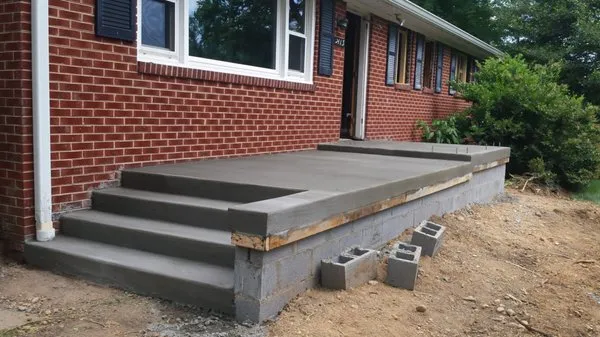
RE Concrete and Paving
RE Concrete and Paving is a family-owned construction business serving Telford, PA, and surrounding Pennsylvania communities since 2005. With over 16 years of experience, they specialize in concrete a...
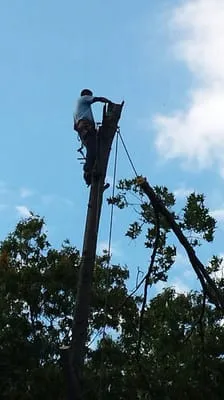
Eds Affordable Tree & Landscaping Service
Eds Affordable Tree & Landscaping Service is a Philadelphia-based company dedicated to maintaining and enhancing outdoor spaces for local homeowners and businesses. We specialize in comprehensive tree...
Harvest Landscaping is a trusted Worcester, PA-based landscaping company dedicated to enhancing outdoor spaces while addressing common local challenges like mulch bed weeds and lawn fungus disease. Se...
Pavescaper is a Skippack-based landscaping and masonry contractor specializing in durable, functional outdoor solutions for local homeowners. We address common Skippack landscaping challenges like shi...

O’Neill Fence Company has been a trusted name in Montgomery County since John O’Neill founded the business in 1981. Today, his son Pat runs the day-to-day operations, bringing decades of hands-on expe...
Estimated Landscaping Service Costs in Skippack, PA
Q&A
Is Pennsylvania Bluestone a better choice than a wooden deck for a new patio?
For longevity and minimal maintenance, Pennsylvania Bluestone is superior. It is a durable, local stone that withstands freeze-thaw cycles and requires no sealing or staining. Unlike wood, it does not rot, warp, or attract pests. In areas with higher fire risk, its non-combustible nature also contributes to defensible space, though Skippack currently has a Low Fire Wise rating in a non-WUI zone.
Why does my Skippack Village lawn feel spongy and drain poorly, even with regular care?
Properties built around the 1994 average have soils with over 30 years of development. The native acidic silt loam often has a clay-heavy, compacted subsoil layer that restricts water percolation. This compaction creates a perched water table, leading to surface runoff and a spongy feel. Core aeration and amending with composted organic matter are critical to rebuild soil structure and improve permeability for mature Skippack lots.
What permits and credentials should I verify before hiring a contractor for major grading work on my half-acre lot?
Any significant earth-moving or grading on a 0.45-acre property requires checking two key credentials. First, the contractor must hold a valid Pennsylvania Attorney General Home Improvement Contractor Registration. Second, the Skippack Township Planning & Zoning Department may require a permit for projects that alter stormwater flow patterns. Always request proof of both before work begins to ensure compliance and property protection.
My HOA issued a violation notice for overgrowth. How quickly can a crew get here for emergency cleanup?
Standard service response from our dispatch near Palmer Park is 20-30 minutes via PA Route 73. For HOA compliance, we prioritize these calls during restricted weekday noise ordinance hours (7:00 AM - 9:00 PM). The crew will perform a detailed trim, debris removal, and site verification to meet your covenant standards within a single visit.
I've spotted invasive Japanese Knotweed on my property. How do I handle it safely and legally?
Japanese Knotweed is a high-priority invasive that requires professional herbicide treatment. Application must avoid the Pennsylvania Nutrient Management Act's blackout dates, which prohibit treatment on frozen or saturated soil to prevent runoff. A licensed specialist will use a targeted, systemic herbicide in the growing season, followed by monitoring, to eradicate the rhizomes without contaminating the local watershed.
I want a lower-maintenance yard that supports local wildlife. What should I plant?
Transitioning sections of high-input turf to a native palette is highly effective. Eastern Redbud, Switchgrass, Swamp Milkweed, and Black-eyed Susan are adapted to USDA Zone 7a and Skippack's acidic soil. This planting strategy reduces mowing, eliminates the need for gas-powered blowers during restricted hours, and provides critical habitat, aligning with 2026 biodiversity and quiet community goals.
My backyard pools water after every storm. What's a lasting solution that also looks good?
Moderate runoff is common here due to the dense, clay-heavy subsoil. A functional solution integrates subsurface French drains with a permeable surface layer. Using Pennsylvania Bluestone set in a gravel base creates a patio or path that meets Skippack Township's runoff standards by allowing infiltration. This system manages water at the source, preventing erosion and basement issues.
How can I keep my Kentucky Bluegrass and Tall Fescue blend green during summer without violating water conservation rules?
Voluntary conservation status in Skippack allows for efficient watering using smart Wi-Fi ET-based controllers. These systems schedule irrigation based on real-time evapotranspiration data, applying water only when the turf needs it. This method can reduce usage by up to 30% compared to traditional timers, preserving the cool-season grass blend while staying well within municipal guidelines for responsible use.
