Top Landscaping Services in Shoemakersville, PA, 19555 | Compare & Call
There are 138 landscaping companies server in Shoemakersville PA
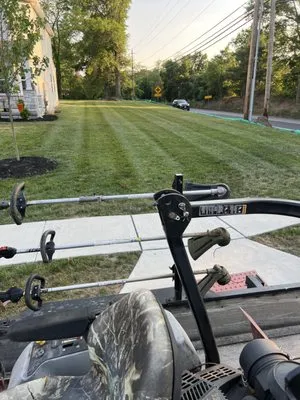
Forest Ridge Property Services is a full-service landscaping company serving Kutztown and the surrounding area. We specialize in solving common local yard problems like poor drainage from improper gra...
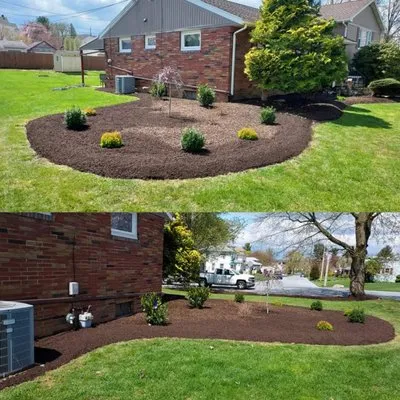
Revitalize Landscape & Lawn Care
Revitalize Landscape & Lawn Care is a trusted local provider in Sinking Spring, PA, specializing in comprehensive lawn and landscape solutions. We offer professional landscape design, routine lawn car...
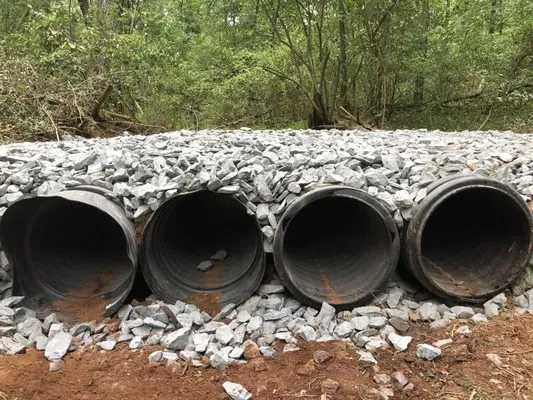
Iron Valley Contracting is a trusted lawn service provider based in Blandon, PA, dedicated to helping local homeowners maintain beautiful, healthy outdoor spaces. We specialize in comprehensive lawn c...
J&C Landscaping is a trusted local landscaping company serving homeowners in Shoemakersville, PA. We specialize in addressing common residential landscaping challenges, such as irrigation timer failur...
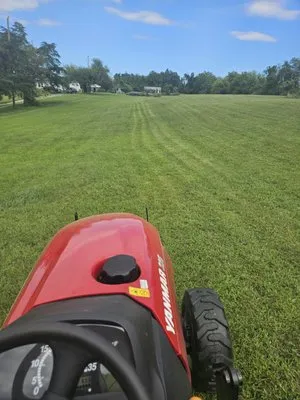
Varners Tree & Lawn Care is a trusted local provider in Shoemakersville, PA, offering comprehensive lawn and tree services to keep your property healthy and beautiful. We specialize in addressing comm...
Colby's Lawn Care is a trusted local lawn service provider serving Shoemakersville, PA, and the surrounding communities. We specialize in comprehensive lawn care solutions designed to address common l...
Lawn Doctor in Barto, PA is your trusted local partner for comprehensive outdoor care, specializing in landscaping, pest control, and tree services. We understand the unique challenges homeowners face...
The Perfect Touch Lawn Care is a trusted landscaping company serving Sinking Spring, PA, dedicated to enhancing outdoor spaces with precision and care. We specialize in addressing common local issues ...
Estimated Landscaping Service Costs in Shoemakersville, PA
Frequently Asked Questions
Is Pennsylvania Bluestone a better choice than wood for a new patio?
For longevity and low maintenance, Pennsylvania Bluestone is superior. It is a durable, local stone that withstands freeze-thaw cycles and requires no sealing or replacement like wood. Its non-combustible nature also contributes to a defensible space, which is a prudent consideration even in Shoemakersville's low Fire Wise rating zone. A properly installed dry-laid bluestone patio also improves site drainage compared to solid concrete slabs.
What permits and credentials should I verify before hiring for major landscaping work?
For any grading, drainage, or structural work on a 0.25-acre lot, always verify two things. First, the contractor must obtain any necessary earth disturbance permits from the Shoemakersville Borough Office. Second, the individual applying pesticides or herbicides must hold a current license from the Pennsylvania Department of Agriculture. Using an unlicensed applicator voids warranties and can result in significant fines. Always request license numbers and proof of insurance before work begins.
I need emergency storm cleanup to meet an HOA deadline. How fast can you get here?
For urgent compliance work, our electric maintenance fleet can dispatch from the Shoemakersville Borough Park depot. Using PA-61, we can typically reach most Borough Center addresses within the 20-30 minute peak response window. This routing allows us to bypass heavier traffic corridors. Our quiet equipment also ensures we can begin work immediately upon arrival, even during standard noise ordinance hours.
My yard has persistent puddling and runoff. What's the best long-term solution?
This is a common issue due to the slope and clay content in Berks-Weikert soil. The solution is a two-part system: first, install French drains or dry creek beds to intercept subsurface flow. Second, replace impervious surfaces with permeable Pennsylvania Bluestone pavers set on a gravel base. This combination increases infiltration, meets Borough runoff management standards, and directs water away from your foundation effectively.
I'm tired of weekly mowing. Are there lower-maintenance, eco-friendly options?
Absolutely. Transitioning sections of high-input turf to a native meadow using plants like Monarda fistulosa, Schizachyrium scoparium, and Echinacea purpurea drastically reduces mowing, watering, and chemical needs. These deep-rooted perennials support local pollinators and require no fertilization. This shift also future-proofs your property against evolving noise ordinances that restrict gas-powered blowers and mowers, aligning with 2026 biodiversity and quiet community goals.
Why is my soil so hard to work with, and what should I do about it?
Your property, like many in Shoemakersville Borough Center built around 1949, has 77+ years of soil compaction. The native Berks-Weikert Channery Silt Loam naturally has moderate clay content and low permeability. Decades of foot traffic and traditional maintenance have degraded its structure, reducing pore space for roots and water. Annual core aeration in early fall, followed by top-dressing with compost, is essential to rebuild organic matter and improve percolation in this specific soil type.
What are the biggest invasive species threats here, and how do I handle them safely?
In USDA Zone 6b, primary alerts are for Japanese Knotweed, Mile-a-Minute Vine, and Tree-of-Heaven. Manual removal or targeted, licensed herbicide application is required. All treatments must comply with Pennsylvania's Nutrient Management Act (Act 83), which prohibits phosphorus fertilizer and restricts certain chemical applications to specific dates. We develop a management plan that prioritizes soil health and prevents violations of these statewide blackout periods.
How can I keep my lawn green without wasting water or violating any restrictions?
While Shoemakersville has no mandatory restrictions, voluntary conservation is critical. A smart Wi-Fi controller paired with in-ground soil moisture sensors creates an ET-based (evapotranspiration) irrigation schedule. This system delivers water only when your specific Kentucky Bluegrass and Tall Fescue blend needs it, preventing overwatering that exacerbates runoff on sloped lots. This approach can reduce potable water use by 30-40% while maintaining turf health.
